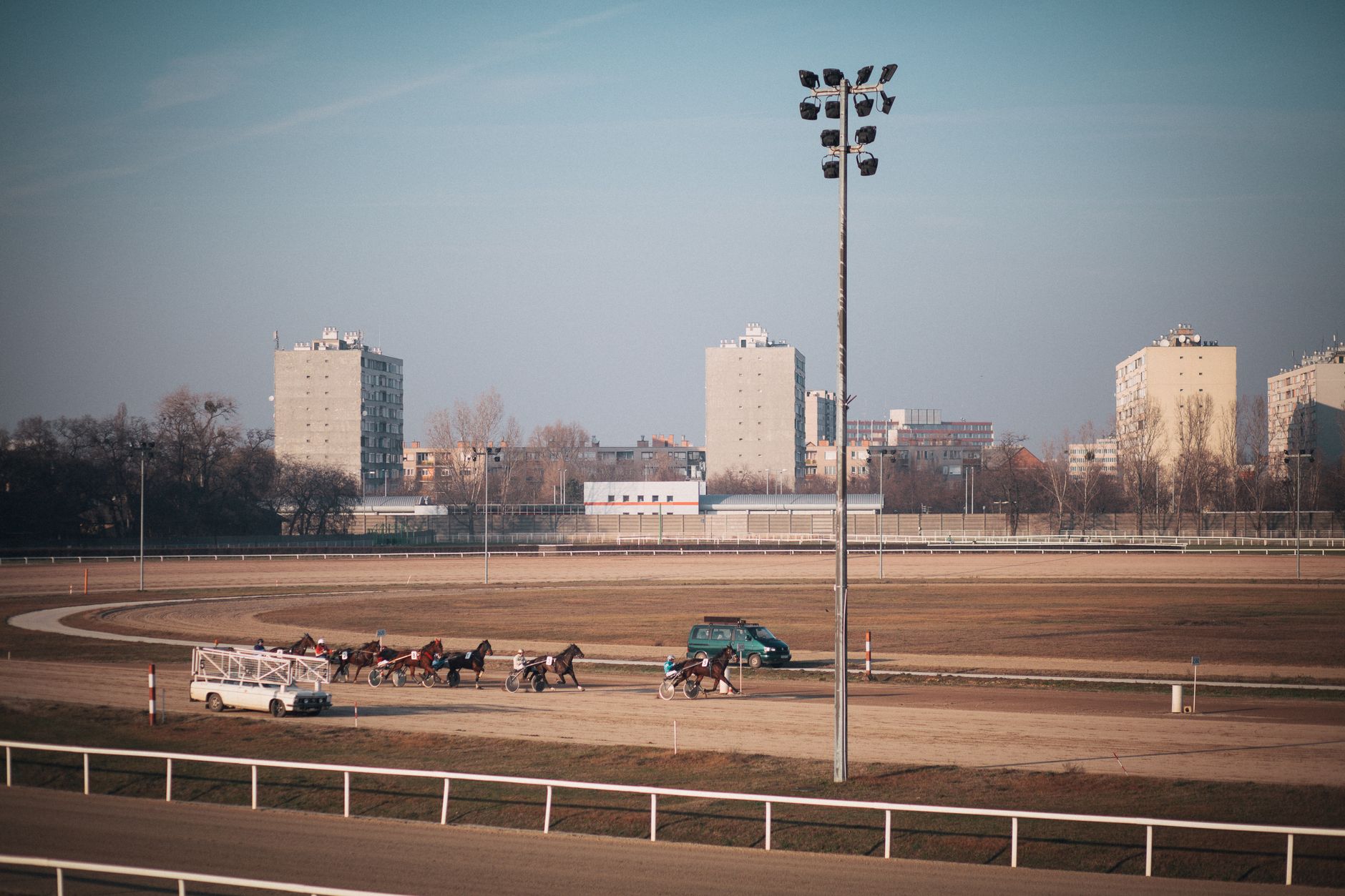
On Thursday, bulldozers rolled into the Delhi Race Club and began tearing down a series of historic structures that had defined the century‑old horse‑racing venue. The demolition came shortly after the central government took formal possession of the club’s 53‑acre premises, effectively halting all racing activities at the site, PTI reported.
Legal battle and eviction order
The demolition followed a Patiala House Court order issued on Tuesday that dismissed the club’s plea for an interim stay on an eviction notice dated August 11. The eviction order had been issued by an estate officer under the Public Premises (Eviction of Unauthorised Occupants) Act.
The dispute traces back to March, when the Land and Development Office sent a notice directing the club to vacate government‑owned land within 15 days, citing a need for public purposes. The club challenged that notice before the Delhi High Court. On May 26, a division bench of the High Court set aside an earlier interim order that had stayed the show‑cause proceedings, thereby allowing the eviction process to move forward.
On August 11, the estate officer directed the club to vacate the 53.24‑acre site within another 15‑day period, asserting that the club’s lease, originally executed on March 8, 1926, had expired on December 31, 1994, and had not been renewed. The Centre argued that the lease was temporary and had been extended only periodically until the 1994 expiry, meaning the club had been occupying government land without authorization since January 1, 1995.
The club’s principal appeal against the eviction order is slated for final disposal on September 26, while the authorities have given the club until September 14 to resolve outstanding matters.
Demolition of historic racing facilities
Among the structures brought down were the stables, the bookmakers’ ring, the winning post, a photofinish camera and the saddling enclosure – all central to the club’s racing operations. A club official told PTI that the stables, which had been renovated in the 1940s, were specifically designed to protect horses from Delhi’s harsh summers while ensuring adequate ventilation.
“This place was built very meticulously to shield the horses from the heat and keep the stables ventilated,” the official said, emphasizing the architectural care that had gone into the facility.
A source associated with the club described the scene as “a deeply disturbing sight for anyone who has been associated with the club and racing.” The sentiment reflects the emotional weight carried by members of the racing community, many of whom have long regarded the venue as a heritage site.
Fate of the horses
At the time of the demolition, the Delhi Race Club housed more than 250 horses. Approximately 200 of those animals have already been reclaimed by their owners, while roughly 50 remain on the premises. The club official indicated that the remaining horses would be dispatched to their owners within the next one to two weeks.
The thoroughbreds at the club are valued between Rs 3 lakh and Rs 50 lakh, depending on pedigree and racing record, making them some of the country’s most prized racehorses. Sources cited by PTI noted that horse floats have been regularly leaving the racecourse, transporting the animals to racing centres across India.
“We have been given time till September 14 to sort everything out. We are planning to send the remaining horses to their owners in the next one or two weeks,” the official added, underscoring the urgency of relocating the remaining equine stock.
The demolition not only marks the physical dismantling of the club’s infrastructure but also signals an abrupt end to organized horse‑racing activities at the historic venue. With the legal appeal pending and the club’s assets being dispersed, the future of organized racing at the location remains uncertain.
Stakeholders across the Indian racing community are watching the outcome of the September 26 appeal closely, as the decision will determine whether any part of the club’s legacy can be preserved or revived elsewhere.



Be First to Comment