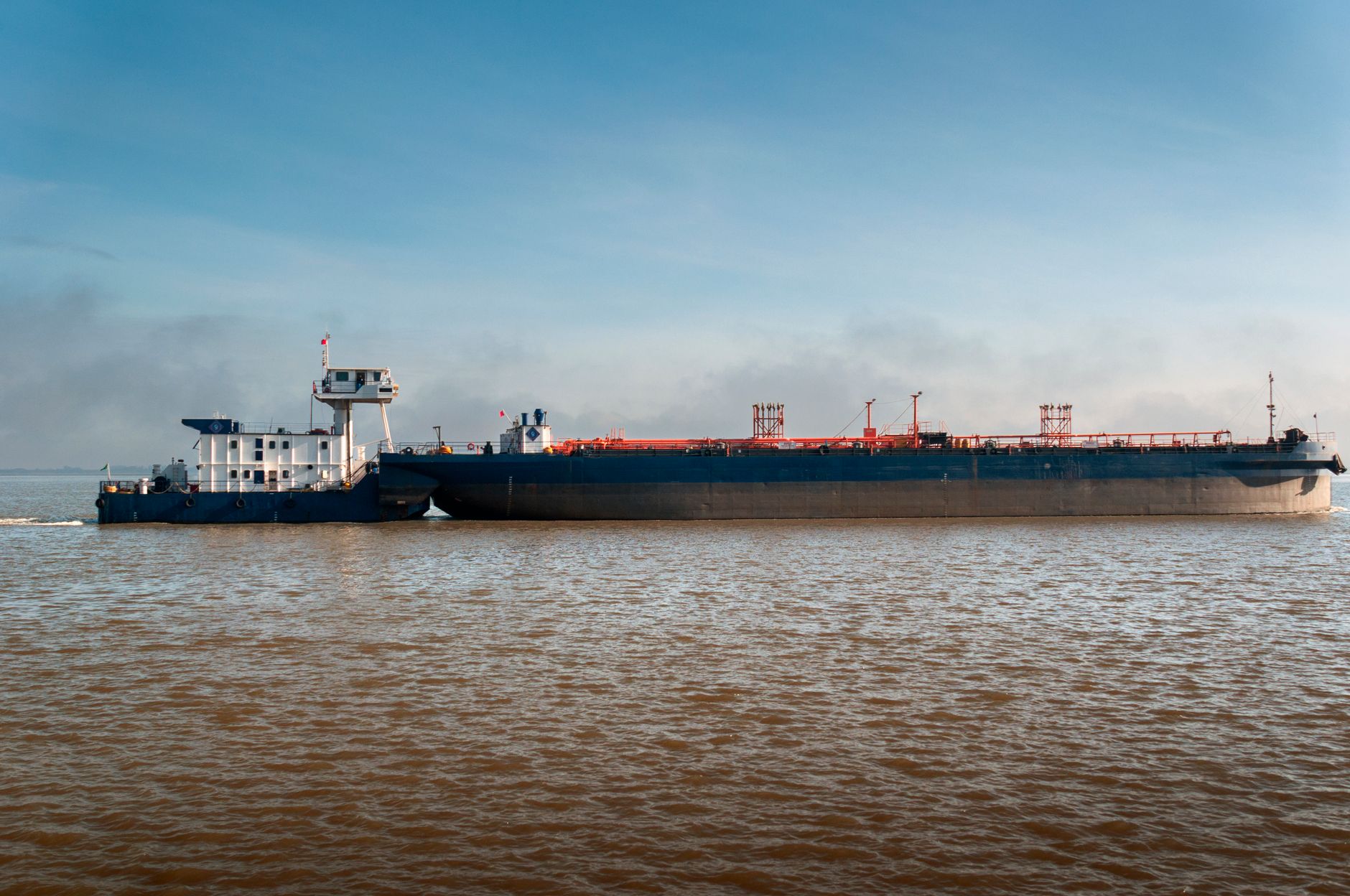
India has emerged as a principal source of gasoline for Russia, delivering close to one million barrels over the last two months as Moscow seeks overseas supplies to offset a sharp domestic shortfall. Energy‑analytics firm Vortexa reported that Russia’s seaborne gasoline imports reached a record 125,000 barrels per day in August, equivalent to roughly 470,000 tonnes for the month.
India’s expanding role as a gasoline exporter
During August, India was one of only three nations – alongside Turkey and Morocco – that shipped gasoline to Russia. The bulk of the shipments originated from the Vadinar refinery in Gujarat, operated by Nayara Energy, a facility that is half‑owned by Russia’s state oil company Rosneft. This partnership has facilitated the flow of refined fuel from Indian refineries back to the Russian market.
India’s increased involvement in the Russian fuel market aligns with a broader rise in its purchases of Russian crude oil. In June and July, India imported more than 2.6 million barrels per day of Russian crude, a steep increase from the roughly 1 million barrels per day it bought in February. During that period, Russian crude accounted for over half of India’s total crude imports, suggesting that a portion of the gasoline shipped to Russia may have been refined from Russian crude at Indian facilities.
Vortexa’s data indicate that about 55 percent of Russia’s gasoline imports in August – roughly 260,000 tonnes – arrived on vessels listed under sanctioned tonnage. The firm added that all India‑origin gasoline cargoes imported by Russia in August were carried on sanctioned fleets and involved “dark” ship‑to‑ship (STS) transfers in the Mediterranean Sea. Overall, around 40 percent of Russia’s total gasoline imports that month were moved through STS operations, most of which were conducted in darkness, with vessels disabling their automatic identification system (AIS) signals to avoid detection.
Ukrainian drone attacks cripple Russian refinery output
The surge in gasoline imports follows a series of Ukrainian drone strikes that have repeatedly hit Russian refineries. Vortexa recorded 32 attacks on Russian refining facilities during July and August, averaging roughly one strike every other day. The attacks have caused domestic gasoline production to fall by as much as 70 percent, severely limiting Russia’s ability to meet internal demand.
Faced with a dwindling domestic supply, Moscow – traditionally one of the world’s largest crude exporters – has turned to imports to keep its own market supplied, even as it continues to impose strict controls on fuel sales. In July, the Russian government extended a full gasoline export ban for both producers and non‑producers through January 2027. A separate ban on diesel exports was also prolonged, now set to remain in place until September 1, 2026.
Despite the export restrictions, Russia’s seaborne diesel and gasoil shipments remained around 150,000 barrels per day through August 25, a level unchanged from the previous month but dramatically lower than historical norms. The volume was 610,000 barrels per day below the same period a year earlier and 81 percent beneath the five‑year seasonal average, underscoring the depth of the supply shock.
Implications for global energy markets
Analysts at Vortexa expect Russia to continue importing gasoline in the near term, citing the country’s historically lower gasoline‑to‑diesel production yields. The reliance on sanctioned vessels and covert STS transfers highlights the complexities introduced by international sanctions and the ongoing conflict in Ukraine.
India’s role as a gasoline supplier to Russia reflects a broader shift in global energy trade patterns, where traditional oil‑exporting nations are adapting to new geopolitical realities. By leveraging its refining capacity and existing ties with Russian oil firms, India has positioned itself as a critical conduit for fuel that Russia can no longer produce domestically.
The situation also raises questions about the durability of such arrangements. While India’s imports of Russian crude have surged, the extent to which the country will continue to process and re‑export refined products to a sanctioned market remains uncertain, especially as international pressure on sanctioned shipping routes intensifies.
For now, the partnership appears to be driven by immediate necessity: Russia needs to fill a domestic gasoline gap caused by infrastructure attacks, and India has the refining capacity and existing corporate links to supply the product. As the conflict in Ukraine persists and sanctions remain in place, the dynamics of this energy exchange are likely to evolve, potentially reshaping supply chains and influencing price movements across both the Asian and European markets.






Be First to Comment