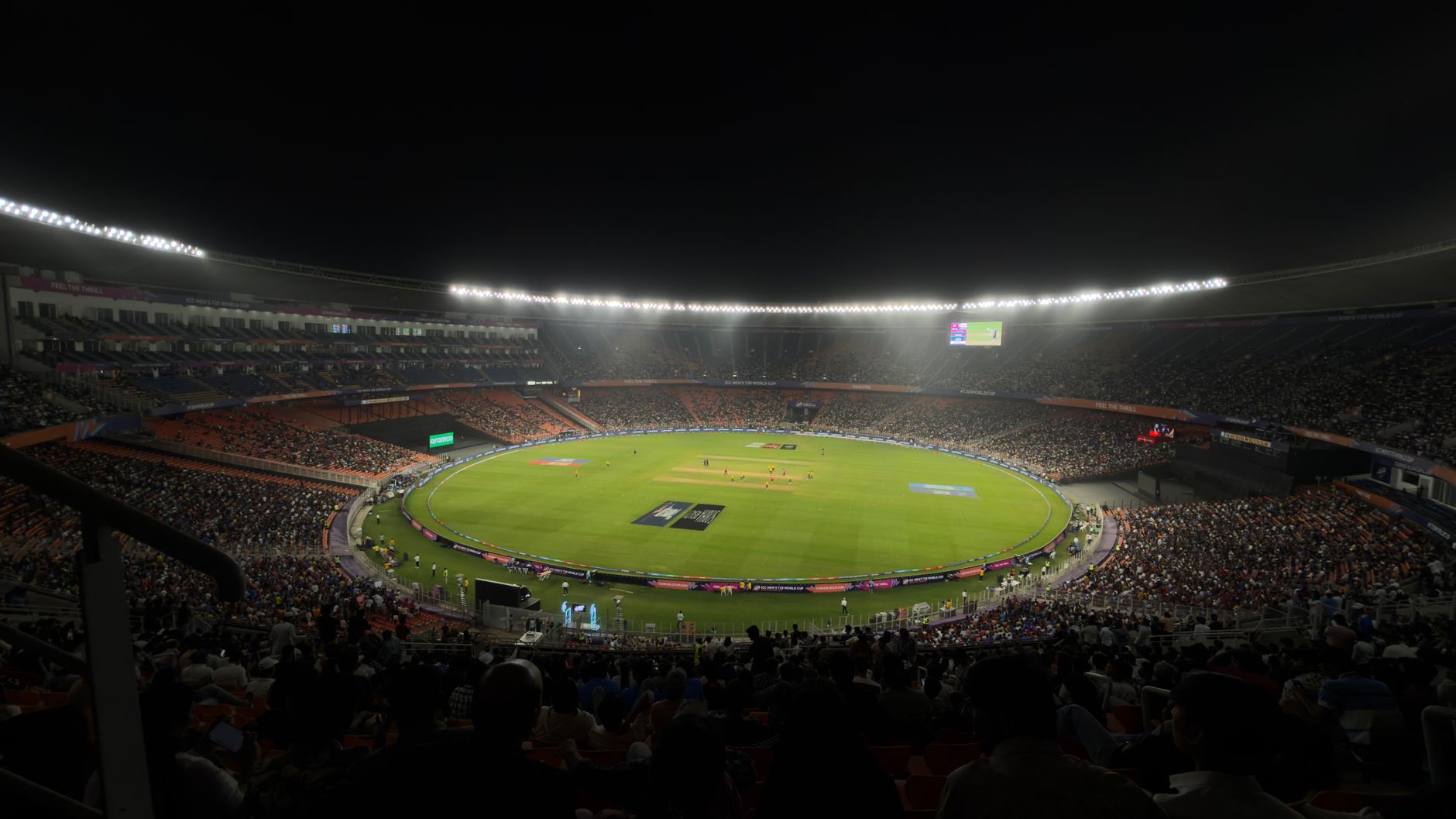
The Board of Control for Cricket in India (BCCI) is under growing pressure as the deadline for the next Indian Premier League (IPL) media‑rights tender approaches. Roughly six months remain before the final IPL edition of the 2023‑27 rights cycle commences, and key stakeholders say the absence of a credible competitor to JioStar threatens an accurate valuation of the league’s worth.
Stakeholder Concerns Over a One‑Bid Market
Uday Shankar, a media entrepreneur who serves as vice‑chairman of JioStar, voiced the industry’s unease at the recent ET World Leaders Forum. He recalled a time a decade ago when “four or more companies genuinely fighting for properties” competed for major sports rights. Today, Shankar argued, “it feels as if we are the only ones standing. And that’s not healthy.”
According to Shankar, the cost of acquiring IPL rights has risen dramatically, yet the ability of broadcasters and platforms to monetise those rights has not kept pace. He warned that while the value of sports content is “enormous,” a sustainable ecosystem requires the rights holder, broadcaster, and platform to work together.
The concern is that without a competitive bidding process, the market will lack the tension that has historically driven IPL media‑rights values upward for a decade. Industry observers fear that a single‑bid scenario could lead to an undervalued deal, limiting revenue that could otherwise support the sport’s growth.
Potential New Entrants From the Global Streaming Landscape
Across the western media environment, platforms such as YouTube and Netflix have been expanding their involvement in live sport. YouTube, for instance, has shifted toward treating sport as a cornerstone of a broader pay‑TV and subscription ecosystem. Its seven‑year exclusive U.S. distribution deal for NFL Sunday Ticket—reported at $2 billion per season—serves both as a value‑add for YouTube TV subscribers and as a standalone product sold through YouTube channels.
While average revenue per user in Western markets differs markedly from that in the Indian subcontinent, the IPL remains the only property in the region that could attract a player of YouTube’s scale. Netflix co‑CEO Ted Sarandos recently told The Economic Times that the streaming giant is interested in live sport, including cricket, but does not intend to become a “conventional full‑season sports broadcaster.”
Shankar noted that the IPL’s storytelling potential aligns well with Netflix’s content strategy. The league reaches a “billion‑plus domestic audience,” a widespread diaspora, and markets where cricket functions as a form of soft power. However, he stressed that “the economics have to make sense,” implying that any new entrant would need a clear financial case before committing.
BCCI’s Need for a Robust Marketing Strategy
JioStar is widely expected to submit a strong bid, leveraging its large subscription base that is heavily tied to cricket consumption. What remains puzzling, according to industry commentary, is the BCCI’s difficulty in drawing additional participants to the table.
Experts argue that the federation must adopt a genuine marketing approach that showcases the IPL to a “dozens of media, technology and streaming platforms worldwide.” Without such outreach, the board risks relying solely on JioStar—its de‑facto Plan A—while leaving the question of a viable Plan B or Plan C unanswered.
The IPL is described as India’s most prized prime‑time asset. Assuming that a media player operating several time zones away can fully grasp the Indian story without direct input from local rights‑holders is, at best, optimistic. The onus therefore lies with the BCCI to articulate the league’s value proposition in a way that resonates with both domestic and international bidders.
As the tender deadline draws near, the cricketing world will watch closely to see whether the board can broaden the competitive field or whether the IPL’s next media‑rights cycle will proceed with a single dominant bidder, potentially reshaping the financial dynamics that have underpinned the league’s success for the past ten years.



Be First to Comment