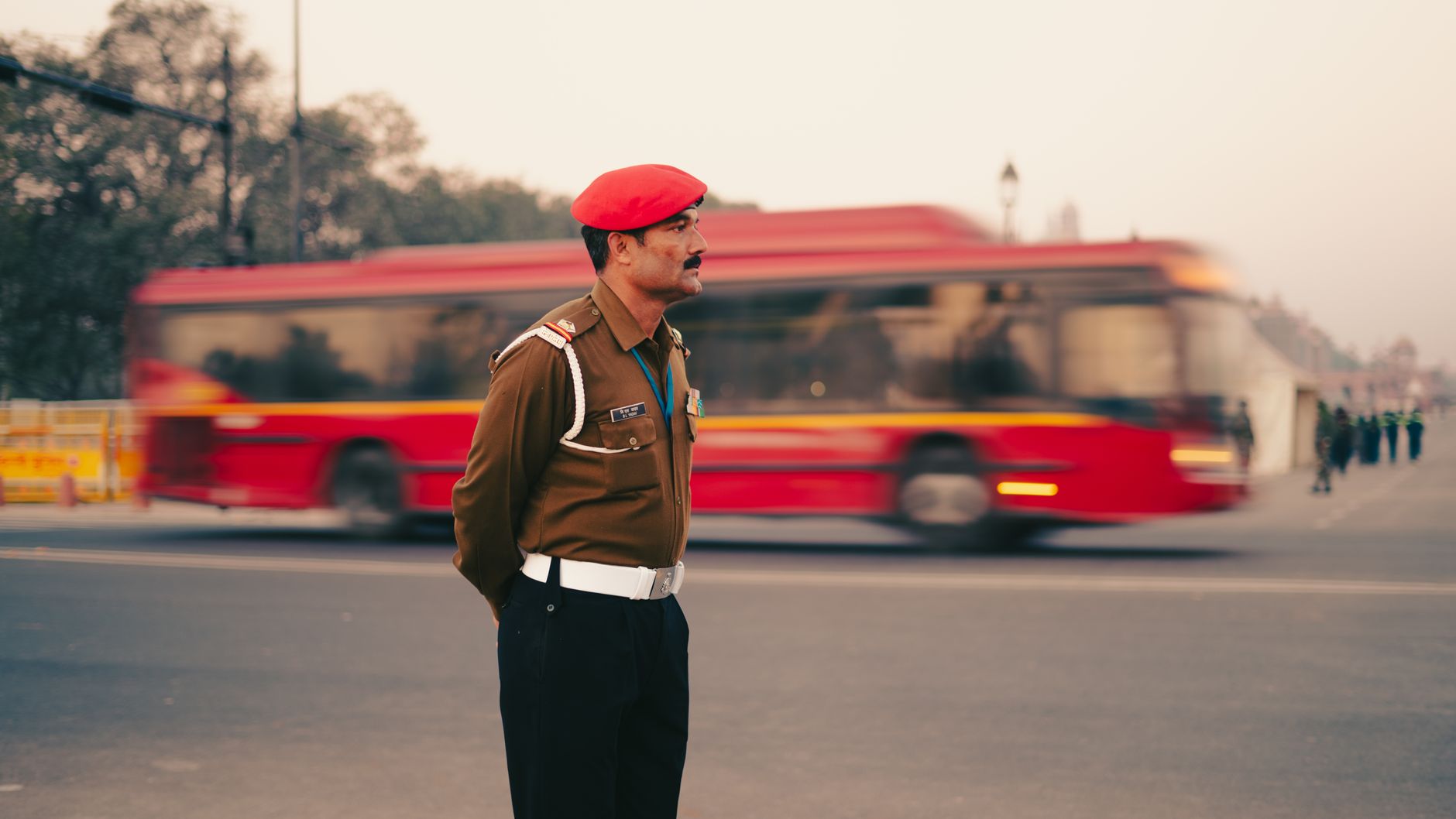
On September 1, 2026, the Delhi Traffic Police released a comprehensive advisory alerting residents and visitors to expect significant road changes across the capital. The notice, posted on the department’s official X account, detailed a four‑hour window—from 11:00 a.m. to 3:00 p.m.—during which traffic on a series of high‑security corridors will be redirected to accommodate a full‑scale motorcade rehearsal ahead of the BRICS Summit scheduled for later in the year.
Scope of the restrictions
The advisory enumerated more than thirty arterial routes that will be subject to regulated movement. Among the primary VVIP lanes are Sardar Patel Marg, Mother Teresa Crescent, Teen Murti Marg, Akbar Road, Tees January Marg, Rajesh Pilot Marg, Subramaniam Bharti Marg, Mathura Road, Moti Lal Nehru Marg, Dr. Zakir Hussain Marg, Brig. Hoshiyar Singh Marg and Africa Avenue Road. Additional thoroughfares such as Satya Marg, Shanti Path, Janpath, Ashoka Road, Barakhamba Road, Tolstoy Marg, Ranjeet Singh Flyover, Niti Marg, Panchsheel Marg, Kemal Attaturk Marg, APJ Abdul Kalam Road, Press Enclave Road, Lal Bahadur Shastri Marg, Josef Broz Tito Marg and Lala Lajpat Rai Marg will also see traffic regulation.
These corridors form the backbone of Delhi’s diplomatic and governmental precincts, and the police indicated that movement will be tightly controlled to ensure the safety of the VVIP convoy. The advisory stressed that any non‑essential commercial vehicle attempting to enter the city during the specified period will be barred, reinforcing the emphasis on security.
Impact on commuters and public transport
To mitigate disruption, the traffic police urged commuters to plan journeys well in advance, allocate extra travel time and prioritize public transportation, especially the Delhi Metro. The Metro system will continue to run on its regular schedule across all stations, with no anticipated interruptions, according to the advisory. In contrast, bus routes that intersect the designated corridors may experience temporary diversions, and passengers are advised to check real‑time updates on official traffic portals.
Private hire vehicles, including taxis and auto‑rickshaws, are expected to follow the same diversion protocols. The police also imposed a blanket prohibition on roadside parking for these vehicles within 200 metres of the controlled roads, limiting parking strictly to authorized lots. This measure aims to keep the thoroughfares clear for the motorcade and emergency responders.
Priority for emergency and essential services
Authorities assured that medical, fire and other emergency services will receive unhindered passage throughout the rehearsal period. Vehicles delivering essential utilities and supplies will likewise retain uninterrupted access across all zones. The police emphasized that any obstruction to these services will not be tolerated, and traffic personnel on the ground will facilitate swift movement for such vehicles.
In addition to the logistical guidelines, the advisory called on the public to stay vigilant and report any suspicious activity or unidentified objects to the nearest police officer. Real‑time traffic information will be disseminated via the Delhi Police’s official social media channels and dedicated traffic portals, enabling commuters to make informed decisions as conditions evolve.
Overall, the traffic advisory reflects the city’s effort to balance security imperatives with the daily mobility needs of its residents. By urging the use of mass transit, enforcing strict parking bans, and granting priority to emergency responders, Delhi’s authorities aim to minimise inconvenience while preparing the capital for the high‑profile BRICS summit motorcade.



Be First to Comment