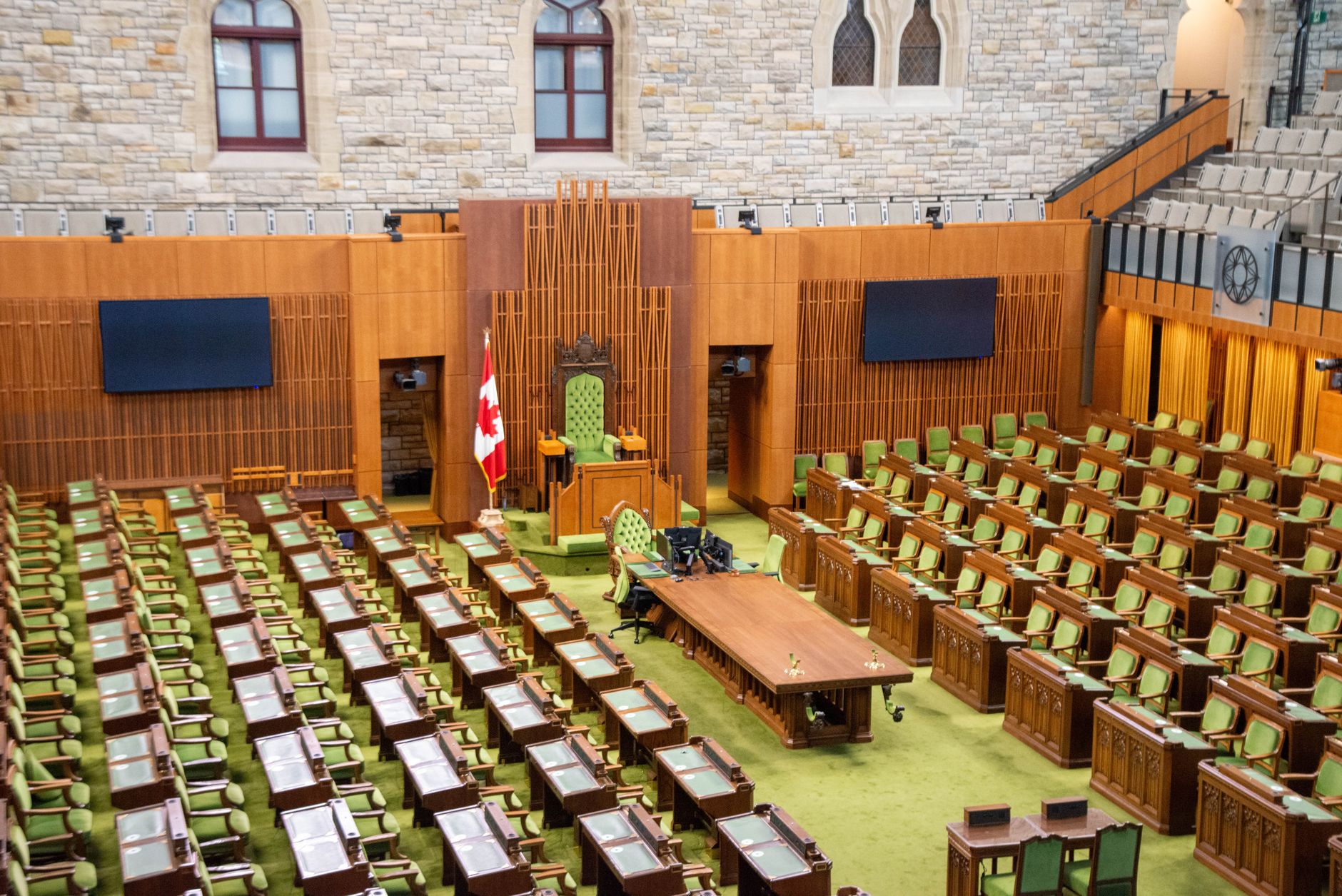
Kohima – The Frontier Nagaland Territorial Authority (FNTA) Bill, in a revised form, is slated to re‑enter the Nagaland Legislative Assembly (NLA) on September 1, marking the start of the ninth session of the 14th Assembly. Chief Minister Neiphiu Rio has publicly expressed confidence that the legislation will be passed on September 3, after a brief two‑day session that includes a recess on September 2.
According to the provisional programme of business issued by the NLA Secretariat, the first day of the session will open with obituary references, followed by a series of questions, a report on assent to existing Bills, and the introduction of new government Bills. The agenda also lists the consideration of government resolutions, statements by ministers under Rule 55, presentation of annual administrative reports, rules and regulations, and committee reports. Matters of urgent public importance, if any, will also be taken up.
On September 3, the House will again entertain questions, introduce additional government Bills, and present reports from the Comptroller and Auditor General. The day’s schedule emphasizes the consideration and passage of government Bills, adoption of resolutions, discussion of urgent public matters, and the resolution of unfinished business before the session is adjourned sine die.
Legislative timeline and content of the revised FNTA Bill
The revised FNTA Bill seeks to operationalise an agreement signed on February 5, 2026, between the Government of India, the Government of Nagaland and the Eastern Nagaland Peoples’ Organisation (ENPO). The agreement envisions the creation of a Frontier Nagaland Territorial Authority, an entity intended to address long‑standing political and developmental concerns in the eastern districts of the state.
Earlier attempts to pass the Bill were deferred after the Ministry of Home Affairs requested additional time to examine proposals that would confer legislative powers on the FNTA. In response, the state government obtained a legal opinion and engaged in extensive consultations with ENPO representatives and legislators from Eastern Nagaland. The revised proposal incorporates feedback from those discussions, and ENPO officials have indicated agreement with the updated points. Following the consensus, the matter was communicated back to the Ministry of Home Affairs for further review.
Chief Minister Rio reiterated his expectation that the revised Bill will be tabled on the first day of the session and that it will be passed on September 3. The Chief Minister’s optimism reflects confidence that the legal and constitutional concerns raised earlier have been sufficiently addressed through the revised arrangement.
In addition to the core provisions of the FNTA Bill, the upcoming session is expected to address issues related to the Foreign Contribution (Regulation) Act (FCRA). While the source does not elaborate on the specifics, the inclusion of FCRA matters in the agenda indicates that the legislature will consider the regulatory framework governing foreign funding, a topic that often intersects with regional development initiatives.
Student federation plans peaceful protest over Vande Mataram
Parallel to the legislative proceedings, the Naga Students’ Federation (NSF) has announced a peaceful demonstration scheduled for September 1. The NSF’s mobilisation notice calls for each of its federating units and subordinate bodies to nominate ten volunteers, resulting in a coordinated group that will assemble at the NSF office in Oking at 7:30 a.m. The volunteers will then march in solidarity toward the NLA Junction at the Secretariat.
The protest seeks a strong resolution from the Assembly against what the NSF describes as the compulsory imposition of the revised version of the national song “Vande Mataram” in government programmes and official functions. The federation frames the demand as a defence of freedom of conscience, religious liberty, constitutional safeguards, and the peaceful coexistence of communities in Nagaland.
In its notice, the NSF emphasizes that the demonstration will remain peaceful, disciplined, and democratic. It urges all federating units and subordinate bodies to ensure timely mobilisation and participation, presenting the march as a collective voice of the Naga people on issues of cultural and constitutional significance.
The timing of the NSF’s protest, coinciding with the re‑introduction of the FNTA Bill, adds a layer of public attention to the legislative session. While the Bill itself focuses on the creation of a territorial authority, the student federation’s agenda highlights broader concerns about cultural symbols and the protection of individual rights within government‑led initiatives.
Observers will watch both the passage of the FNTA Bill and the NSF’s demonstration as indicators of how the state balances development objectives with constitutional and cultural considerations. The outcome of the September 3 vote on the Bill, together with any resolution adopted on the Vande Mataram issue, will shape the political landscape in Nagaland for the remainder of the year.





Be First to Comment