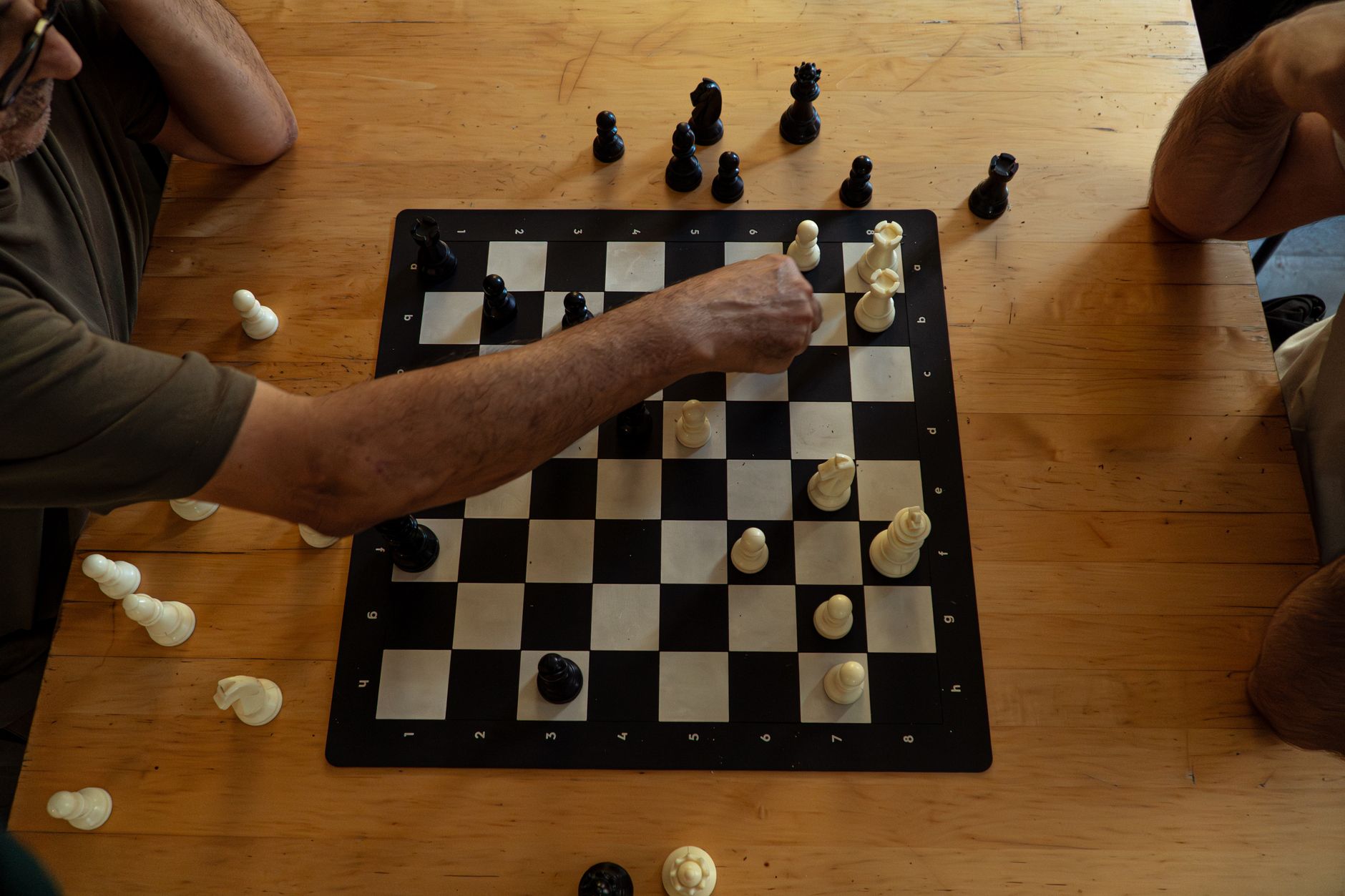
Viswanathan Anand, the Chennai‑born grandmaster who has been a central figure in Indian chess for decades, assumed the role of interim president of the World Chess Federation (FIDE) on July 24, 2026. His appointment followed the voluntary withdrawal of Arkady Dvorkovich, who stepped back amid European Union and Swiss sanctions. Anand’s interim term is set to conclude with the scheduled FIDE presidential election on September 26, after which a permanent president will be chosen.
From Deputy to Head of the Federation
At 56 years old, Anand reflected on the shift in responsibilities during an exclusive interview with Times of India. He described the new position as “more work than being deputy president,” noting that, as deputy, he would only act when Dvorkovich was unavailable. Now, he must oversee the federation’s day‑to‑day operations, a task he has been managing largely from India.
Despite the added workload, Anand said his travel schedule has actually decreased. “I’ve travelled less,” he explained, adding that pre‑planned commitments have limited his need for extensive trips. Instead, he has been participating in “many, many more meetings, quite often, very long Zoom meetings with lots of people from all over the world” to discuss FIDE matters.
He described a recent peak in the intensity of these meetings, noting that the agenda is now largely set for the General Assembly in Samarkand, scheduled for the end of the year. In the days following that peak, he observed a slight easing of the schedule.
Returning to Competitive Play
While overseeing the sport’s governing body, Anand has also confirmed his continued involvement as a player in the Global Chess League (GCL) for the 2026 season. He will compete with the Alaskan Knights, a new team for him after three seasons with the Ganges Grandmasters. The former world champion emphasized that his “hunger for the GCL trophy is still there” and expressed a strong desire to help his new squad reach the final.
Speaking about the nature of the league, Anand said, “It doesn’t matter what you did in your career. If you’re playing this tournament, then you enjoy it, and you try to play.” He described the GCL as a “new kind of experience” that differs from the traditional events he used to play, offering a ten‑day to two‑week stretch of intense competition that he looks forward to.
Although the Alaskan Knights represent a fresh roster, Anand noted that familiar faces will be present. He recalled playing alongside Arjun two years ago, when the latter was also a teammate. Anand expects that meeting his teammates on the first day will help the group settle quickly, saying, “I think once I go there and meet my teammates, on the first day itself, it’ll feel normal.”
Balancing Administration, Family and Chess
Anand stressed that he maintains a personal routine that separates his administrative duties from his preparation for matches. He clarified that he does not intend to hold prolonged FIDE meetings while on the board, reserving extended discussions for genuine emergencies. “If there’s some FIDE emergency, I might take a decision quickly, but otherwise I don’t expect to have long meetings while I’m there,” he said.
His approach to daily preparation remains straightforward: he knows who he will face the next day and readies himself accordingly. This pragmatic mindset, he believes, allows him to stay focused on the GCL despite the concurrent responsibilities of running the federation.
The upcoming GCL competition is slated for September 5‑13 in Bengaluru. Anand asserted that the level of play will be “as competitive as anywhere else,” noting that while some openings may appear less serious, they are often adaptations to the faster time controls and the pressure of supporting teammates. He concluded that once the distinct atmosphere of a team event is taken into account, the competition is “just as competitive as they are anywhere else.”
As the interim presidency draws to a close, Anand’s dual role underscores a rare convergence of high‑level sports administration and active competition. His statements suggest that, even amid “very long meetings,” his passion for the 64‑square board remains undiminished, and he looks forward to contributing both on and off the chessboard before the September 26 election determines the next permanent FIDE leader.





Be First to Comment