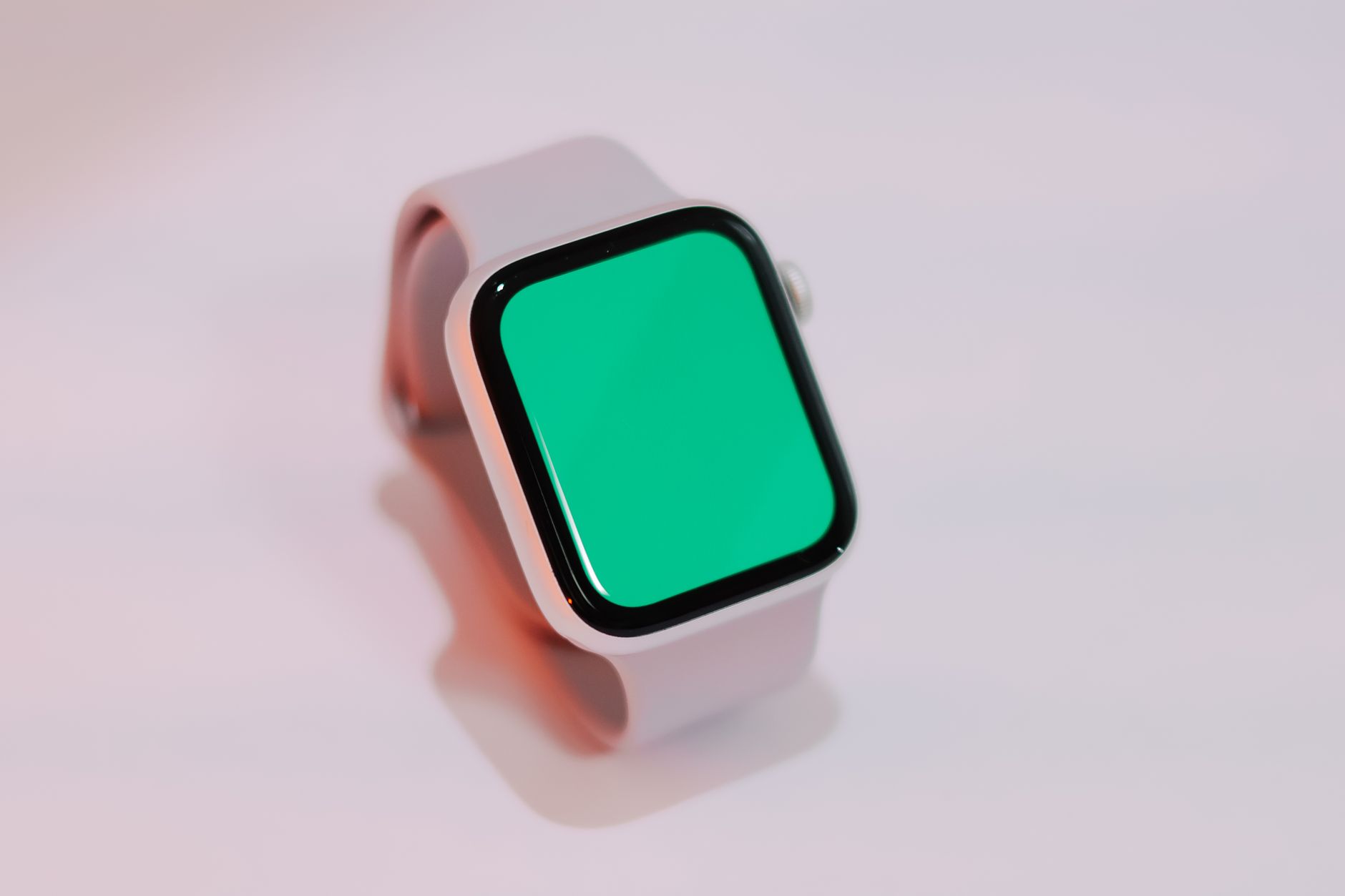
Apple announced the Series 12 version of its flagship smartwatch on September 9, positioning it as the first watch capable of replaying spoken words and summarising conversations. The device launches at a base price of $399, with pre‑orders already open in the United States and more than 50 additional markets. Apple plans to ship the watch to stores on Friday, September 18.
The Series 12 is built around Apple’s new S11 chip, which incorporates a Secure Enclave‑type hardware compartment called the Secure Exclave. This component is designed to process audio locally and delete it immediately, a claim Apple highlights to address privacy concerns. The watch also introduces a Health Sensing System that measures heart rate every five seconds and heart‑rate variability as often as every five minutes, feeding the data into a new “readiness” score ranging from zero to ten.
Audio Intelligence and Privacy Measures
Apple bundles four new capabilities under the banner “Audio Intelligence.” The first, Live Rewind, lets users double‑press the Digital Crown to view a text transcription of the previous 15 seconds of conversation. The second, Siri Recap, creates a concise summary—not a full transcript—of a dialogue and stores it in the Siri app for later reference. A third feature, Sound Recognition, alerts users who are deaf or hard of hearing to environmental sounds such as sirens, alarms, doorbells or a crying baby, and it works even when an iPhone is not nearby. The fourth addition is a faster Shazam‑style music identifier that appears in the Smart Stack.
These audio features will initially launch in beta in late 2026, beginning with English language support and excluding the European Union. They also require an iPhone that supports Apple Intelligence, specifically iPhone 16 or later, though the iPhone 16e model is excluded. Apple notes that the services are subject to daily usage limits on its servers, a detail previously reported in coverage of iOS 27.
To mitigate privacy worries, Apple says the Secure Exclave processes raw audio in isolation and then erases it, ensuring that no recordings are stored on the device or transmitted to Apple’s servers. The company emphasizes that the audio data is inaccessible to the operating system, third‑party apps, the user, or Apple itself. Each feature is opt‑in; Live Rewind, for example, emits a chime even when the watch is in silent mode and displays a full‑screen animation so nearby people know the function is active.
Apple further asserts that the system does not identify speakers and that Siri Recap deliberately omits financial details and government ID numbers. Summaries and snippets are synced to iCloud using end‑to‑end encryption. While Apple’s statements are detailed, the Secure Exclave has not yet been examined by independent security researchers, leaving the privacy claims unverified in practice.
Health Sensors, Ceramic Design and Battery Improvements
The Health Sensing System pairs new optical and electrical heart sensors with larger, more efficient green LEDs. Apple claims this combination delivers the most accurate wearable heart‑rate measurement it has ever produced, based on an internal study of more than 1,000 participants. The continuous heart‑rate data feeds a “readiness” score displayed on the watch face, while heart‑rate variability is reported at five‑minute intervals. Later in the year, Apple plans to expand the Health app with a Longevity tab and a “Health Age” metric.
Series 12 also marks the return of a ceramic watch case, offered in pearl white and night blue with a matching ceramic band closure. This is the first time Apple has released a ceramic case since the 2020 model, according to Engadget. The ceramic option joins the existing aluminum finishes—dark bronze, black, light gold, space gray—as well as radiant gold and natural titanium. Aluminum cases now feature Apple’s Ceramic Shield 2, which Apple says is 60 percent tougher than the Ion‑X glass used on Series 11.
Charging speed receives a noticeable boost: a 15‑minute charge now provides up to 12 hours of use, representing a 50 percent improvement over the previous generation. Apple did not announce a longer overall battery life, so the watch retains its all‑day rating. The device ships with watchOS 27, which drops support for the original Apple Watch Ultra and the second‑generation Apple Watch SE.
While the health sensors are functional from day one, the headline audio features will not be available until months after launch and will depend on owning a compatible iPhone. Prospective buyers must weigh the immediate health‑monitoring benefits against the delayed rollout of Live Rewind, Siri Recap and related capabilities.
Overall, the Apple Watch Series 12 expands the smartwatch’s role as a health companion while venturing into conversational capture and environmental sound awareness. Its mix of new hardware, privacy‑focused design, and a refreshed material palette aims to keep Apple’s wearable line competitive as the market for smart health devices continues to grow.




Be First to Comment