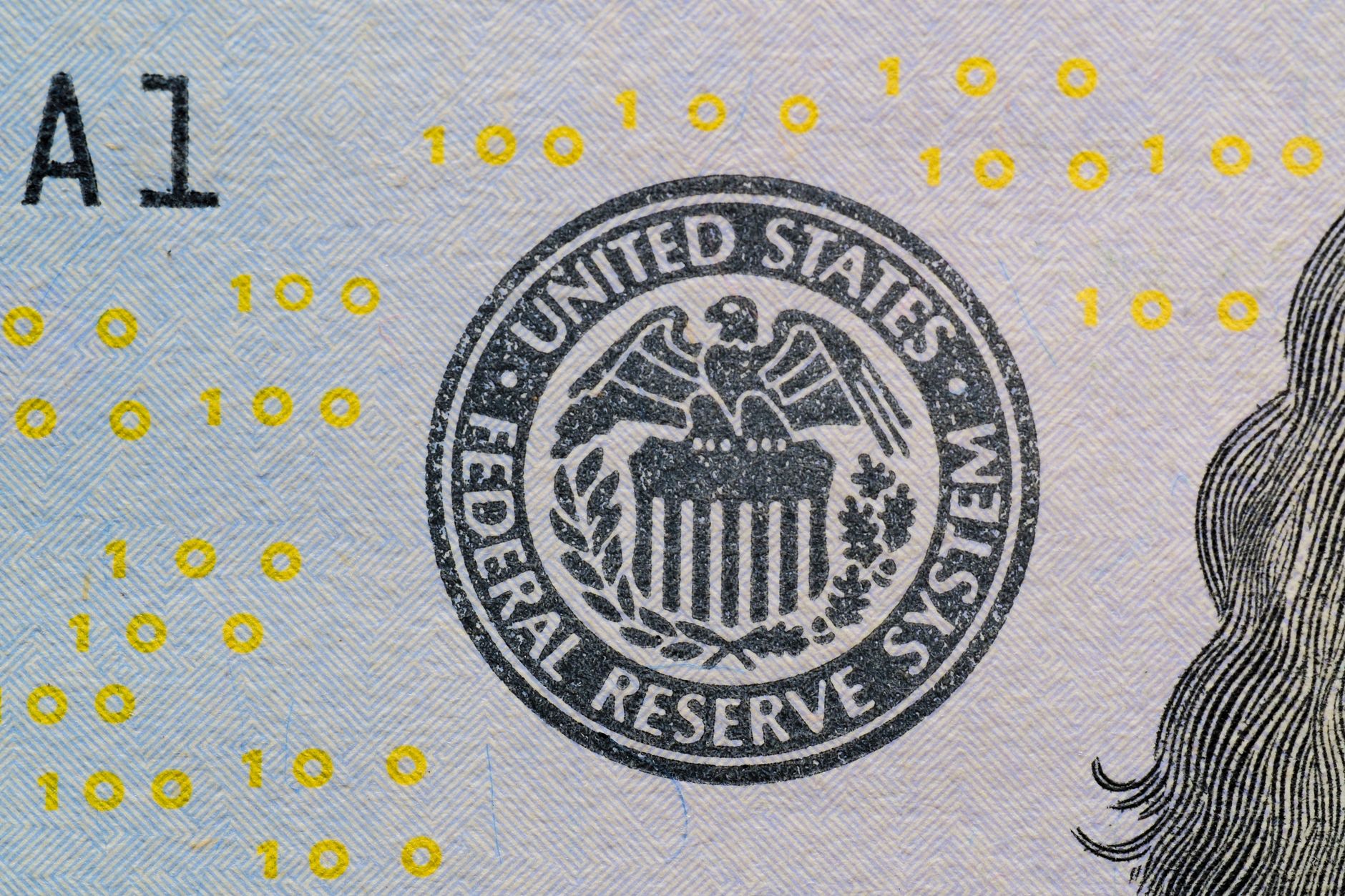
The United States Federal Reserve announced on Wednesday that it will raise its benchmark interest rate by a quarter of a percentage point, moving the target range to between 3.75 percent and 4 percent. The move marks the first rate hike in more than three years and comes as inflation, amplified by soaring fuel prices linked to the ongoing US‑Iran conflict, continues to strain the economy.
Fed’s rationale and outlook
In a formal statement, the Fed said that “economic activity is expanding at a solid pace” while acknowledging that “uncertainty remains elevated owing, in part, to geopolitical developments.” The statement added that domestic spending has stayed resilient despite those headwinds. At the same time, the central bank noted that “inflation remains elevated” and that the policy action is intended to “support a timelier return to the Committee’s 2 percent goal” and to deliver price stability.
Looking ahead, Fed officials project one additional rate increase before the end of the calendar year and anticipate that rates will remain unchanged throughout the following year, according to their quarterly projections.
Market expectations shifted sharply in the days preceding the decision. CME FedWatch, which gauges the probability of monetary‑policy moves, assigned a 92.3 percent chance that the Fed would raise rates to the 3.75‑4 percent band, up from a 40 percent chance of a quarter‑point increase just a week earlier.
Recent economic data driving the move
Several data points released in August reinforced the Fed’s inflation concerns. Consumer‑price inflation rose by 0.4 percent on a month‑over‑month basis—the strongest gain in four months—while the annual rate held steady at 3.4 percent, matching July’s increase. The labor market, meanwhile, remained robust, with unemployment described as “comfortable” by analysts.
Fuel prices have surged alongside the geopolitical tension. Brent crude hovered near $109 per barrel on Tuesday, and the American Automobile Association (AAA) reported that the average price for a gallon of gasoline climbed to $4.36, up 14 cents in the past week and higher than the $4.06 average recorded the month before. Diesel prices reached $6.31 per gallon, the highest average on record and roughly double the level a year earlier. Because diesel fuels the trucks that haul a wide range of goods—from produce to steel—such price spikes are expected to feed further inflationary pressure.
Bond markets also reflected the heightened inflation outlook. The benchmark 10‑year Treasury yield broke above the psychologically important 5 percent threshold on Tuesday, reaching 5.02 percent, the highest level in 19 years. The yield serves as a reference point for borrowing costs across the economy, influencing rates on mortgages, auto loans and corporate debt.
Expert commentary and political reaction
Michael Klein, a professor of international economic affairs at Tufts University’s Fletcher School and executive editor of the nonpartisan publication EconoFact, described the current environment as “unusual.” He noted that while unemployment remains at a comfortable level, “higher prices continue to stick, sending inflation beyond the Fed’s target of 2 percent.” Klein added that “there has been a lot of pressure on Chairman Warsh to raise interest rates because of inflation coming in high, and that has been compounded by concerns about Trump’s pressure.”
President Donald Trump responded on his Truth Social platform shortly after the Fed’s decision, arguing that “Interest Rates in the United States should be 1 percent, or less, because we are the Best Credit in the World — BY FAR. Our Country is BOOMING with new Investment!” He urged a rapid reduction in rates, but did not address Fed Chair Kevin Warsh by name.
When later questioned about his confidence in Warsh, Trump said he was “relying on Kevin” but characterized the board as “very tough” and suggested that “the interest rates are too high. They’re not appropriate.” He reiterated criticism of former Fed Chair Jerome Powell, whose tenure he has repeatedly attacked and for which a criminal probe was launched—a move Powell described at the time as a “pretext” to undermine the Fed’s independence.
The White House did not immediately respond to Al Jazeera’s request for comment on the rate increase.
Analysts such as Klein argue that higher rates typically dampen economic activity, but note that markets may have already priced in the Fed’s move, potentially limiting immediate disruption. The rise in Treasury yields, for example, could stabilize if investors accept the new policy stance as a foregone conclusion.
Overall, the Fed’s decision underscores a balancing act: curbing inflation without derailing the solid growth and employment trends that have characterized the recent U.S. economic cycle. As fuel prices remain volatile and geopolitical risks linger, policymakers and market participants will be watching closely for signs of how the higher‑rate environment influences consumer spending, corporate investment and the broader trajectory of price stability.






Be First to Comment