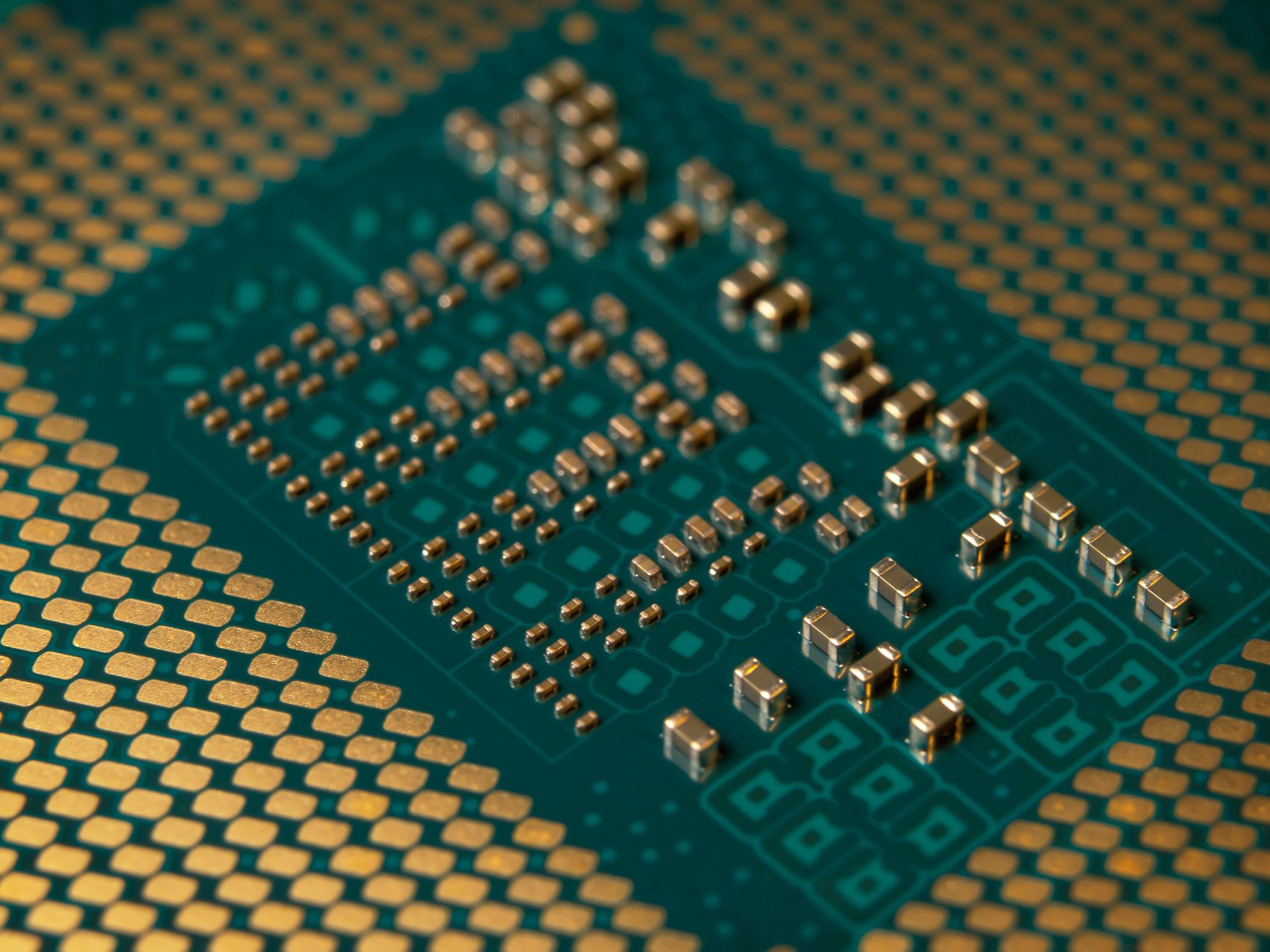
Prime Minister Narendra Modi inaugurated SEMICON India 2026 on Thursday, September 17, marking the start of a three‑day showcase of semiconductor technology and investment in the country. The event, which brings together more than 500 exhibitors from over 20 nations, prompted a noticeable rally in the shares of several Indian firms linked to chip design, fabrication, assembly, testing and related services.
SEMICON India 2026 draws global participation
The trade show is positioned as a focal point for discussions on semiconductor materials, chip design, advanced packaging, fabrication and broader electronics systems. Organisers expect the gathering to highlight India’s ambition to become a manufacturing hub within the global semiconductor supply chain, a sector that underpins modern economies ranging from consumer electronics to critical infrastructure.
According to the event’s description, more than 500 companies representing a wide array of technologies will exhibit, offering a platform for both domestic and foreign players to present next‑generation innovations. The agenda includes panels on investment strategies, capacity expansion, and the development of a domestic ecosystem that can reduce reliance on imported components.
Indian firms see stock gains amid semiconductor focus
Market activity on the morning of the inauguration reflected heightened investor interest. Syrma SGS Technology recorded the strongest rise, its shares climbing up to 9.7% to ₹1,658 on the National Stock Exchange (NSE). CG Power and Industrial Solutions added 2% to reach ₹868.40, while ASM Technologies traded 1.25% higher at ₹6,991.95 on the Bombay Stock Exchange (BSE).
Dixon Technologies (India) posted a 1.28% increase, closing at ₹13,350 on the NSE. Kaynes Technology experienced a 5% jump, ending the session at ₹3,551 per share. Tata‑related companies also moved modestly higher: Tata Technologies rose 0.49% to ₹752.10, Tata Elxsi added 0.47% to settle at ₹3,389, and Tejas Networks gained 1.28% to ₹521.40.
These movements come as several Tata Group entities—Tata Technologies, Tata Elxsi and Tejas Networks—are actively involved in chip fabrication, assembly and testing. CG Power and Kaynes Technology are expanding outsourced semiconductor assembly and testing (OSAT) capacities, while Dixon Technologies and Syrma SGS are scaling up electronics and component manufacturing. ASM Technologies and MosChip Technologies maintain exposure to semiconductor engineering, design and related services.
Analysts cited the event’s emphasis on investment across the semiconductor value chain as a catalyst for the stock upticks. The government’s push to fund activities from wafer fabrication to advanced packaging is expected to generate fresh project announcements, partnership deals and capacity upgrades, all of which investors will monitor closely.
Foreign investment signals confidence in India’s chip ambitions
Adding to the optimism, Japanese firm Fujifilm announced plans to establish a greenfield semiconductor materials manufacturing facility in India. The project, valued at roughly $83 million (about ₹800 crore), will be executed in two phases beginning in October 2026, with commercial production targeted for the fiscal year 2028.
Fujifilm described the venture as a “landmark investment” that aligns with industry growth and customer demand. By entering the Indian market, the company joins a growing list of foreign players seeking to tap the country’s emerging semiconductor ecosystem.
The combination of domestic policy support, visible corporate participation and new foreign capital underscores India’s strategic push to secure a place in the global semiconductor supply chain. As chips become ever more integral to devices ranging from smartphones and automobiles to medical ventilators and data‑centre servers, the sector’s relevance to both everyday life and critical infrastructure continues to rise.
Industry observers note that the semiconductor’s core material—silicon—must be refined to extreme purity before it can serve as the substrate for integrated circuits. These circuits, composed of billions of transistors, function as the processing and memory units that enable modern electronics to calculate, store and transmit data. The expanding role of semiconductors across sectors such as telecommunications, automotive, defense and artificial intelligence makes the development of a robust domestic supply chain a priority for policymakers.
With SEMICON India 2026 now underway, market participants will be watching for any announcements of new fabs, joint ventures or technology collaborations. Such developments could further reinforce the upward trajectory of semiconductor‑related equities and solidify India’s position as a key node in the worldwide chip ecosystem.






Be First to Comment