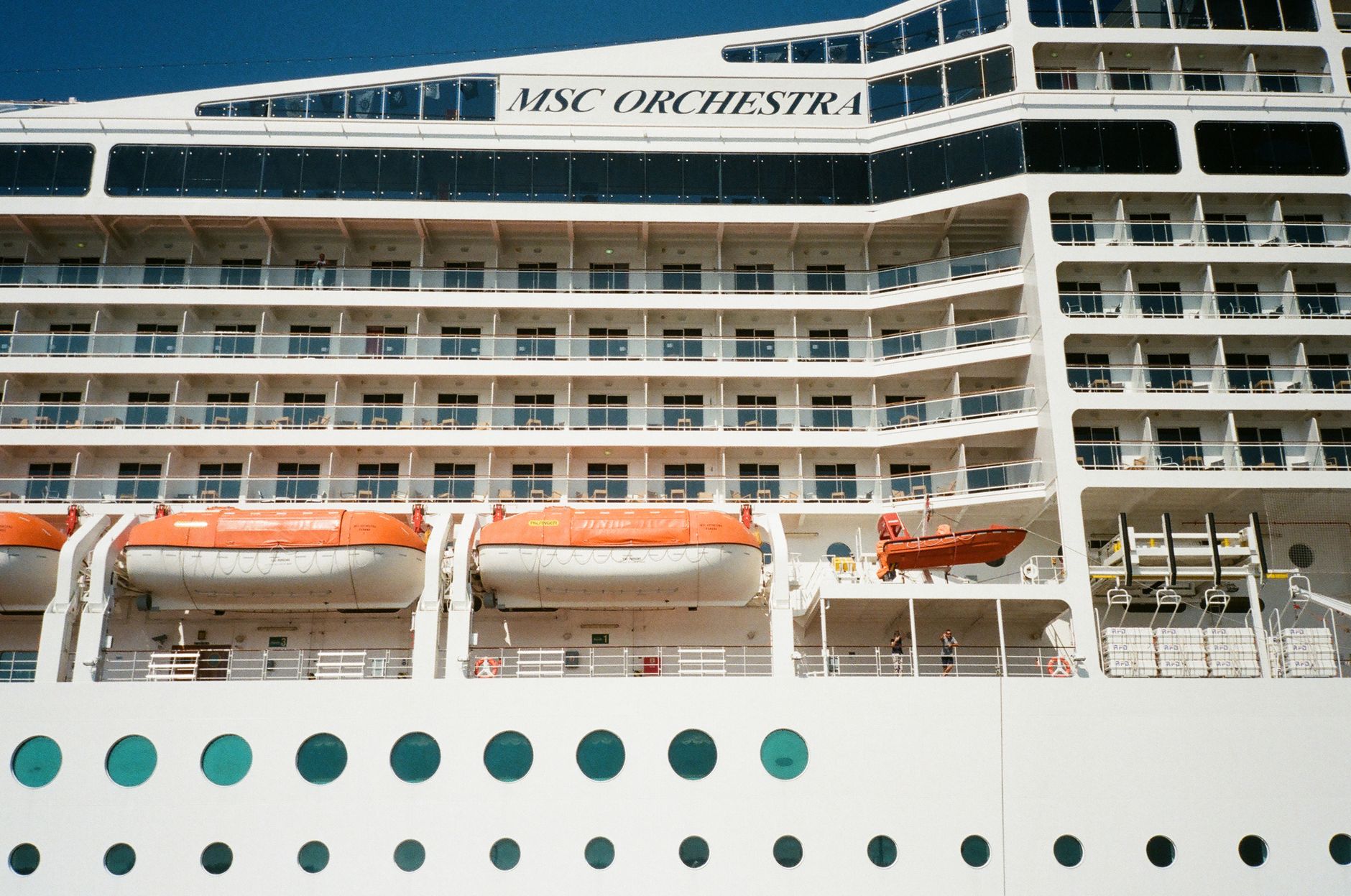
The Aichi‑Nagoya Asian Games open this weekend under a growing housing controversy. Organisers opted against building a dedicated Games village for the roughly 17,000 athletes and officials, instead relying on a mix of a cruise ship, temporary wooden cabins and city hotels. The stop‑gap plan has drawn sharp criticism from delegations that say the arrangements are inadequate for the scale of the event.
Why the crisis emerged
The official housing committee explained that the shortfall stems from an under‑estimation of participants. Initial calculations expected 15,000 athletes and officials, but the figure rose as new sports – such as mixed martial arts, padel, surfing, virtual taekwondo and teqball – were added to the programme. Hideaki Omura, chief organiser and governor of Aichi prefecture, told AFP that the committee is responding to concerns as they arise. “If there are different opinions, then we will respond to them appropriately,” he said, adding that a panel of former Olympians had inspected the temporary huts and deemed them functional.
To meet the revised demand, the organisers secured the Italian cruise liner Costa Serena, which arrived in Nagoya on Tuesday and is slated to house about 4,000 athletes and officials. Adjacent to Japan’s largest port, container‑style huts constructed from wooden modules are expected to accommodate another 2,000 participants. The Japanese Olympic Committee (JOC) also earmarked city hotels as a backup, acknowledging that the makeshift solutions could create “challenging situations” for team composition and equipment storage.
Athlete and delegation complaints
South Korean officials were among the first to voice discontent. Jung Jae‑yong, vice‑president of the Korea Basketball Association, described the container‑style cabins as “the worst‑ever” and complained that the beds were too short for athletes taller than two metres. “Athletes who are over two metres tall cannot even stretch their legs out on the beds. It’s unreasonable,” he said, adding that organisers had not yet responded to South Korea’s concerns.
Further criticism came from within the Korean basketball team itself. Player Byeon Jun‑hyeong posted a video on social media showing a leaking sink and a water‑soaked floor inside his hut, pleading for assistance. Meanwhile, Philippine Olympic Committee president Abraham Tolentino confirmed that while every athlete had been assigned a room, some coaches and officials were relocated to separate hotels or Airbnb rentals, highlighting inconsistencies in the allocation process.
Japan’s deputy Chef de Mission Hisashi Mizutori elaborated on the logistical headaches during a news conference. He noted that room assignments were sometimes based solely on numbers, leading to mixed‑gender pairings, coaches sharing rooms with athletes, and trainers forced to store medical equipment in cramped quarters. “There have been cases where coaches, team officials and athletes have been assigned to the same room,” he said, stressing that the JOC was negotiating adjustments and, if necessary, would activate the pre‑arranged hotel backup.
In contrast, Naoki Alex Miyaji, head of Japan’s cricket association, said cricket teams would enjoy superior lodging. He explained that the Asian Games organising committee, in partnership with the Asian Cricket Council, had been discussing accommodation for cricket for an extended period. “The participating teams in cricket are being offered hotel accommodation,” Miyaji said, noting that many other sports were relegated to the cruise ship or container hotels.
Weather adds to the pressure
Compounding the housing dilemma, severe weather has already disrupted the Games. Tropical Storm Dujuan was tracking northwest toward central Japan as of early September, while the previous week’s torrential rains forced school closures, suspended train services and compelled several hundred athletes to vacate their temporary lodgings. Kosei Inoue, Japan’s chef de mission and senior executive board member of the JOC, warned that some competitions had experienced delays or postponements and that a typhoon could strike around September 21. He assured that the JOC was holding thorough meetings to remain prepared for any further disruptions.
Despite the opening ceremony still pending, events such as basketball, football, cricket, hockey and modern pentathlon have already begun, meaning athletes are contending with both suboptimal housing and unpredictable weather as they compete.
The accommodation controversy underscores the challenges of hosting a multi‑sport continental event without a purpose‑built village. While organisers point to the flexibility of the cruise‑ship village and the functional assessment of the container huts, delegations from South Korea, the Philippines and others continue to call for better solutions. The JOC’s reliance on city hotels as a contingency reflects an acknowledgement that the current plan may not fully meet the needs of all participants, especially as the Games progress amid looming storms.
As the Aichi‑Nagoya Asian Games move forward, the effectiveness of the stop‑gap housing strategy will be judged not only by athlete performance on the field but also by the ability of organisers to address the practical concerns raised by national committees and to adapt quickly to weather‑related challenges.




Be First to Comment