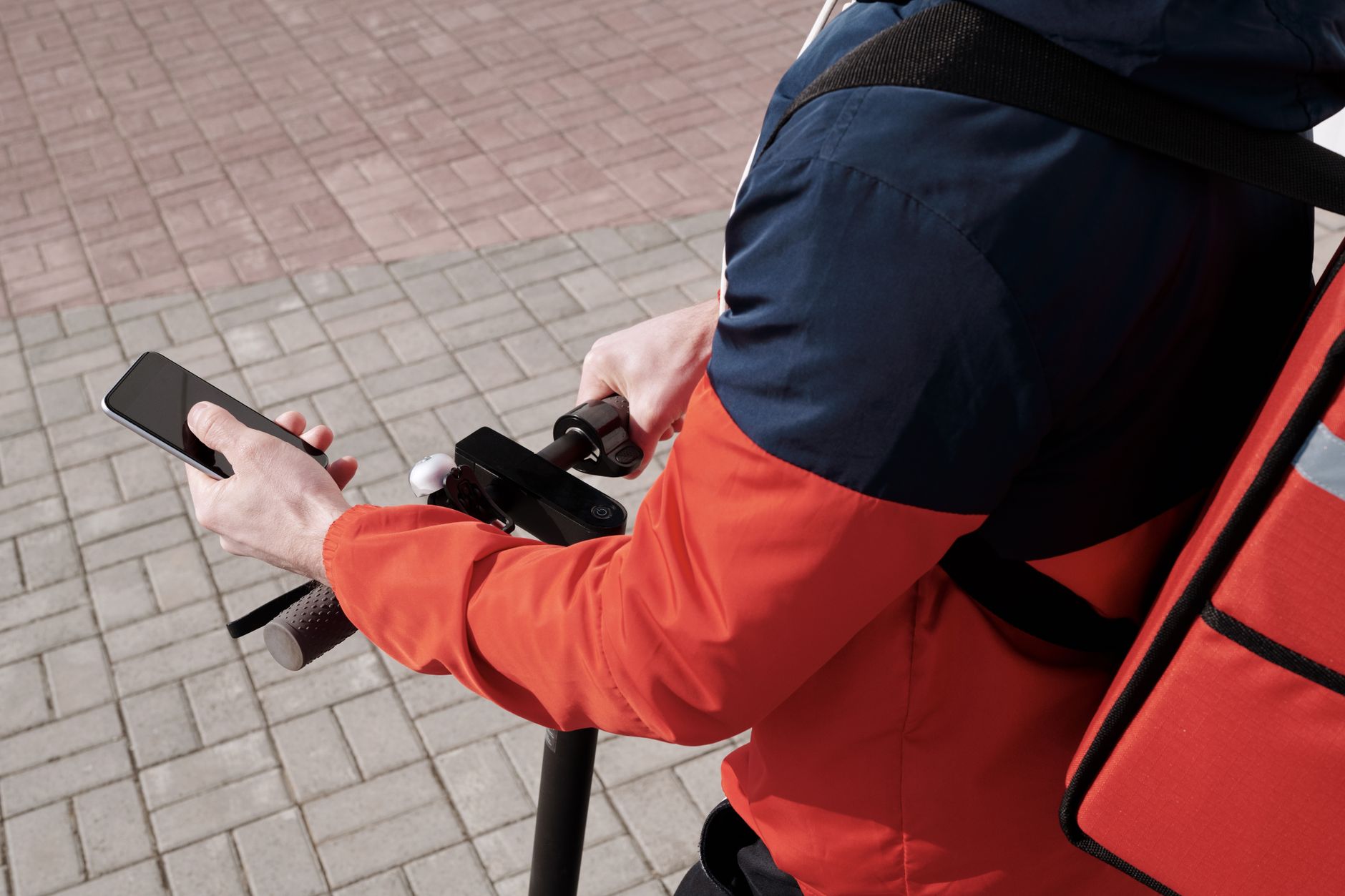
When Apple released the iPhone 18 Pro and iPhone 18 Pro Max in India on Friday, a segment of buyers bypassed the traditional queue outside retail stores and the typical multi‑day online shipping wait. Instead, they placed an order on one of the country’s fast‑delivery apps and received the device at their home in roughly ten minutes.
Quick‑commerce platforms expand into high‑value electronics
Apps best known for grocery and everyday‑item delivery – Blinkit, Zepto, Swiggy’s Instamart and BigBasket – added the new iPhone models to their catalogs as soon as the phones went on sale. The devices remain available through Apple’s standard channels, including its own stores, authorized resellers and major e‑commerce marketplaces, but the rapid‑delivery option generated noticeable buzz.
This is not the first time a launch‑day iPhone has appeared on a ten‑minute delivery service in India. Over the past few years, quick‑commerce operators have broadened their assortments beyond food staples to include electronics, beauty products and fashion items. The shift reflects the sector’s rapid growth: a Redseer Strategy Consultants report estimated the Indian quick‑commerce market at about $9 billion in the first half of 2026, with monthly active users climbing to more than 60 million, up from 8 million three years earlier. Separate forecasts from Google and Deloitte project the market could reach $50 billion by 2030, with non‑food categories such as electronics, fashion and beauty accounting for roughly 45 percent of total spend.
Launch‑day demand and early sales figures
Early indicators suggested strong appetite for the flagship phones. BigBasket reported delivering over 300 iPhone 18 Pro and Pro Max units within the first hour of sales. Instamart, speaking to TechCrunch, said the city of Bengaluru generated the highest number of iPhone 18 Pro orders on its platform, followed by Delhi. Among the variants, the Burgundy 256 GB iPhone 18 Pro emerged as the top seller on Instamart, representing nearly one‑third of the platform’s iPhone sales that day.
Despite the initial surge, availability soon became uneven. TechCrunch’s monitoring found that certain quick‑commerce services and specific neighbourhoods ran out of stock within hours, while other locations in Delhi and Bengaluru continued to list the phones for delivery. The patchy supply underscored the experimental nature of the channel.
Industry analysts weigh in on the model’s prospects
Tarun Pathak, research director at Counterpoint Research, described the launch‑day deliveries as an “early proof of concept” for using quick‑commerce as a distribution route for premium smartphones in India’s largest metros. He cautioned, however, that the volumes recorded were modest compared with overall iPhone sales and posed the question of whether the surge driven by a new‑product launch could evolve into regular, repeat purchases through the same rapid‑delivery services.
Navkendar Singh, associate vice‑president at IDC, highlighted that India is uniquely positioned for this type of service. He noted that consumers in major cities have built considerable trust in quick‑commerce platforms by repeatedly using them for routine purchases, and that formal partnerships between brands and the apps boost buyer confidence when ordering high‑value items. Singh emphasized the “instant gratification” factor: buyers can avoid standing in line or waiting several days for a courier, receiving the device almost immediately. Nonetheless, he warned that quick‑commerce remains a peripheral sales channel for smartphones, describing its role around new iPhone releases as largely a “launch‑day marketing phenomenon” that generates buzz rather than sustained revenue.
The experiment reflects a broader trend of retailers and manufacturers testing ultra‑fast delivery for high‑ticket items. While the current scale is limited, the combination of a growing quick‑commerce ecosystem, rising consumer trust and the allure of immediate ownership could shape future distribution strategies for premium tech products in India.
For now, the ten‑minute iPhone delivery remains a novelty that captured headlines, offering a glimpse of how the country’s fast‑moving consumer market may continue to blur the lines between grocery runs and high‑end gadget purchases.




Be First to Comment