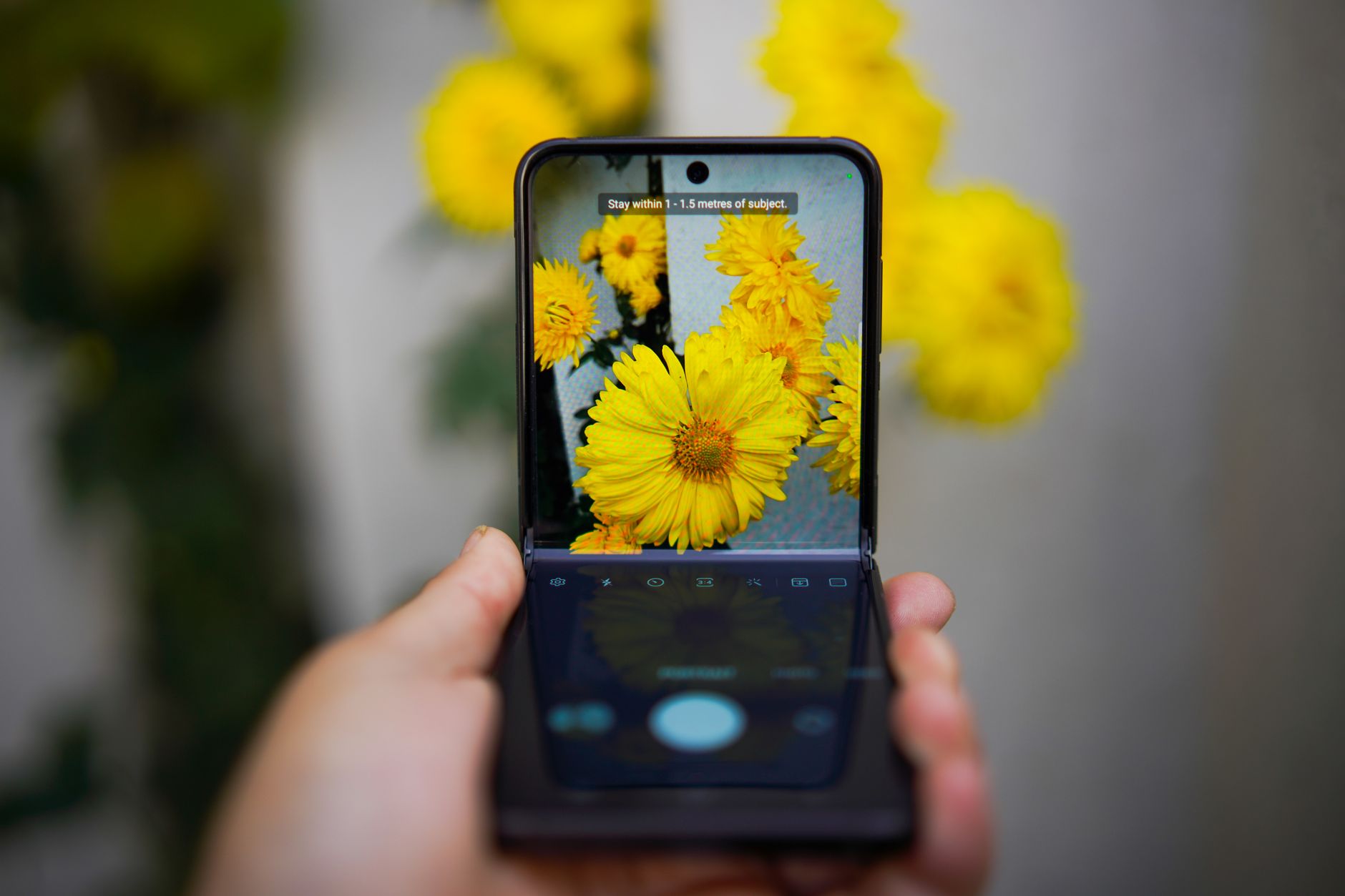
Apple unveiled its first folding smartphone, the iPhone Duo, on September 9 with a U.S. starting price of $1,999. The device is slated to reach retailers later next month, marking Apple’s entry into a segment that has been dominated by Android manufacturers for the past seven years since Samsung shipped the original Galaxy Fold.
Market size and consumer willingness
Speedtest data collected through early September 2026 indicates that foldable devices represented roughly 1.4 % of all smartphone samples worldwide. Adoption rates varied widely: less than 1 % in Germany, about 3 % in the United States, and close to 9 % in South Korea, where Samsung, the world’s largest foldable vendor, is headquartered. In the United States, Recon Analytics estimates foldables account for 1.13 % of the market, and only 2 % of surveyed consumers said they would consider paying more than $1,800 for a folding iPhone. The same analysis notes that several U.S. carriers are scaling back subsidies and trade‑in programs that have traditionally softened the high price point of foldables.
Research firm Counterpoint projects the global foldable market to expand 20 % in 2026, yet it still expects foldables to comprise just 2 % of the overall smartphone market. Counterpoint also predicts that Apple could capture 28 % of the foldable segment almost immediately after launch, despite the limited share of the broader market.
Samsung’s entrenched lead and the competitive landscape
Samsung continues to dominate the foldable space. Based on Speedtest sample share, Samsung accounted for 76.2 % of all global foldable measurements in 2026. Eight of the ten most popular foldable models, as measured by Speedtest, were Samsung devices, and the Galaxy Z Fold7—released in 2025—alone represented nearly a quarter of all foldable samples. Honor also appears among the top vendors, driven largely by sales in the Middle East, North Africa, Asia and Europe.
Timeline analysis of launch trajectories across a representative set of 14 countries shows Samsung’s Galaxy Z Fold series setting the adoption pace. The Fold7 outperformed its predecessor, the Fold6, while the newer Fold8 and Fold8 Ultra trailed slightly behind, suggesting a modest slowdown in overall interest. Google’s Pixel Fold line experienced an initial spike that quickly tapered, whereas Motorola’s revived Razr line displayed steady gains.
Over the past two years, Samsung’s share of the foldable market has shown signs of flattening after an earlier decline. Competitors have begun to erode its dominance: Motorola’s share grew to 8.5 % after nearly tripling, and Google’s share rose to almost 6 % from a few percentage points.
Form‑factor trends and performance characteristics
Book‑style (small‑book) folds dominate the segment, accounting for three‑quarters of global foldable Speedtest samples in 2026. These designs have gained a modest share from flip‑style (clamshell) folds over the past two years. Passport‑sized folds—such as Samsung’s Galaxy Z Fold8 and Apple’s forthcoming iPhone Duo—currently represent about 3.3 % of samples but are expected to grow as manufacturers refine the form factor.
Performance testing reveals that popular foldables in the United States often deliver faster network speeds than comparable slab phones, yet they also tend to register higher battery temperatures. For example, the Galaxy Z Fold8 showed higher median download speeds than the slab‑style Galaxy S26 Ultra, but its battery temperature readings were elevated in the same tests.
The Speedtest analysis compared six foldable models—Samsung’s Fold6, Fold7, Fold8, Fold8 Ultra, Flip6, and Google’s Pixel 10 Pro Fold—against control slab phones from the same manufacturers that share identical chipsets and modems. The study focused on the U.S. market, using data collected from May 1 to August 28, 2026 (120 days) and matched to network operators to minimize carrier‑related variance. Metrics included median download speed, 10th‑percentile download speed (the worst‑case 10 % of samples), median upload speed, and 90th‑percentile packet‑loss reduction. The analysis notes that a foldable beating its control by 9 % means it is 9 % faster than the specific slab phone with the same internals, not faster than all phones overall. Factors such as antenna placement, firmware, and real‑world usage can still influence results.
Pricing pressures and outlook for the iPhone Duo
The iPhone Duo’s $1,999 price tag places it at the high end of the foldable price spectrum. Given that only a small fraction of U.S. consumers indicated willingness to pay above $1,800 for a folding iPhone, and that carrier subsidies are receding, Apple may face challenges in achieving mass‑market adoption. The steep price, combined with the modest global share of foldables (approximately 1.4 % of Speedtest samples), suggests that the Duo could remain a niche product, at least initially.
Nevertheless, Apple’s brand strength and the projected 28 % share of the foldable market could translate into a sizable volume of sales relative to the segment’s overall size. If the Duo can match or exceed the network performance of leading Android foldables while managing battery‑temperature concerns, it may persuade early adopters and premium‑segment buyers to embrace the new form factor.
Ultimately, the success of the iPhone Duo will depend on how quickly Apple can convert its premium pricing into perceived value, whether carriers adjust subsidy strategies, and how the broader market responds to evolving book‑style and passport‑style designs. As foldables continue to represent a small but growing slice of the smartphone ecosystem, Apple’s entry adds a new competitive dynamic that could reshape adoption patterns in the years ahead.






Be First to Comment