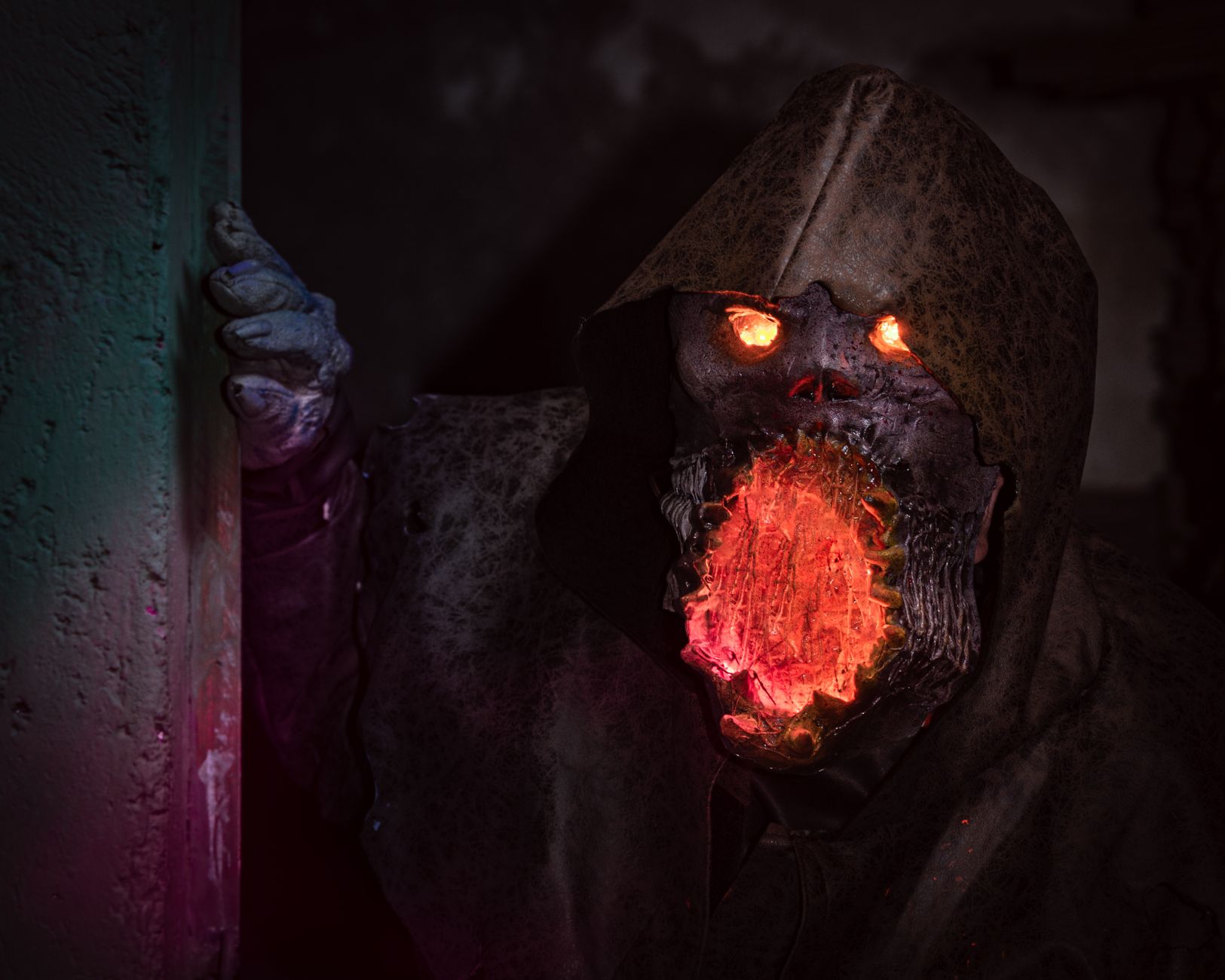
Konami’s latest entry in the Silent Hill franchise, Silent Hill: Townfall, transports players to a desolate Scottish fishing village in 1996. Developed by Glasgow‑based Screen Burn Interactive, the game offers a fresh first‑person perspective while retaining the series’ trademark psychological dread.
Setting and Narrative Premise
The story opens with American protagonist Simon Ordell, voiced by actor Jovan Adepo, washing ashore in the abandoned town of St. Amelia. He is fitted with an IV bag connected to his left hand and possesses no memory of how he arrived. A series of protest signs in the town square suggest corporate involvement in a recent disaster. Simon answers a ringing payphone and speaks with a man named Richard, voiced by Terry O’Quinn, who directs him to locate a nurse named Zoe Ellis, played by Kezia Burrows. Zoe is said to know Simon, though he cannot recall her.
St. Amelia, once a bustling community, is now overrun by faceless, fleshy humanoid monsters that emit low moans. Survival hinges on a handheld CRT television, reminiscent of Sony’s Sport Watchman, which reveals enemy silhouettes on a red‑tinted screen. The device also transmits cryptic audio messages that provide clues to locations such as Zoe’s house or a locked pharmacy locker.
Gameplay Mechanics and First‑Person Challenges
Unlike previous Silent Hill titles, Townfall is played entirely from a first‑person viewpoint, with occasional chapters that shift perspective to Zoe or Richard. This visual shift forces players to constantly scan their surroundings, relying on sound cues and the CRTV to track threats.
Combat options are deliberately limited. Players can throw bottles to distract monsters, wield a rotting wooden plank that breaks after a single melee strike, or use a handgun with a six‑round capacity when ammunition is scarce. The design encourages avoidance over confrontation, amplifying a sense of helplessness.
Interface issues have been noted. Interaction prompts appear as small symbols and text when players approach objects, but the size can make them difficult to read quickly. Reviewers reported losing critical seconds while searching for the “X” button prompt, and occasional mis‑presses that result in doors slamming shut and causing death.
Puzzle Solving and Vintage Technology
Exploration feels like navigating a massive puzzle box. Players consult a paper map marked in red to identify locked doors and previously searched areas. The game rewards meticulous planning, as each step often leads to new clues or items hidden in homes, alleys, and corporate housing blocks.
Screen Burn’s signature use of 1990s technology is evident throughout. Players encounter CRT monitors, answering machines, floppy disks, and cassette tapes that deliver narrative fragments. This aesthetic mirrors the studio’s earlier work on Stories Untold, where low‑capacity hardware hums contributed to an unsettling atmosphere.
Metaphysical Threats and Frustration Points
The town eventually shifts into an alternate, blood‑red version of itself, suggesting a manifestation of Simon’s psyche. In this realm, black iron pipes obstruct former pathways and enemies appear in greater numbers. A new entity called “The Weight” emerges—a large grotesque that kills instantly upon contact.
Screen Burn’s team includes developers who previously worked on Alien: Isolation, a title renowned for its hide‑from‑the‑monster tension. However, The Weight’s erratic movement can block hiding spots, forcing players into prolonged stalemates. If caught, the game often respawns the player at the point of death with The Weight still present, creating a loop that many find exasperating.
Visually, the nightmare version of St. Amelia is striking at first, but reviewers noted that the dreary aesthetic becomes repetitive over extended play.
Narrative Conclusions and Replayability
After an estimated 18‑plus hours of gameplay, reviewers reached one of several possible endings. The title offers at least five alternate conclusions, each intended to shed light on the tragedy that befell St. Amelia and the roles of Simon, Zoe, and Richard.
While Silent Hill traditionally emphasizes atmosphere over a tightly woven plot, some players may find the lack of clear answers frustrating. The game’s blend of exploration excitement and the anxiety of evading The Weight suggests that only dedicated fans of the series—or those who appreciate contradictory horror experiences—are likely to complete the full narrative multiple times.
Overall, Silent Hill: Townfall delivers moments of genuine terror and innovative first‑person design, but its uneven mechanics and occasional UI shortcomings may limit its appeal to a broader audience.






Be First to Comment