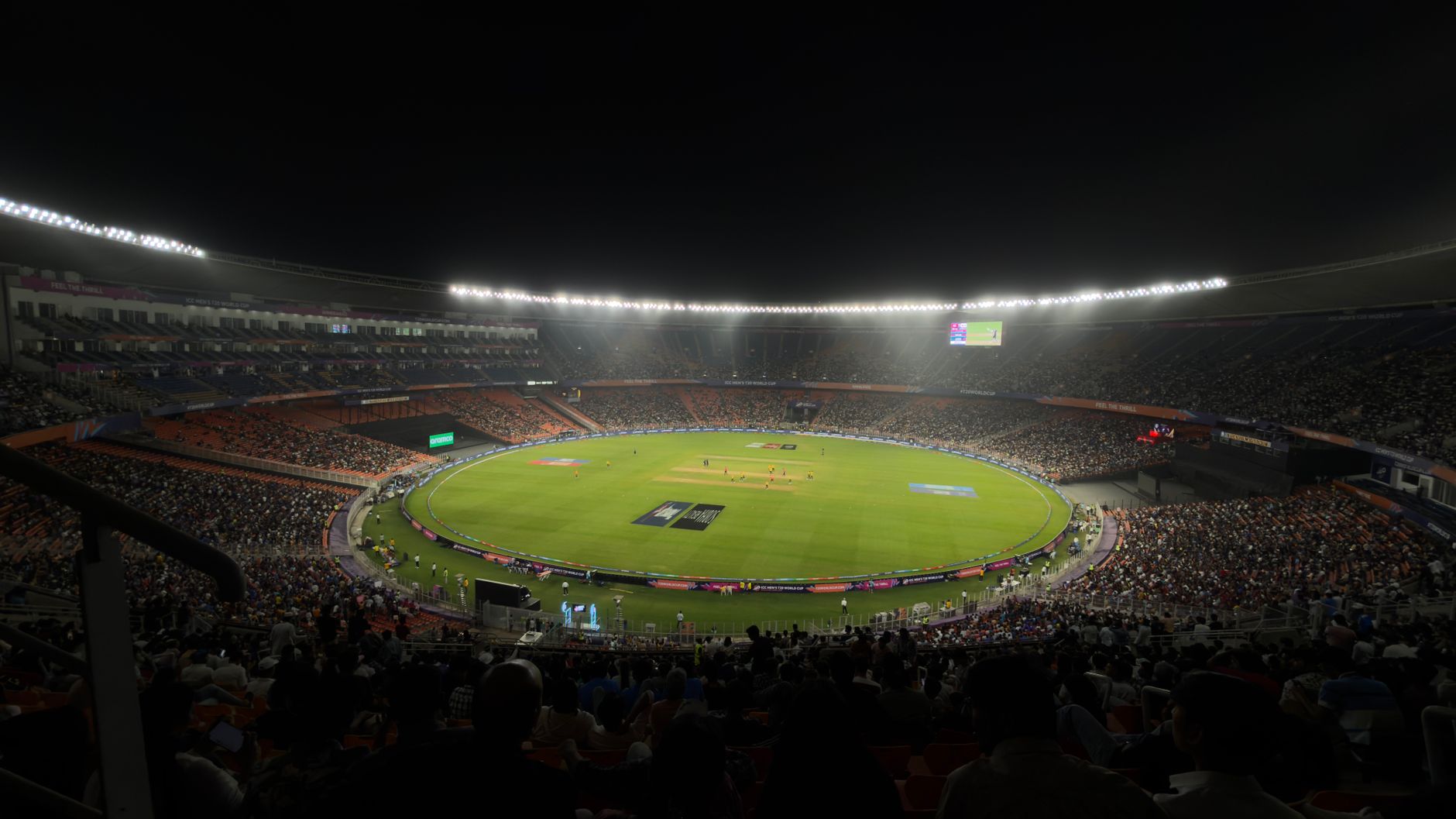
India, the reigning world champions in the Twenty20 format, secured a two‑run victory over Japan in a rain‑curtailed one‑off match held at Sano International Cricket Ground on Tuesday. The contest, played as a five‑over per side game due to weather, saw the hosts set a modest target of 33 runs. Japan finished on 30‑3, leaving the Indian side with a narrow win of 32‑4.
Match overview and tight finish
After winning the toss, India’s captain Shreyas Iyer elected to bat first. The opening over produced an early breakthrough for Japan when Charlie Hara‑Hinze dismissed Indian opener Abhishek Sharma with a catch. Hara‑Hinze followed up by removing Ishan Kishan on the second ball of his second over, giving Japan hope of restricting the world champions to a low total.
Iyer steadied the innings with a 12‑ball 16, and India concluded their chase at 32 for four wickets. The Japanese chase began cautiously on a slow, low‑scoring wicket. Slow left‑arm bowler Axar Patel opened the bowling for India and claimed the wicket of Lachlan Yamamoto‑Lake on his fourth delivery. Japan required 31 runs from the remaining four overs, but lost a wicket while adding six runs in the second over, bowled by off‑spinner Washington Sundar.
India continued with spin, conceding 17 runs across the next two overs before dismissing Japanese captain Kendel Kadowaki‑Fleming for 12. When Patel returned for the final over, Japan needed eight runs with seven wickets in hand. A dot ball and a single were followed by a wide, which initially gave Japan an extra run and ball.
Controversial wide reversal
The controversy unfolded when Patel’s subsequent delivery was also called a wide by the umpire. The batter attempted a reverse‑sweep, but the ball remained outside his reach, prompting the on‑field decision. Iyer and Patel protested vehemently, and after a brief consultation between the two on‑field officials—Chris Brown of New Zealand and Chris Thurgate of Japan—the wide call was withdrawn.
Law 22.3 of the Marylebone Cricket Club’s Laws of Cricket permits an umpire to revoke a wide only if the ball contacts the striker’s bat or person before reaching a fielder, or if the delivery is subsequently deemed a no‑ball. Neither condition applied to the Patel delivery, making the reversal inconsistent with the written law.
Japan required six runs from the final four balls after the reversal. They managed three singles off the last three deliveries, falling short by two runs. Had the wide stood, Japan would have been one run closer to a potential upset, which many observers described as one of the biggest possible surprises in international cricket history.
Reactions and implications
The incident prompted swift criticism from cricket writers, experts and fans worldwide. Wisden’s Ben Gardner labeled the decision “disgraceful,” writing on X that India had “bully‑ed the umpires into overturning a wide call against Japan.” Social‑media user Abu Zaid Sarooji echoed the sentiment, declaring that “Japan were robbed here.” Even some Indian supporters noted that the batter had not altered his stance before the ball was bowled, suggesting no intent to deceive.
Umpire Chris Thurgate, stationed at the bowler’s end, made the original wide call. After the protest, he and Brown conferred and reversed the decision without invoking a formal review process. No Decision Review System (DRS) was employed, and the stadium broadcast did not feature a TV‑umpire review, leaving the reversal unexplained to spectators.
Both captains remained silent on the matter after the match. Iyer, speaking on the pitch, described the venue as “a very difficult wicket to bat on” and emphasized the unpredictable nature of a five‑over game. He also praised Japan’s “impeccable” attitude and approach. Japanese captain Kadowaki‑Fleming expressed pride in his side’s performance against the world’s best, calling the encounter “momentous” as it marked Japan’s first match against a full ICC member.
The match itself was the product of extensive diplomatic and corporate effort by the Japan Cricket Association (JCA). According to Reuters, the JCA spent more than a year persuading the Board of Control for Cricket in India (BCCI) to travel to Sano. Government involvement in Japan added momentum, although JCA chief executive Naoki Alex Miyaji cautioned that a single match would not instantly elevate cricket’s popularity in a nation dominated by baseball and football.
Japan, an associate ICC member, entered the game ranked 41st in the men’s T20 rankings, with only about 7,300 registered players and 16 cricket grounds nationwide. The encounter therefore represented the highest‑profile cricket match the country has ever hosted, pitting an associate side against a three‑time T20 World Champion.
While the result added another win to India’s impressive T20 record, the disputed wide reversal has reignited debate over player‑umpire interactions and the appropriate use of on‑field authority. Cricket’s governing bodies may face pressure to clarify procedural guidelines for overturning calls without a formal review, especially in matches involving emerging cricket nations where the stakes are amplified by the prospect of historic upsets.





Be First to Comment