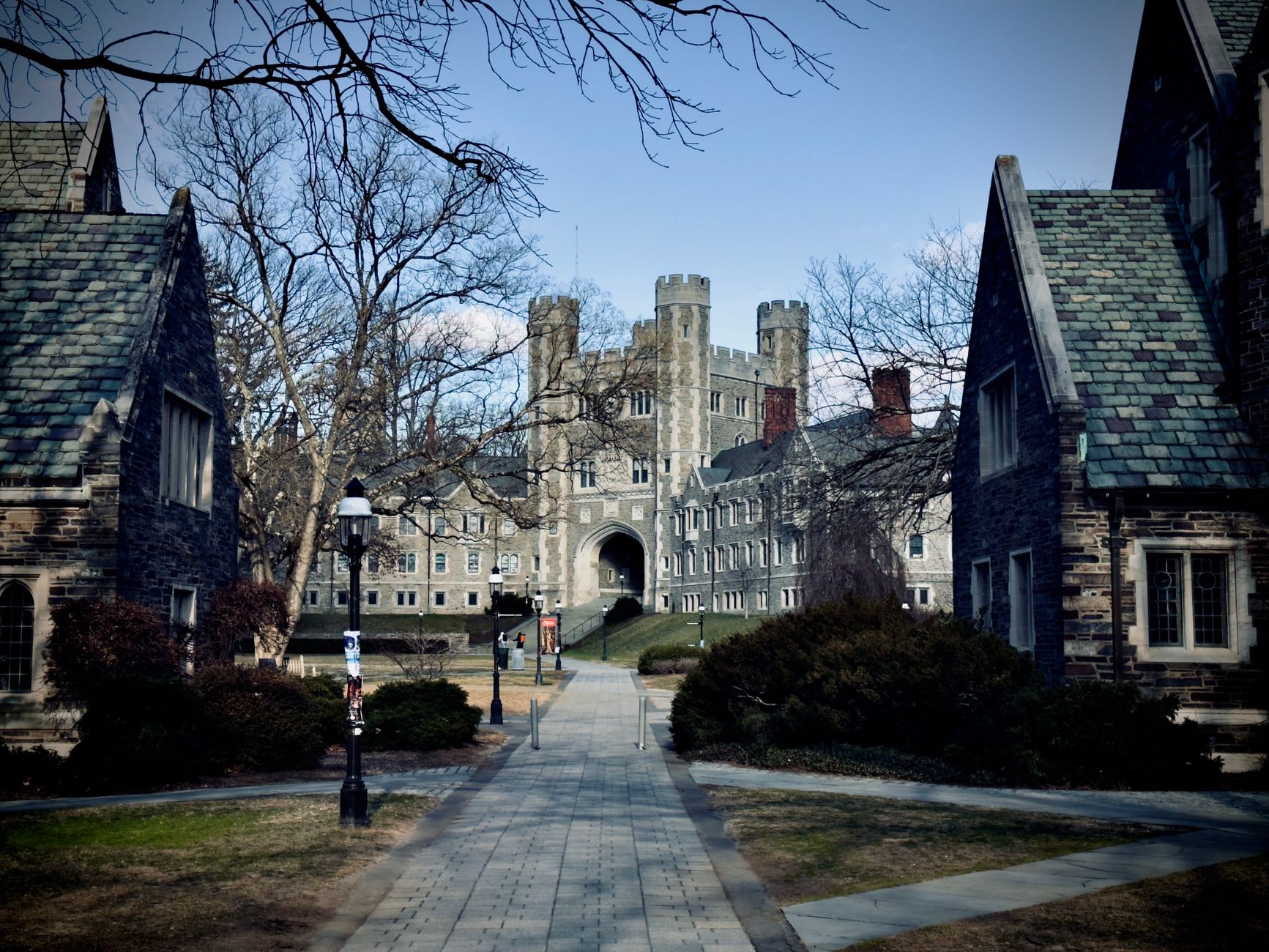
Mumbai authorities are conducting a multi‑layered investigation into the death of Sahil Wakode, a second‑year BTech student at the Indian Institute of Technology Bombay. Wakode was found hanging in his hostel room on the evening of 18 September, hours after he was allegedly caught using a mobile phone to access an AI platform during a mid‑semester examination.
Police investigation
The Mumbai Crime Branch recorded statements from 20 individuals connected to the case on Thursday. The testimonies include those of students who were present in the examination hall when Wakode was reportedly observed using his phone, teachers who supervised the exam, and staff members from the hostel where the incident occurred. According to sources, the statement of Professor Suryanarayana Doolla – the faculty member who was directly involved in the examination‑related incident – has not yet been recorded.
Investigators have faced technical hurdles in extracting data from Wakode’s iPhone. The device is secured with a pattern lock, preventing the police from accessing its contents. The phone’s screen displayed notifications of several missed calls, but the authorities have not been able to determine the identities of the callers or the numbers Wakode attempted to reach.
The police investigation began after the discovery of Wakode’s body. The Crime Branch, together with the Mumbai Police, opened a case following the student’s death, treating it as a possible suicide linked to the examination incident. The investigation is ongoing, with officials seeking documentary, electronic, forensic and testimonial evidence, as well as CCTV footage from the campus.
National Commission for Scheduled Castes inquiry
In parallel with the police probe, the National Commission for Scheduled Castes (NCSC) launched a spot inquiry on Thursday. Chairman Kishor Makwana visited IIT Bombay after Wakode’s family alleged caste‑based discrimination, harassment and other adverse circumstances preceding the death. Wakode, who belonged to the Scheduled Caste community, was a second‑year student in the Department of Energy Science and Engineering.
During the inquiry, Makwana met senior institute officials, including the director, deputy director, registrar and concerned faculty members. He inspected the Department of Energy Science and Engineering, the classroom and the examination hall where the alleged academic malpractice took place, and sought details about the questioning process that followed the incident.
The commission also visited Wakode’s hostel and his room, speaking with classmates and other students to understand his academic performance, extracurricular involvement and overall campus experience. The NCSC emphasized the need to preserve all relevant records – CCTV footage, electronic evidence, official communications and other material – and directed the institute and investigating authorities to conduct a “fair, impartial, comprehensive and expeditious investigation” without prejudice.
Makwana instructed the police to collect and examine documentary, electronic, forensic and testimonial evidence, and to record statements from any additional students, faculty members or institute officials as required. He also asked that a detailed Action‑Taken/Investigation Report be submitted to the commission at the earliest opportunity.
Family protest and institutional response
Wakode’s parents, Ravindra and Sonali Wakode, staged a sit‑in protest at Azad Maidan in Mumbai on Thursday. The family demanded the immediate arrest of Professor Doolla, stating that they were not questioning the police investigation but seeking swift action against the faculty member they hold responsible for the circumstances leading to their son’s death.
Ravindra Wakode told reporters, “We demand the arrest of Prof Doolla. We are not questioning the investigation.” He also highlighted his son’s academic record and leadership in extracurricular activities, noting that Wakode was leading a team of 50 students working on AI and robotics projects. “Do you think such a meritorious student can do this? The investigation should be fast‑tracked,” he added.
In response to the growing public scrutiny, IIT Bombay issued a formal apology for statements made in an earlier communication about the incident. The institute said the earlier message had caused concern and expressed regret, while confirming that police and Crime Branch investigations remain ongoing.
The case has sparked broader discussion about campus safety, grievance mechanisms for Scheduled Caste students, and the handling of alleged academic misconduct in Indian higher‑education institutions. Stakeholders, including student groups and civil‑society organizations, are calling for clearer protocols to prevent similar tragedies and to ensure that investigations are transparent, timely and free from bias.
As the investigations progress, authorities are expected to release further details regarding the forensic analysis of the hostel room, the content of the missed calls on Wakode’s phone, and any findings related to alleged caste‑based discrimination. The outcome of both the police probe and the NCSC inquiry will likely shape policy recommendations for IIT Bombay and potentially other premier institutions across the country.


Be First to Comment