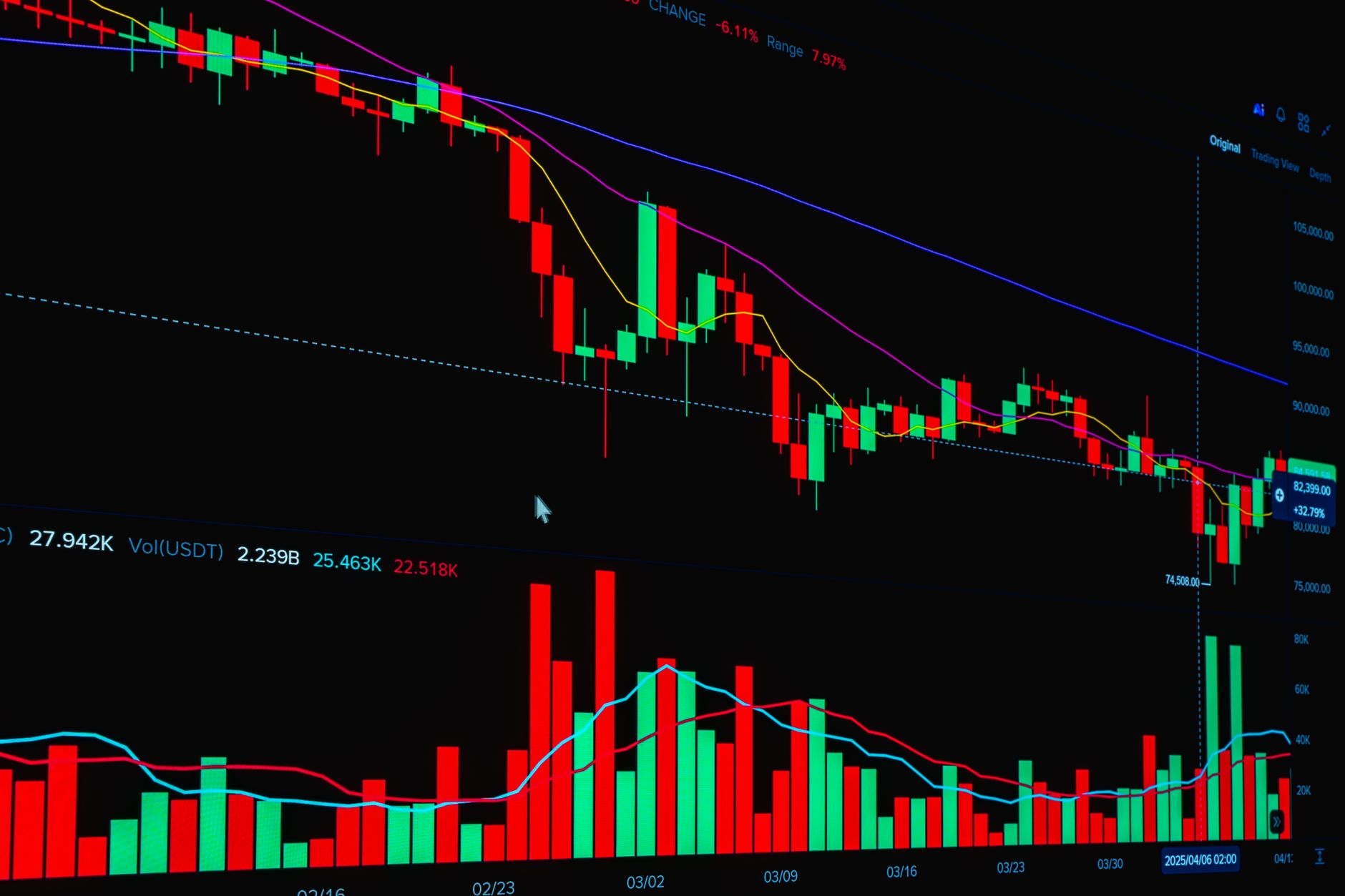
India’s benchmark indices posted modest gains on Friday, with the BSE Sensex climbing 315.20 points, or 0.43 per cent, to finish at 73,895.74. The NSE Nifty 50 also rose, settling at 23,140.50, up 77.40 points, equivalent to a 0.34 per cent increase. The rally was led by realty and auto shares, which posted the strongest performances among sectoral indices. Despite the positive close, the broader market narrative remained cautious, as the Nifty recorded its seventh consecutive weekly decline – the longest losing streak for the index since 2020.
Technical Outlook and Key Levels
Senior technical analyst Rupak De of LKP Securities highlighted that the Nifty continues to chart lower highs and lower lows, keeping it beneath its key moving averages. This pattern signals a weak short‑term structure, reinforced by a bearish turn in the weekly Relative Strength Index (RSI). De noted that the immediate technical support sits at the 23,000 level, with a secondary cushion at 22,700. On the upside, the 23,200–23,300 band represents the nearest resistance zone. A sustained breach above 23,300 could improve the technical setup, while a decisive fall below 23,000 may reignite the downtrend.
Sectoral Performance and SMID Trends
Sectoral indices ended the session with mixed results. The Nifty Consumer Durables index emerged as the top gainer, reflecting investor interest in that segment. Meanwhile, other sectors displayed a range of outcomes, underscoring the uneven nature of the day’s rally. Among the broader market categories, the Nifty Midcap 100 slipped 0.14 per cent, whereas the Nifty Smallcap 100 edged higher by 0.15 per cent, indicating a modest divergence between mid‑cap and small‑cap sentiment.
In addition to the major indices, the market’s heatmap showed a blend of gainers and losers across the Sensex constituents. While the overall move was positive, the gains were confined to a narrow trading range, suggesting that investors remained selective in their positioning.
Macro Pressures and Domestic Resilience
Vinod Nair, head of research at Geojit Investments, pointed to elevated oil prices and volatile global bond yields as factors that kept the market’s recovery limited. He explained that persistent concerns over inflation, foreign fund outflows, and pressure on emerging‑market currencies continued to weigh on sentiment. Nonetheless, Nair observed that selective bargain hunting after the recent pullback helped maintain a positive bias, even as gains stayed within a tight range.
Domestic liquidity, according to Nair, played a crucial role in keeping the benchmark indices above the psychologically important 23,000 level. He added that improving valuations and resilient domestic growth prospects are encouraging selective accumulation, allowing the market to absorb external pressures more effectively. The combination of strong domestic liquidity and better valuation metrics appears to provide a cushion against the headwinds stemming from global yield dynamics and commodity price volatility.
Overall, the market’s performance on Friday reflected a delicate balance between technical weakness, sectoral divergence, and macro‑economic challenges. While the Sensex and Nifty managed to close in positive territory, the underlying technical signals and external pressures suggest that investors will continue to monitor support levels closely. A sustained move above the 23,300 resistance could signal a shift in momentum, whereas a breach below 23,000 may reopen the path for further downside.






Be First to Comment