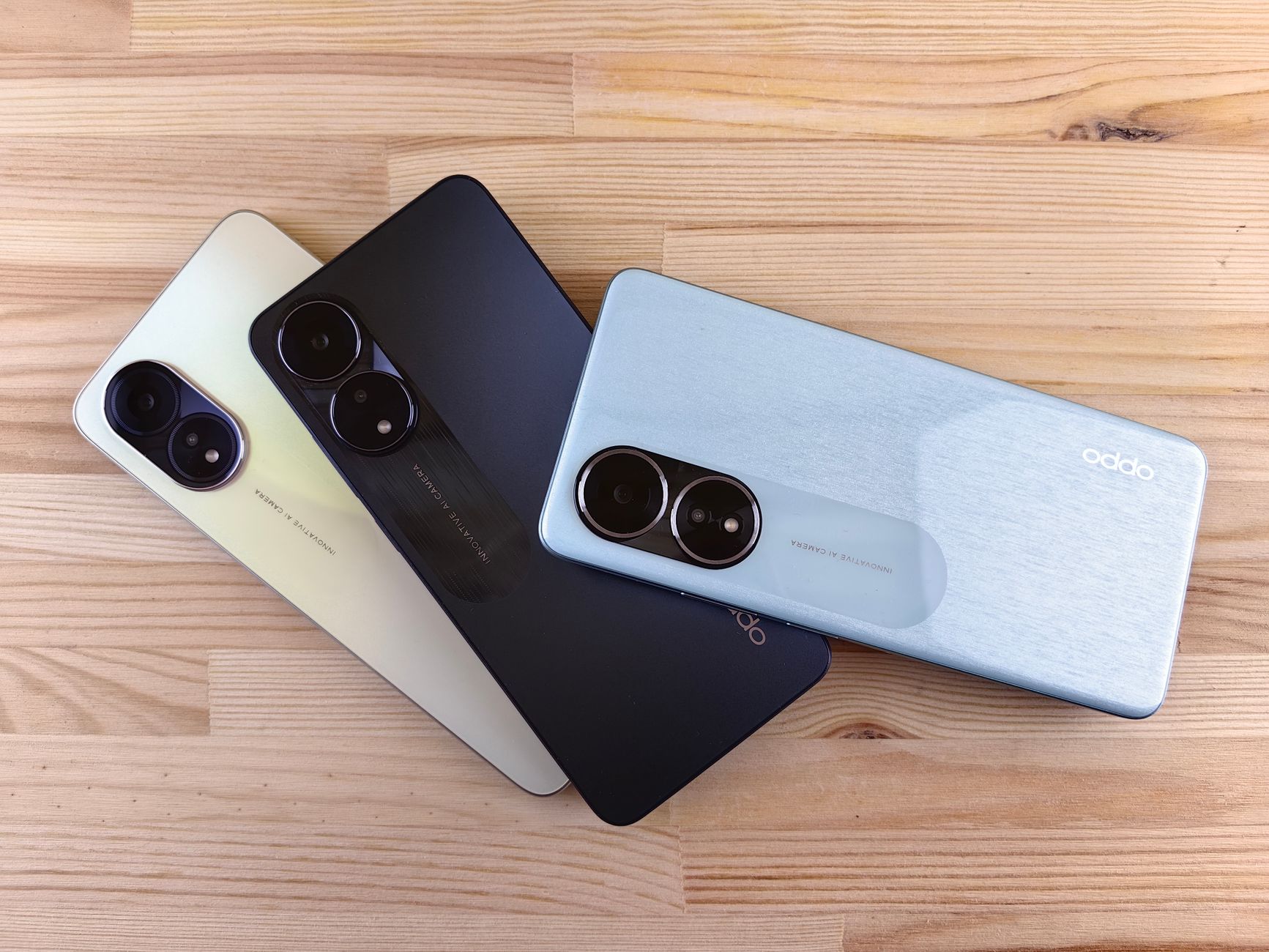
Apple’s latest flagship, the iPhone 18 Pro, arrives to a market that is already looking ahead to a more attention‑grabbing device – the iPhone Duo, slated for launch next month. While the Duo is expected to command a premium price and introduce a folding form factor, the 18 Pro positions itself as the more affordable, conventional premium smartphone for customers who want Apple’s latest hardware without paying for a niche folding phone.
Hardware upgrades
The iPhone 18 Pro is powered by Apple’s new A20 system‑on‑chip, built on a 2‑nanometre manufacturing process. The processor houses a seven‑core graphics unit and a dual‑neural‑engine configuration. According to Apple’s specifications, the chip delivers faster computation and improved energy efficiency relative to the A19 found in the iPhone 17 Pro. In practice, the performance boost is described as noticeable in benchmark terms but not enough to compel owners of the iPhone 17 Pro or iPhone 16 Pro to replace their devices. The new SoC also brings better thermal management, allowing the phone to stay cooler under load.
Battery life receives a modest increase, with Apple claiming “a few hours” of extra usage compared with the previous generation. The improvement is attributed to the more efficient A20 chip and refined power‑management software. Users who previously needed to charge their iPhone 17 Pro daily may see the interval stretch to a full day and a half, depending on usage patterns.
Camera and display changes
Photographers will find the most visible hardware change in the camera module. The iPhone 18 Pro introduces a physically adjustable aperture, a feature that allows manual control over depth of field and low‑light performance. Rather than relying solely on software‑driven adjustments, users can now select a wider or narrower opening to influence background blur and exposure. This aligns the device with other flagship smartphones that offer manual lens control, catering to enthusiasts who prefer to fine‑tune their shots.
The Dynamic Island, Apple’s interactive cut‑out that replaced the traditional notch, has been redesigned. A third live activity indicator has been added, while the overall footprint of the island has been reduced, reclaiming a small amount of screen real estate. The change is subtle but appreciated by users who value every pixel of the OLED display.
Physical dimensions remain compatible with the previous generation; cases made for the iPhone 17 Pro will fit the 18 Pro without modification. Apple also expands its colour palette, adding “glacier blue” and “burgundy” to the lineup, giving buyers more aesthetic options.
Software and market positioning
All iPhone 18 Pro units ship with iOS 27. A headline feature of iOS 27 is a smarter version of Siri, but the upgrade is currently unavailable to users in the European Union. Ongoing regulatory discussions concerning third‑party digital‑assistant access have delayed the rollout, leaving EU customers with a slightly improved but still “irritating” Siri experience. The limitation applies to every iOS 27 device, not just the 18 Pro.
From a market perspective, the iPhone 18 Pro is positioned as a solid, incremental step forward rather than a revolutionary leap. Reviewers note that while the device is “another solid smartphone” with useful upgrades such as the adjustable aperture and longer battery life, the lack of a dramatic performance jump means it is unlikely to entice owners of recent iPhone models to upgrade. The iPhone Duo, by contrast, is expected to command a higher price and target a niche segment that values the novelty of a folding display.
For consumers who are still on older models—such as the iPhone 15 Pro, iPhone 14, or earlier—the 18 Pro represents a worthwhile upgrade. The combination of a newer processor, modest battery gains, and enhanced camera control provides tangible benefits over devices that are two or three generations old. Apple’s strategy appears to be to let the Duo capture the high‑end, high‑price spotlight while the 18 Pro continues to drive volume in the premium segment.
In summary, the iPhone 18 Pro delivers a collection of refinements: a cutting‑edge A20 chip built on a 2 nm process, a seven‑core GPU, a dual neural engine, a manually adjustable camera aperture, a slimmer Dynamic Island, and a handful of fresh colour options. The improvements are real but incremental, and the device does not dramatically outpace the iPhone 17 Pro. For users looking for a reliable, high‑quality iPhone without the premium price tag of the forthcoming Duo, the 18 Pro remains a compelling choice, especially for those coming from the iPhone 15 Pro or older models.




Be First to Comment