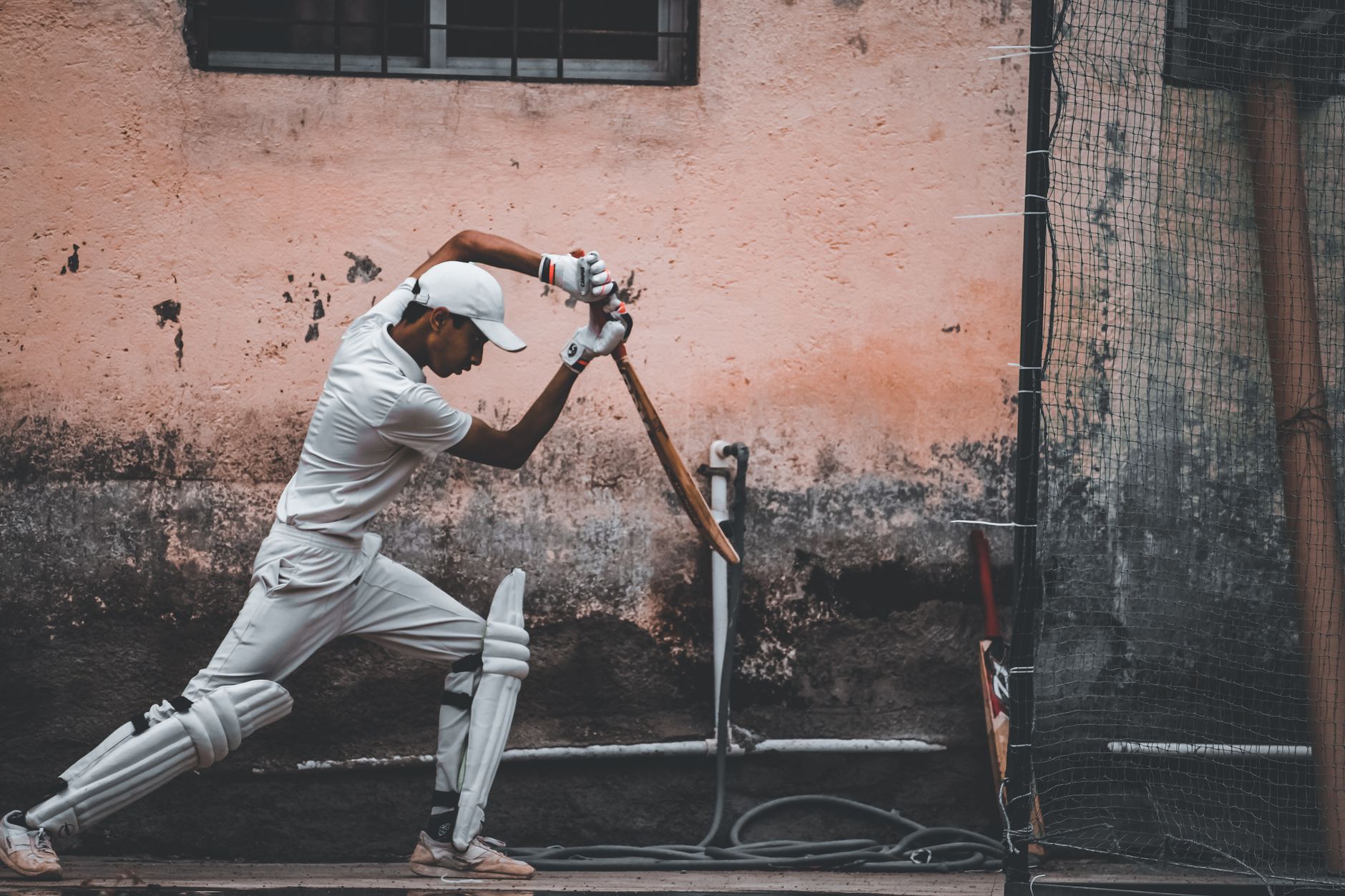
India’s three‑match One‑Day International (ODI) series against the West Indies in Trivandrum is being treated as a practical rehearsal for the nation’s fast‑bowling reserves. While the encounter lacks the fanfare of the upcoming England tour or the looming New Zealand series, team officials and coaches say the low‑pressure environment offers a chance to experiment with bowlers, manage workloads and gauge the readiness of players who could feature in the 2027 World Cup.
Practice disruptions and injury
Just before the Indian squad began a scheduled practice session, a sudden bout of heavy rain swept across the stadium, prompting a mobile flash alert about a possible swell surge. The downpour was brief but forced the team to adjust their warm‑up plans. Two hours into the session, a separate mishap occurred when Shubman Gill was struck on the elbow by a delivery from Mohammed Siraj in the nets. Gill did not resume batting after the incident, adding an unexpected injury concern to an already unsettled practice routine.
Morne Morkel outlines the test
Former South African pacer Morne Morkel, a regular presence at pre‑series press conferences, framed the West Indies series as an opportunity to place India’s bowlers under pressure. “Coming to the World Cup is the biggest stage, you can’t decide a month or a week before the tournament now that we’re going to step things up,” Morkel said. He emphasized that the series would allow India to see how its bowlers, batsmen and fielders respond when conditions become demanding or when specific batting partnerships develop.
Morkel added that the goal is to see fringe players “going to Shubman and asking for the ball and wanting to create opportunities,” rather than protecting their own space. He described the series as an extension of an ongoing exercise that began last year, aimed at giving players varied game time and observing how they react in different roles.
India’s evolving pace attack
Since the start of 2026, India has rotated seven frontline quicks in ODIs. Prasidh Krishna and the newly capped Gurnoor Brar have featured most frequently, each appearing in seven and six matches respectively. With Jasprit Bumrah unavailable, both are likely to start against the West Indies.
Mohammed Siraj, who delivered the ball that injured Gill, has not featured in an ODI since January. Post‑2023 World Cup, Siraj has played nine ODIs, posting an average of 47 and a strike‑rate of 53 – figures notably higher than those of his fellow pace options. The team’s selection pattern since the World Cup has shown a preference for tall, “hit‑the‑deck” fast bowlers, even though domestic stalwart Auqib Nabi, who has yet to make his ODI debut, does not fit that physical profile.
All seven quicks were present during the full‑house practice in Trivandrum, giving Morkel a clear view of the depth available. He noted that the series will provide “definitely opportunities given to guys to see what they can do in their different roles,” and that the experience will continue into the subsequent New Zealand tour.
Injuries and all‑round options
India’s pace pool is further stretched by the ongoing absences of Hardik Pandya and Harshit Rana, both sidelined with injuries and lacking defined return dates. Team management highlighted the importance of workload monitoring to keep these players fit for future selection.
In Pandya’s absence, all‑rounder Nitish Kumar Reddy has been pressed to fill the void. After an impressive 2026 IPL season – his best statistical showing with the ball – Reddy featured in the Afghanistan ODIs. A fresh injury, however, prevented a planned trip to the United Kingdom, leaving his capacity for longer ODI spells untested. Morkel cautioned against assigning Reddy an elaborate role, instead urging him to focus on “the basics” and maintain consistency in the situations presented to him.
Implications for the World Cup build‑up
While the West Indies sit at tenth in the ODI rankings and the series does not directly affect World Cup qualification, the matches serve as a low‑stakes laboratory for India. The team can experiment with combinations, give game time to backup bowlers and assess how players handle pressure without the glare of a marquee series.
Looking ahead, the Indian side will transition from the West Indies fixtures to a high‑profile England series in July and then a New Zealand tour. The insights gained in Trivandrum – from handling unexpected weather, managing injuries, and rotating fast‑bowling resources – are expected to feed into squad decisions as the World Cup approaches, now just over a year away.
In summary, the Trivandrum ODIs are being used as a strategic checkpoint. By exposing fringe pacers to real‑match scenarios, monitoring the fitness of key all‑rounders and fine‑tuning the balance between experience and youthful exuberance, India hopes to emerge with a more resilient and adaptable fast‑bowling unit for the challenges that lie ahead.





Be First to Comment