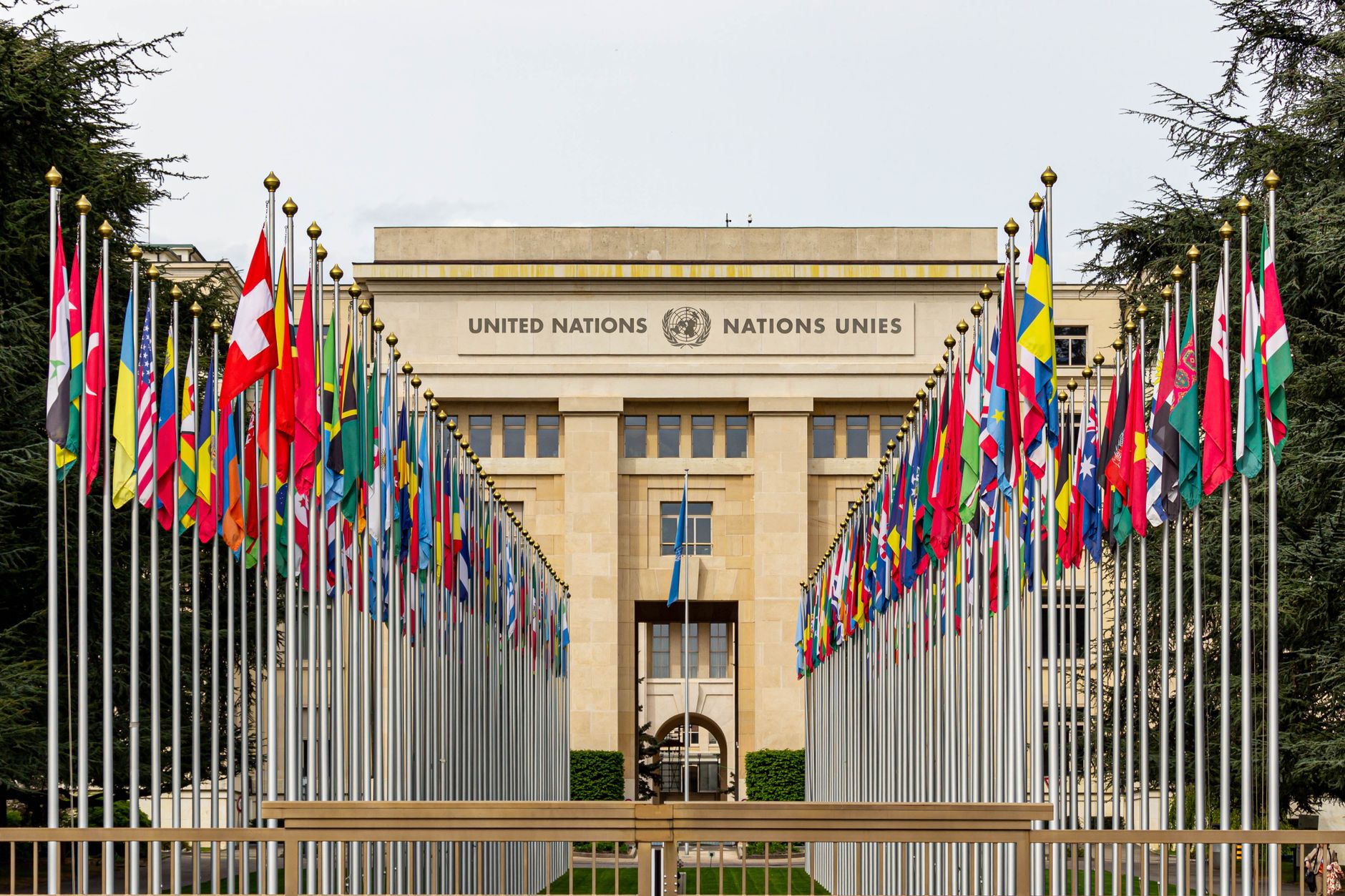
Delivering India’s National Statement at the United Nations General Assembly on Saturday, External Affairs Minister S. Jaishankar asserted that the country will exercise its inherent right to defend itself against terrorism. In the same address, he took aim at remarks made by Pakistan’s Prime Minister Shehbaz Sharif the previous day, labeling the Pakistani leader’s statements as an attempt to normalise terrorism and to claim immunity from its consequences.
India’s stance on terrorism
Jaishankar’s response to Sharif’s speech was unequivocal. He warned that there could be “no dilution” of the world’s zero‑tolerance approach to terrorism, emphasizing that any state‑sponsored terror with a cross‑border purpose must be held accountable. Sharif had accused India of launching “Operation Sindoor” the previous year, described Kashmir as Pakistan’s “jugular vein,” and alleged that the BJP government was unleashing a “reign of terror” against minorities. Jaishankar dismissed these claims, stating that India’s right to defend itself against terrorism would be exercised without hesitation.
Indus Waters Treaty and water weaponisation
The Pakistani premier also alleged that India was “weaponising water” by holding the Indus Waters Treaty in abeyance. Jaishankar countered that friendship and goodwill cannot coexist with terrorism, implying that any understanding predicated on such conduct would be called into question. He did not elaborate on the treaty itself but framed the accusation as part of a broader effort to undermine bilateral cooperation.
Global conflicts and the Global South
Beyond the bilateral dispute, Jaishankar used the UN platform to highlight the impact of distant wars on the Global South. Referring to the conflicts in Ukraine and West Asia, he said that nations far removed from the fighting were being “penalised for no fault of theirs,” as the wars disrupted the “Four Fs”: food, fuel, fertilizers and finance. He warned that those most affected often have the least say in international forums and urged the Assembly to confront the true state of affairs.
Jaishankar also drew attention to attacks on seafarers in both conflicts, noting that 18 Indian nationals had been killed. He described the targeting of civilians as “completely unacceptable” and announced that India had joined Liberia and 23 other partners in an initiative to rally global public opinion against such unwarranted attacks.
Speaking on the war in Gaza, the minister reiterated India’s support for a two‑state solution and said New Delhi was continuing humanitarian assistance, including relief supplies for Palestinians. The remarks underscored India’s broader diplomatic position that peace in the region requires mutually agreed borders and sustained humanitarian aid.
Multipolar world and UN reform
Jaishankar described the international order as moving toward a multipolar reality, suggesting that the post‑1945 system must give way to “new realities.” He called for an “intrinsically diverse world with a more democratic future,” and advocated for reformed multilateralism. In practical terms, this meant a push to expand the United Nations Security Council so that it becomes more representative of contemporary global power structures.
The minister’s remarks on reform were framed as part of a larger vision for a world where diverse voices shape decision‑making, rather than a narrow set of historic powers. He linked this vision to the need for a more equitable and effective response to global challenges, from climate change to conflict‑driven humanitarian crises.
This was the fifth time Jaishankar delivered India’s National Statement at the General Assembly. Prime Minister Narendra Modi chose to skip the UNGA this year, a departure from his previous appearances in 2014, 2019 and 2021, as well as a virtual address in 2020 during the COVID‑19 pandemic. Jaishankar’s speech therefore carried the full weight of India’s diplomatic narrative for the session, covering bilateral tensions with Pakistan, broader concerns about terrorism, and a call for a more inclusive and representative international system.





Be First to Comment