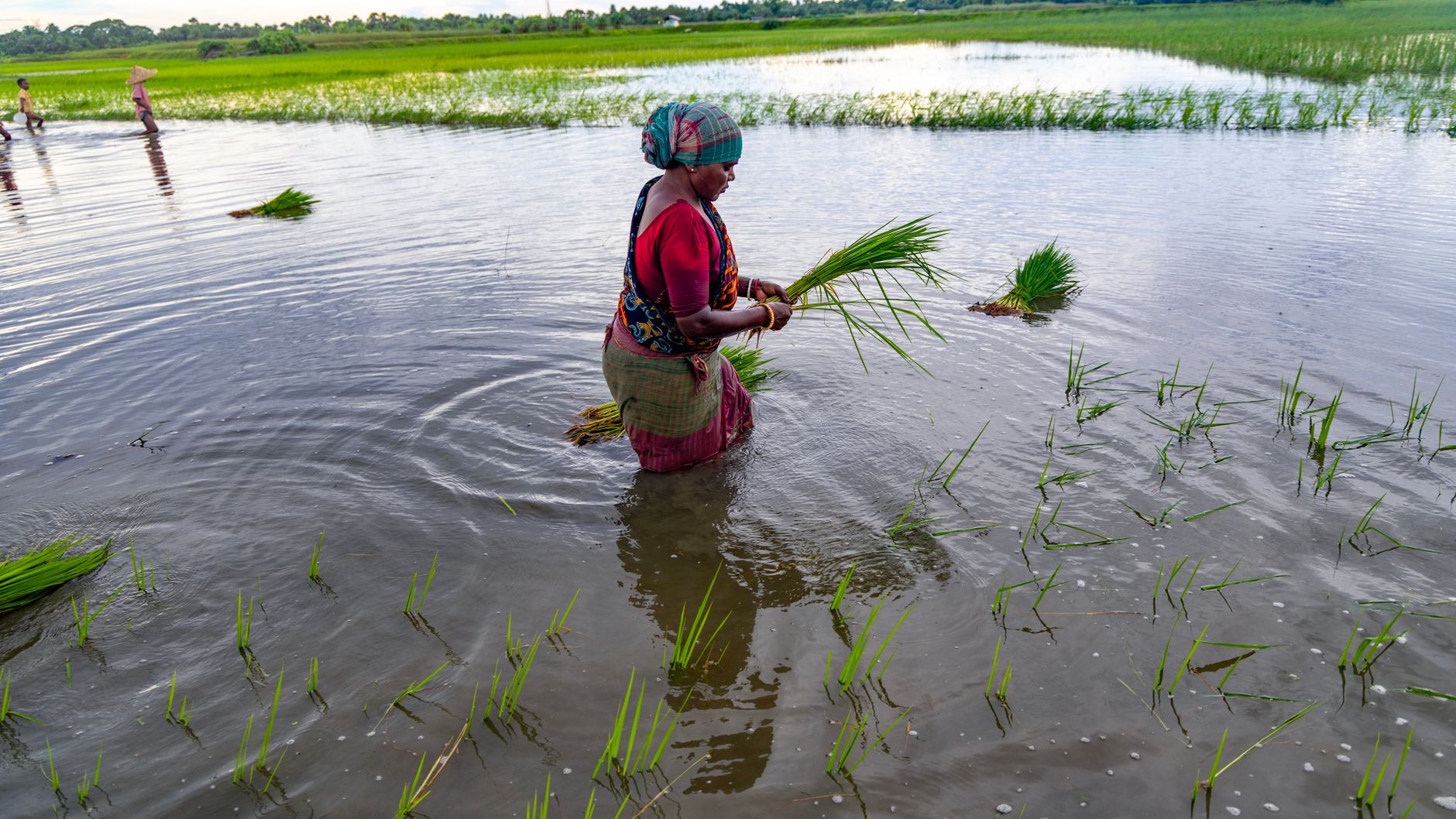
In the last 48 hours, intense monsoon activity across eastern and central India has resulted in at least 18 fatalities, five injuries and the displacement of thousands of residents. The deluge has flooded large swathes of Uttar Pradesh, Odisha, Bihar and Chhattisgarh, destroying standing Kharif crops, damaging homes and disrupting key transport corridors.
Uttar Pradesh bears the brunt of the death toll
The most severe impact has been recorded in Uttar Pradesh, where 17 people lost their lives and five others were injured. Relief Commissioner Hrishikesh Bhaskar Yashod reported that 63 of the state’s 75 districts experienced above‑normal rainfall, with the region receiving 19 times the typical precipitation in the preceding 24‑hour period.
According to a press statement from the commissioner’s office, single fatalities were reported in the districts of Amethi, Bahraich, Banda, Barabanki, Basti, Fatehpur, Hamirpur, Hardoi and Kanpur Nagar. Two deaths occurred in Ayodhya and four in Lakhimpur Kheri. Specific causes included a wall collapse in Bahraich and a thunderstorm in Basti.
Uttar Pradesh logged an average of 52.5 mm of rain in the 24‑hour window ending at 8:30 a.m. on Saturday, while several observatories recorded totals exceeding 200 mm. The excessive moisture has water‑logged fields, prompting concerns among farmers about delayed sowing for the upcoming Rabi season. Officials warned that water‑saturated lands may take additional time to become suitable for cultivation.
Infrastructure has also suffered. The Ganga Expressway near the Bashiratganj toll plaza in Unnao experienced severe water‑logging, halting traffic on the 594‑km corridor. The India Meteorological Department recorded 65 mm of rain in Unnao during the 24 hours preceding Saturday morning.
Odisha sees massive evacuations and crop loss
In Odisha, heavy rain over the past two days affected more than 73,000 people across ten districts, prompting the evacuation of over 40,000 individuals to safer locations. State revenue and disaster‑management minister Suresh Pujari highlighted that the southern districts of Koraput, Nabarangpur, Malkangiri, Rayagada, Ganjam and Gajapati bore the greatest impact.
Special Relief Commissioner Rajesh Prabhakar Patil detailed the extent of damage: 80 blocks, 325 gram panchayats, 1,071 villages and 49 wards in ten urban local bodies were affected. The assessment listed 721 houses as partially or fully damaged and identified 4,480 hectares of cropland that suffered loss.
Local farmers reported that standing Kharif crops were heavily damaged by the relentless downpours, compounding the agricultural challenges already faced by the region.
Bihar contends with cross‑border river surge
In Bihar, the combined effect of persistent rainfall in Nepal’s catchment areas and the regulated release of water from the Valmikinagar barrage caused the Gandak River to breach into homes in West Champaran district. More than 2,000 villagers were forced to seek temporary shelter, according to Circle Officer Wasim Akram of Bagaha‑2.
Chief Secretary Pratyaya Amrit issued a directive on Saturday urging district authorities along sensitive riverine belts to remain on high alert, anticipating possible further surges from rivers originating in Nepal’s hilly terrain.
The state recorded an average rainfall of roughly 54 mm over the two‑day period of September 24‑25, with moderate to heavy showers continuing into September 26 and localized extremes persisting.
Chhattisgarh declares school holidays amid flooding
Chhattisgarh experienced continued heavy rain that led to flooding, water‑logging and disrupted road connectivity. Authorities closed schools in eight districts—Dantewada, Bijapur, Kondagaon, Kanker, Bastar, Gariaband, Dhamtari and Durg—and postponed quarterly examinations in government schools within the affected zones.
Tragically, a 40‑year‑old farmer drowned in Kondagaon after falling into a swollen drain while attempting to catch fish from a water‑logged paddy field.
The state’s response included declaring a holiday for both government and private schools in the eight districts, reflecting the severity of the weather conditions.
Overall assessment and outlook
The coordinated response across the four states underscores the scale of the monsoon emergency. Relief officials in each region have emphasized the need for rapid evacuation, provision of temporary shelter and assessment of agricultural losses. While the immediate death toll stands at 18, officials warn that the ongoing rainfall could exacerbate flooding, especially in low‑lying riverine areas.
Authorities continue to monitor weather patterns, with the India Meteorological Department indicating the likelihood of further downpours. The combined impact on crops, housing and transport infrastructure highlights the broader vulnerability of the affected states to extreme monsoon events.
As relief operations proceed, displaced families remain in temporary accommodations, and agricultural stakeholders await guidance on the timing of the Rabi sowing season. The situation remains fluid, with officials urging residents in high‑risk zones to stay alert and follow evacuation orders.






Be First to Comment