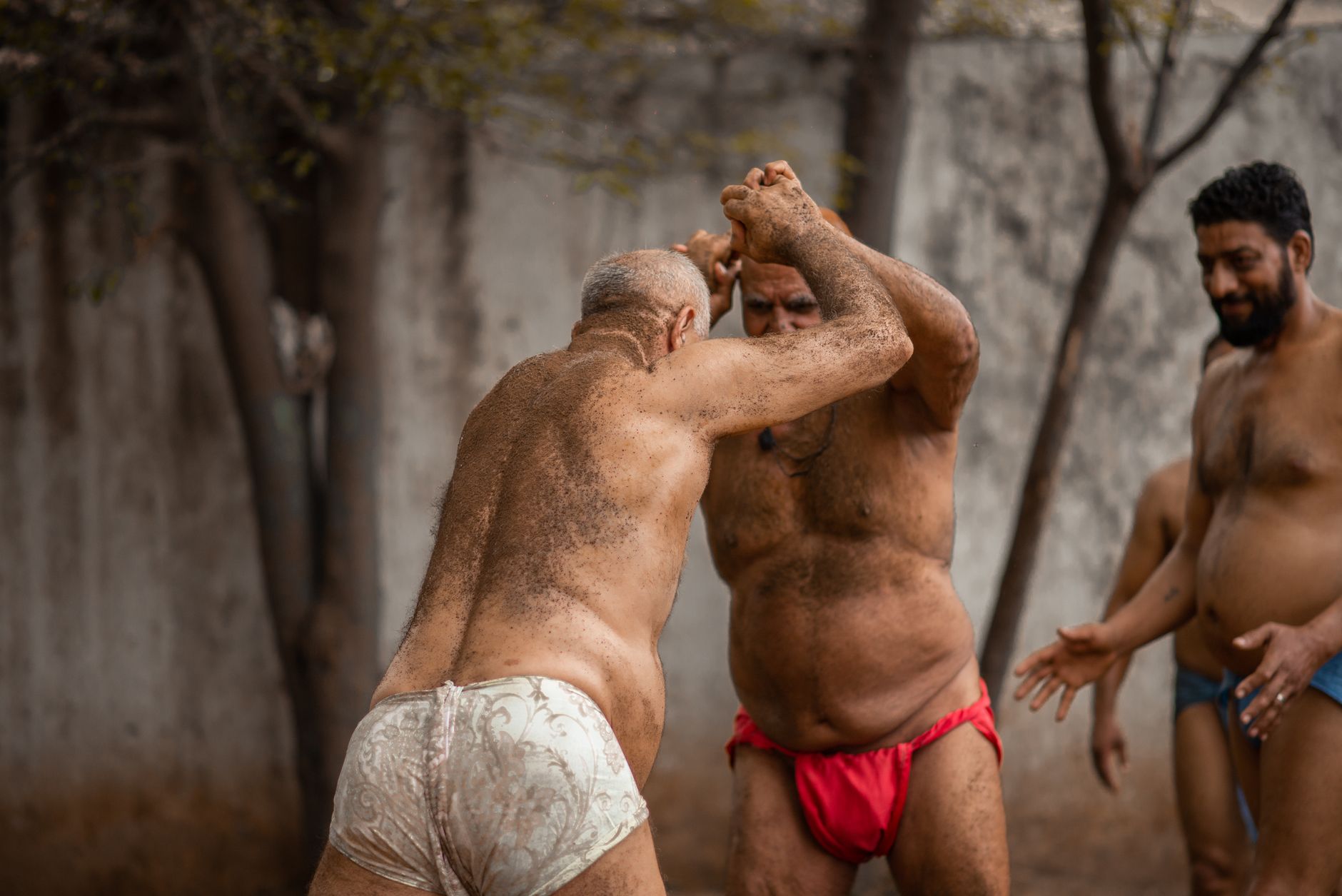
India secured the men’s kabaddi gold at the Asian Games in Nagoya after a tense final against Iran, and the victory marked the second continental title for raider Aslam Inamdar. The win not only added another medal to his collection but also highlighted a personal narrative that began with a 14‑year‑old boy sleeping on train seats, cleaning public toilets and selling juice to stay in the sport he loved.
Early hardships and first steps in kabaddi
Inamdar grew up in Takli Bhan, a village in Maharashtra’s Ahilyanagar district, as one of five children. His father died when he was young, leaving his mother to support the family by doing household chores and washing utensils for other homes. The family lived in a house lacking proper flooring or a roof, and food was often scarce. To survive, the future star began collecting discarded bottles at the age of eleven or twelve, selling them to scrap dealers to buy meals.
Beyond bottle‑selling, he took on a variety of low‑paid jobs: washing dishes, cleaning washrooms, working on farm fields, and even selling tea and juice at local stalls. He admits that on some occasions he stole food simply to fill his stomach, emphasizing that “it was just to fill my stomach. I faced many hard situations without letting them break me.”
Despite the relentless need to work, kabaddi remained a constant. Influenced by his elder brother Waseem, a well‑known player in several districts, and senior player Rahul Bhor, Inamdar practiced whenever he could, regardless of the time of day. The sport required minimal equipment—just a village ground—and offered a rare avenue for a child with limited resources to earn a modest income.
By the time he was fourteen or fifteen, Inamdar was traveling alone across Maharashtra to compete in the 50 kg and 55 kg weight categories. Tournament winnings ranged from ₹200 to ₹500 per match, enough to buy a meal but insufficient for long‑term security. Nevertheless, each win kept him moving from one event to the next, reinforcing his resolve to pursue the game.
Breakthrough in the Pro Kabaddi League and first Asian Games gold
Inamdar’s fortunes changed dramatically with the advent of the Pro Kabaddi League (PKL). In his debut season, he earned ₹8 lakh—a sum he described as feeling “like eight crore” compared with his earlier earnings. The windfall allowed him to purchase a gold necklace for his mother, a symbolic gesture of gratitude for the sacrifices she had made.
His performances for Puneri Paltan soon earned him a reputation as one of India’s leading raiders, and his growing stature led to selection for the national team. At the Asian Games in Hangzhou, Inamdar captured his first gold medal, confirming his arrival on the international stage.
Even after that triumph, his journey was not without setbacks. In 2014, while India competed at the Asian Games, Inamdar was sidelined at home with a fractured leg, watching the competition on television. He reflected that “God’s plans are always better” and that his hard work never stopped, even during the injury lay‑off.
Back‑to‑back gold in Nagoya and future mentorship
The 2026 Asian Games in Nagoya offered Inamdar a chance to repeat his success. In the gold‑medal match against Iran, India held a narrow lead when Inamdar executed a daring raid deep into the Iranian half. His teammate Pawan Sehrawat later described the decision as “a bad decision,” but Inamdar secured two touches and emerged unscathed, narrowing the gap and helping India clinch the title. After the match, Inamdar smiled and said, “It was a wrong move, but ant bhala toh sab bhala (if the end is good, it’s all worth it).”
He recalled the pressure of that moment, noting that he had “gone through things you wouldn’t even imagine. This is nothing.” The victory marked his second Asian Games gold, a milestone he described as feeling “like a dream.” He reflected on his past, saying, “I often think about how someone who didn’t even have food at home holds two international medals.”
Iran has long been India’s toughest opponent in Asian Games kabaddi, featuring experienced players such as Fazel Atrachali, who was contesting his fifth Games. Inamdar acknowledged the challenge, stating, “Iran is generally the most challenging opponent for us… a tough challenge makes winning the gold medal feel even more rewarding.”
Beyond his personal achievements, Inamdar now devotes time to mentoring young, under‑privileged players at a training ground in Thane. He shares his story openly, urging aspiring athletes to “dream big and aim to achieve even more than I have,” and emphasizing that “whatever happens, they shouldn’t stop working hard. They shouldn’t stop believing.”
From a childhood of sleeping on train seats and cleaning public restrooms to standing atop the podium in Nagoya, Aslam Inamdar’s ascent underscores the transformative power of sport in India’s socio‑economic landscape. His journey, marked by relentless labor, modest earnings, and eventual national glory, now serves as a roadmap for the next generation of kabaddi talent from disadvantaged backgrounds.





Be First to Comment