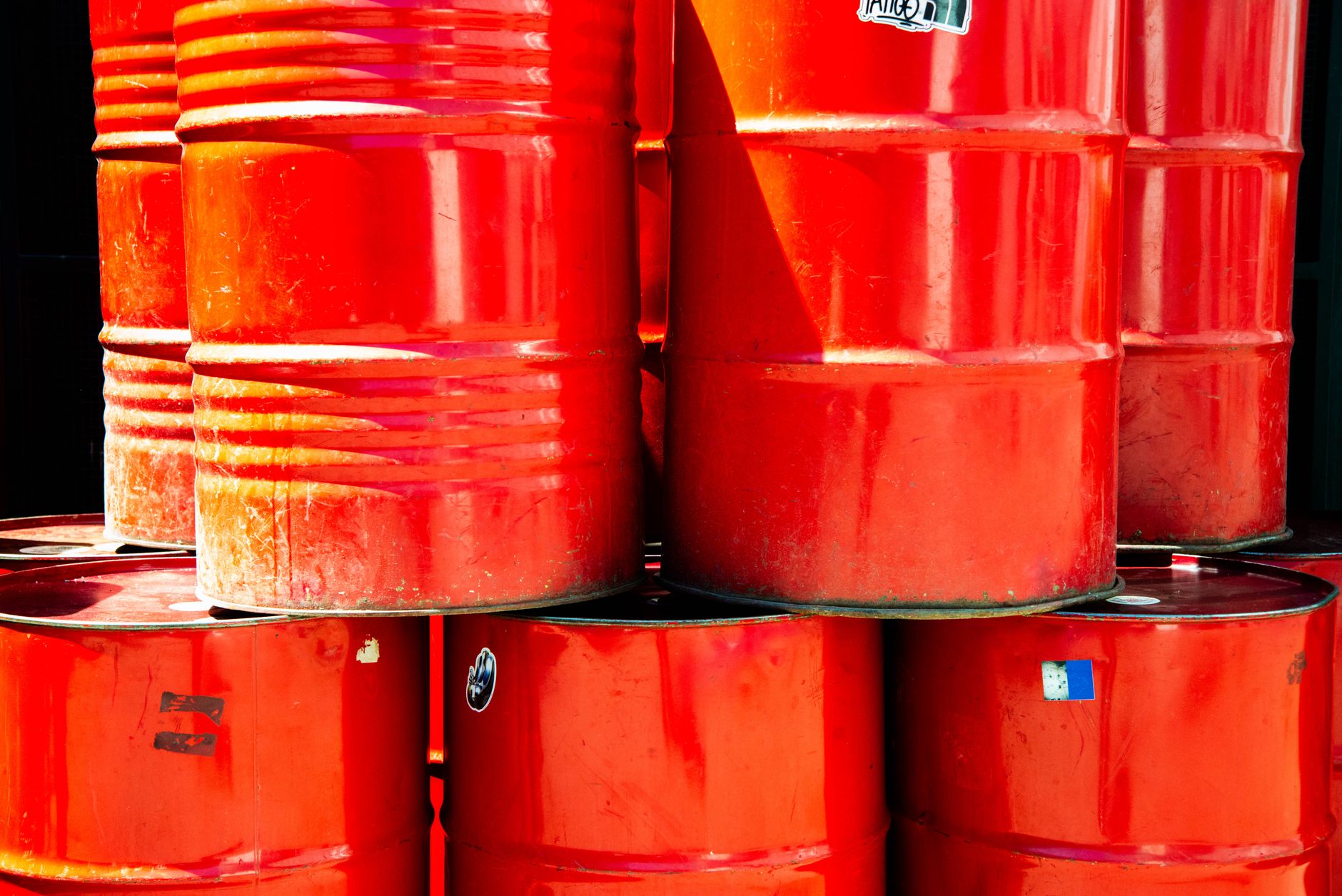
Talk of a temporary ban on United States diesel fuel exports, floated as a way to curb record pump prices, has drawn sharp criticism from energy officials and market analysts who say the measure could instead lift all fuel prices, strain refinery operations and create a domestic oversupply.
Proposed Export Ban and Immediate Reactions
Retail diesel in the United States recently surged to an all‑time high of more than $6.50 per gallon, a spike linked to a global supply crunch that has spurred higher U.S. shipments to overseas markets, especially Europe. In response, some legislators have suggested a short‑term export prohibition, and President Trump signaled support for the idea.
Energy Secretary Chris Wright cautioned that the approach would be a “blunt tool” with unintended fallout. He warned, “If you can’t export the diesel that comes out of our refineries, you run out of places to store it, and you have to reduce US refining, which would put upward pressure on gasoline prices and jet fuel prices.”
Potential Market Impacts
Wood Mackenzie, a global energy consultancy, echoed the secretary’s concerns in a note released on Thursday. The firm warned that a ban would quickly saturate existing storage capacity, forcing a sharp cut in refinery runs and ultimately raising the volume and cost of gasoline imports. In the consultancy’s view, the cost burden could shift from diesel to gasoline at the pump.
The analysts quantified the effect of a 90‑day export ban, estimating that roughly 700,000 barrels of diesel and gasoil would be redirected to storage each day. That volume would max out available storage in just over a month, compelling refiners to trim run rates by about 2 million barrels daily. The reduction in refinery throughput would also curtail gasoline production, although the same amount of crude could be exported in place of the diesel.
While higher crude exports might, in theory, depress crude oil prices, the scenario is complicated by limited refining capacity abroad. China is identified as the only major market with spare capacity that could absorb the loss of U.S. refinery output, but the country may choose not to fill that gap. Europe, meanwhile, faces a pronounced shortage of refining capability, which has driven its reliance on U.S. diesel shipments.
Wood Mackenzie’s senior vice‑president for refining, chemicals and oil markets, Alan Gelder, highlighted the paradox of the proposal. “The irony of a US diesel export ban is that it would likely increase costs for American consumers,” he said. “Cutting crude runs to manage the oversupply would shift the cost burden from diesel to gasoline, meaning a policy designed to bring relief at the diesel pump could end up driving prices higher at the gasoline pump.” He added that China’s spare capacity is material but not guaranteed to be deployed.
Broader Global Context
The export‑ban discussion has already influenced U.S. crude oil pricing. West Texas Intermediate (WTI) is trading at a $12 discount to Brent, even as both benchmarks have posted gains following President Trump’s rejection of Iran’s peace‑deal proposal at the United Nations General Assembly.
Normally, a weaker domestic crude price would spur demand for U.S. barrels, but limited refining capacity in key overseas markets and rising freight and insurance costs are disrupting that relationship. Freight rates have surged because of a shortage of tankers, and insurance premiums have risen due to heightened war risk in the Middle East. According to data from Signal Maritime cited by Reuters, a VLCC (very large crude carrier) trip from the Gulf Coast to Asia now costs about $50 million, up from $16 million before the United States‑Israeli conflict with Iran began at the end of February.
U.S. refineries produce roughly 5.1 million barrels of diesel each day. Of that output, about 1.2 million barrels are exported, while domestic consumption averages around 3.6 million barrels daily, according to JP Morgan data. In theory, this balance should meet both home‑market needs and export commitments. However, because crude oil and diesel markets are globally integrated, price movements abroad reverberate domestically. Analysts conclude that even a short‑term ban could do more harm than good for the consumers it intends to protect.
In sum, while the idea of restricting diesel shipments seeks to alleviate record pump prices for American drivers, the consensus among energy officials and market analysts is that the policy could backfire. By filling storage, curbing refinery runs and shifting the cost burden to gasoline and jet fuel, a diesel export ban may ultimately raise overall fuel costs for U.S. consumers.






Be First to Comment