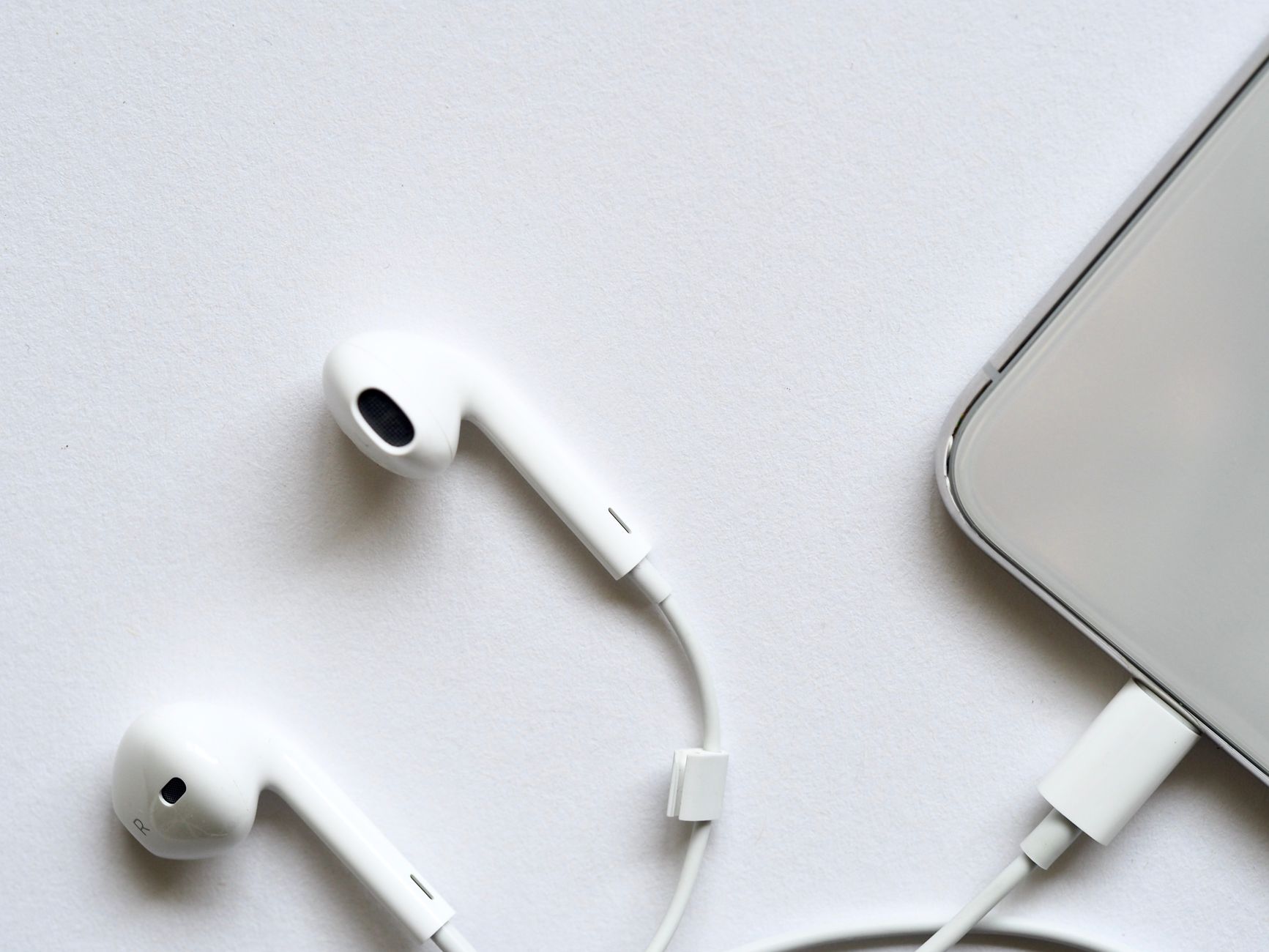
On September 28, Bose announced a new pair of wired earbuds, the company’s first such product since 2015. Priced at $99 (approximately ₹9,500), the earbuds connect via USB‑C, feature active noise cancellation, support lossless audio and include an inline remote. Unlike most modern headphones, they contain no internal battery, require no Bluetooth pairing and do not rely on a companion app.
Bose’s new wired offering
The refreshed earbuds replace the traditional 3.5 mm jack with a USB‑C connector, allowing them to draw power directly from the source device. This design eliminates the need for a rechargeable battery while still delivering active noise cancellation and high‑resolution audio. An inline remote provides call controls, and the earbuds are marketed as a plug‑and‑play solution for users who prefer a wired connection.
Bose President of Consumer Audio Raza Haider explained the timing of the launch to WIRED. He said that after dropping his teenage child off at college last year, he observed a noticeable presence of wired earbuds “left and right,” suggesting a shift in consumer habits that prompted Bose to revisit the category.
Cultural cues and market data fuel revival
Wired headphones have been surfacing in street‑style photography for several years, with celebrities such as Bella Hadid photographed wearing Apple’s wired EarPods in 2019 and other stars like Lily‑Rose Depp and Zoë Kravitz later spotted with similar gear. The trend moved beyond fashion when pop‑star Addison Rae released her 2025 single “Headphones On,” featuring a music video where she prominently wears wired earbuds, embedding the look into contemporary pop culture.
Artists have also voiced practical reasons for the preference. In an interview with Vogue, singer Dua Lipa said she favors wired headphones because they eliminate the need for charging. Irish actor Paul Mescal offered a more functional perspective, noting that wireless headphones often fall out of the ears, making wired options more reliable for him.
Market research from Circana supports the anecdotal evidence. After five consecutive years of decline, wired headphone sales grew 3 % in 2025, with a 10 % increase between July and December of that year. In the first six weeks of 2026, revenue from wired headphones rose another 20 %. The average selling price for wired headphones in 2025 was about $13 (roughly ₹1,250), compared with $99 (about ₹9,500) for Bluetooth models.
Product pricing illustrates the breadth of the category. Apple’s USB‑C EarPods are priced at ₹2,190 in India, while Sony’s basic MDR‑EX15AP wired earphones carry an MRP of ₹890. Bose’s new model, by contrast, sits at the high end of the market at $99, positioning it as a premium wired option with advanced features such as active noise cancellation.
Industry context: wired versus wireless
Despite the renewed interest in wired solutions, true‑wireless headphones remain dominant. Circana reported that in 2025, true‑wireless devices accounted for 65 % of all headphone dollars, underscoring that the wired resurgence is complementary rather than a reversal of the wireless trend.
Other manufacturers are also exploring USB‑C wired designs. Sennheiser’s CX 80 U adopts a similar plug‑and‑play approach, offering a wired connection without Bluetooth pairing or charging requirements. These products demonstrate that the industry is leveraging modern connectors to modernize a legacy format.
The cable, however, still presents practical drawbacks. Users can experience tangling, and the physical link to the source device can limit mobility. Analysts therefore view the current wave as a niche revival driven by specific consumer preferences—such as the desire for battery‑free operation, lower price points, and a retro aesthetic—rather than a wholesale shift away from wireless technology.
Overall, Bose’s re‑entry into the wired earbud market reflects a confluence of cultural signals, pricing dynamics, and technological updates. By pairing a classic wired form factor with contemporary features like USB‑C connectivity and active noise cancellation, the company aims to capture both nostalgia‑driven buyers and practical users seeking a straightforward listening experience.



Be First to Comment