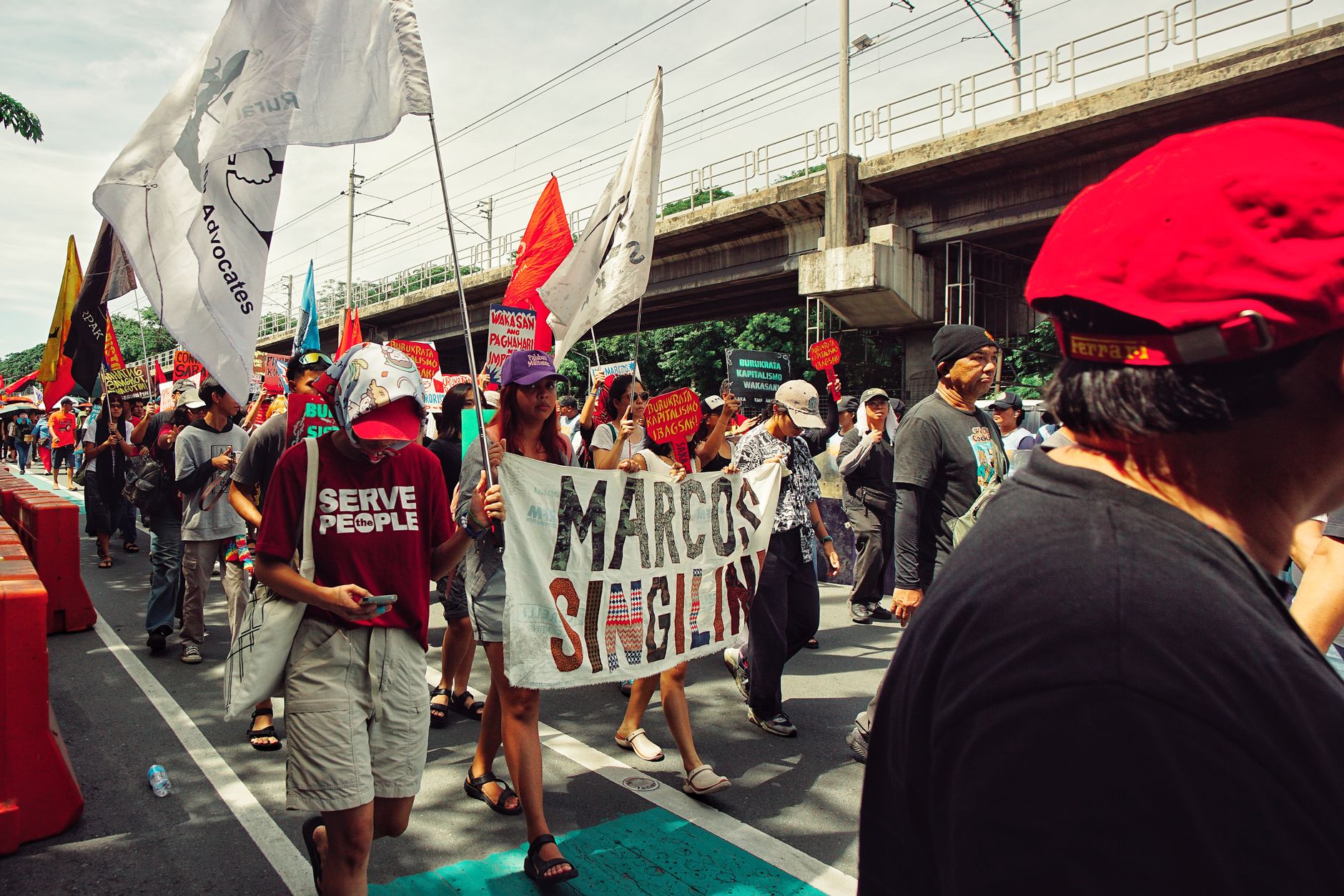
On September 30, 2026, the INDIA bloc – a coalition of 19 opposition parties – disclosed a nationwide agitation schedule that will commence on Friday, October 2. The plan, described as a “graded agitation,” incorporates protest marches at district headquarters, public meetings, a rally to the Election Commission headquarters and a joint appeal to the Chief Justice of India for fast‑track hearings on cases linked to the Special Intensive Revision (SIR) and alleged electoral irregularities.
Nationwide protest agenda
The bloc’s agenda calls for “Save Democracy” marches in every district across the country between October 2 and October 8. The proposal, initially put forward by Dipankar Bhattacharya, general secretary of the CPI(ML), faced resistance from a few leaders who raised state‑specific political concerns. Senior Congress figures, including Sonia Gandhi and Rahul Gandhi, later endorsed the marches, clearing the way for a coordinated district‑level demonstration.
On October 6, opposition Members of Parliament are slated to converge on the Election Commission’s headquarters in a coordinated march. While some participants had preferred an earlier date, the final schedule was set to allow the maximum number of MPs to join the action.
Beyond the district marches, the alliance will stage five major rallies during October and November, with one scheduled for Delhi on November 1. The bloc also intends to seek a formal audience with the President of India to brief the head of state on what it describes as “constitutional hurdles” being created by the government.
Key leaders and legal challenges
The October‑2 agenda emerged from a three‑and‑a‑half‑hour meeting attended by 33 leaders representing the 19 parties in the INDIA bloc. Independent Member of Parliament and senior Supreme Court advocate Kapil Sibal participated virtually and put forward a legal strategy targeting the Chief Election Commissioner (CEC) and other Election Commissioners under the Appointment, Conditions of Service and Term of Office Act, 2023.
The 2023 legislation grants blanket immunity to the CEC, stating that “notwithstanding other laws, no court could entertain or continue civil or criminal proceedings against a person who was or had been CEC/EC for an act, thing, or word committed, done, or spoken while discharging official duty or function.” Sibal urged that this immunity be challenged in court and recommended extending legal action to other Election Commission officials, citing Seema Khanna, Director General (IT) at the ECI, as a key figure in the rollout of the SIR.
Most of the bloc’s leaders backed Sibal’s recommendation. However, concerns were raised about the Supreme Court’s willingness to hear related pleas. Uddhav Thackeray, leader of Shiv Sena (UBT) and former Maharashtra chief minister, joined the meeting virtually and referenced the Chief Justice of India’s observation that earlier petitions concerning the SIR in West Bengal were dismissed as “only by‑elections.”
Congress president Mallikarjun Kharge emphasized unanimity among the participants, stating at a press conference that “everyone vowed to fight together.” He accused Prime Minister Narendra Modi and Home Minister Amit Shah of turning the Election Commission into a “puppet” that enables the ruling party to “steal votes.” Rahul Gandhi, the Leader of the Opposition in the Lok Sabha, echoed these accusations, claiming that democratic institutions were under assault by the BJP, Modi, Shah and CEC Gyanesh Kumar. Gandhi pledged that the bloc would not accept the situation passively and vowed to hold senior officials accountable, asserting that “Indian democracy is bigger than every single person in this country.”
Political dynamics and participation
The meeting also touched on broader coalition dynamics. While the bloc did not specifically mention the Cockroach Janata Party, leaders agreed to reach out to civil society groups and secular parties outside the INDIA alliance.
Notable absences included the Dravida Munnetra Kazhagam (DMK), which declined to share a stage with Congress after the latter shifted support to the TVK following the Tamil Nadu Assembly elections. Samajwadi Party president Akhilesh Yadav missed the meeting due to Rajya Sabha elections in his state, and Jharkhand Chief Minister Hemant Soren participated only virtually.
Represented parties spanned a wide ideological spectrum: the Indian National Congress, Samajwadi Party, All India Trinamool Congress, Nationalist Congress Party (Samajwadi), Shiv Sena (UBT), Rashtriya Janata Dal, Communist Party of India (Marxist), Communist Party of India, National Conference, People’s Democratic Party, Jharkhand Mukti Morcha, CPI(ML), Indian Union Muslim League, Kerala Congress (M), Marumalarchi Dravida Munnetra Kazhagam, Viduthalai Chiruthaigal Katchi, Revolutionary Socialist Party, Kerala Congress (J) and All India Forward Bloc.
Jammu and Kashmir Chief Minister Omar Abdullah expressed concern that requests for a presidential audience are often declined or that the President’s office limits the size of delegations, highlighting the challenges the bloc may face in securing a formal briefing.
In summary, the INDIA bloc’s upcoming “Save Democracy” campaign combines mass mobilization, legal action and attempts at high‑level institutional engagement. The coordinated schedule of district marches, a parliamentary march to the Election Commission, and a series of national rallies underscores the opposition’s resolve to contest what it perceives as electoral malpractice and the erosion of democratic safeguards.



Be First to Comment