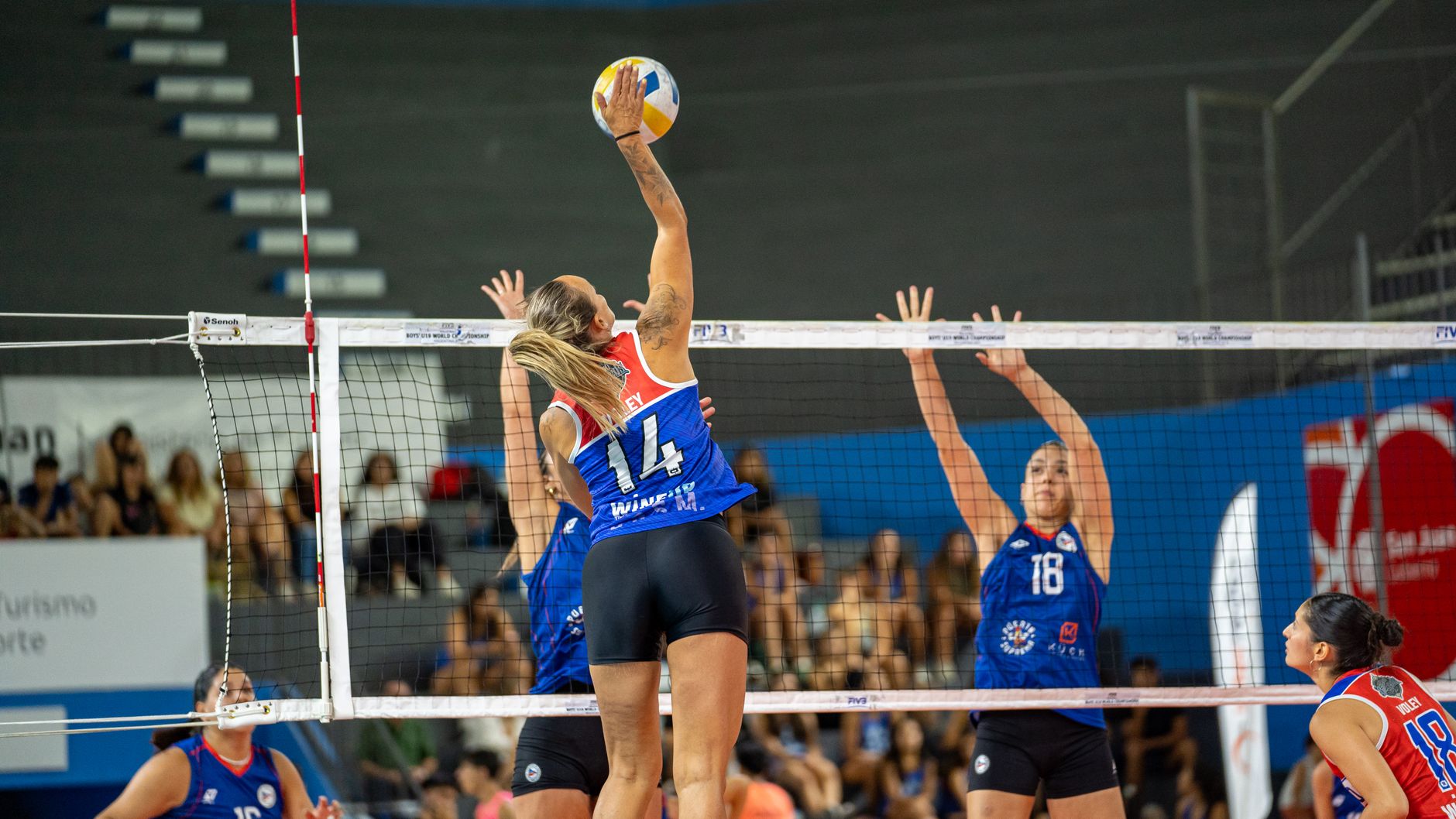
Pakistan secured a place in the semifinals of the 2026 Asian Games volleyball tournament after a dominant 3-0 victory over India in the quarterfinal round. The match, played on October 1, 2026, saw Pakistan take the first two sets 25‑19 and 25‑23 before closing out the third set 22‑14, eliminating India from medal contention.
Key performances and statistics
The standout of the encounter was Pakistan’s outside hitter Murad Khan, who amassed 19 points by converting 18 of his 33 spike attempts – a conversion rate of more than 50 %. His aggressive play set the tone for the Pakistani side throughout the match. India’s top scorer was Ashwal Rai, who managed nine points, the highest total for his team.
Overall efficiency favored Pakistan. The team recorded 50 successful spikes out of 83 attempts (61 % conversion), 6 blocks from 31 attempts (20 %), and 17 digs from 44 attempts (39 %). By contrast, India managed 33 spikes from 81 attempts (41 %), 4 blocks from 44 attempts (10 %), and 7 digs from 28 attempts (25 %). The disparity in attacking efficiency was evident early and persisted through all three sets.
Set‑by‑set breakdown
In the opening set, Pakistan established a lead early, with Murad Khan opening the scoring with a powerful smash. India responded with a point from Joel Benjamin, but Pakistan quickly reclaimed the advantage through a series of blocks and smashes from players such as Afaq Khan and Hamid. The set concluded at 25‑19 in favor of Pakistan.
The second set was more closely contested. India saved a set point when Ashwal Rai delivered a smash, but Pakistan’s Usman answered with an outside smash that gave Pakistan the edge. A series of tight rallies saw the score oscillate, but Pakistan’s higher spike accuracy (35 of 57 attempts, 62 %) helped them secure the set 25‑23.
The deciding third set saw Pakistan maintain momentum. Early on, Murad Khan continued his dominance, adding points with both smashes and a dipping serve. India’s Joel Benjamin managed a few points, yet Pakistan’s block and dig counts kept India under pressure. The final score of 22‑14 reflected Pakistan’s control, with Murad Khan again contributing crucial points in the closing moments.
Turning points and tactical notes
Several moments shifted the match’s dynamics. A service fault by India’s Joel Benjamin in the first set gave Pakistan a series of match points, which India briefly saved before a decisive smash by Ashwal Rai landed in the net, ending the match. Timeouts called by both teams at critical junctures did not alter the overall flow, as Pakistan’s consistency on the attack outweighed India’s sporadic bursts.
Reviews also featured in the match. India challenged a point after a block by Hamad, but the review upheld Pakistan’s claim. Conversely, Pakistan successfully challenged a call that the ball had touched the antenna, gaining two points at the start of the second set.
Defensive statistics highlighted Pakistan’s superior digging and blocking. With 17 digs compared to India’s seven, Pakistan was better able to convert opponent attacks into counter‑offensives. Block counts (six for Pakistan, four for India) further emphasized the Pakistani side’s ability to disrupt Indian spikes.
Overall, the match underscored Pakistan’s efficient attacking play and disciplined defense, while India’s lower spike accuracy—only 38 % (11 of 29) in the early phases—limited their ability to mount a comeback.
With the quarterfinal win, Pakistan moves on to the semifinals, keeping its hopes alive for a podium finish. India, meanwhile, sees its quest for a first Asian Games volleyball medal postponed, as the team reflects on a performance that fell short against a well‑executed Pakistani side.





Be First to Comment