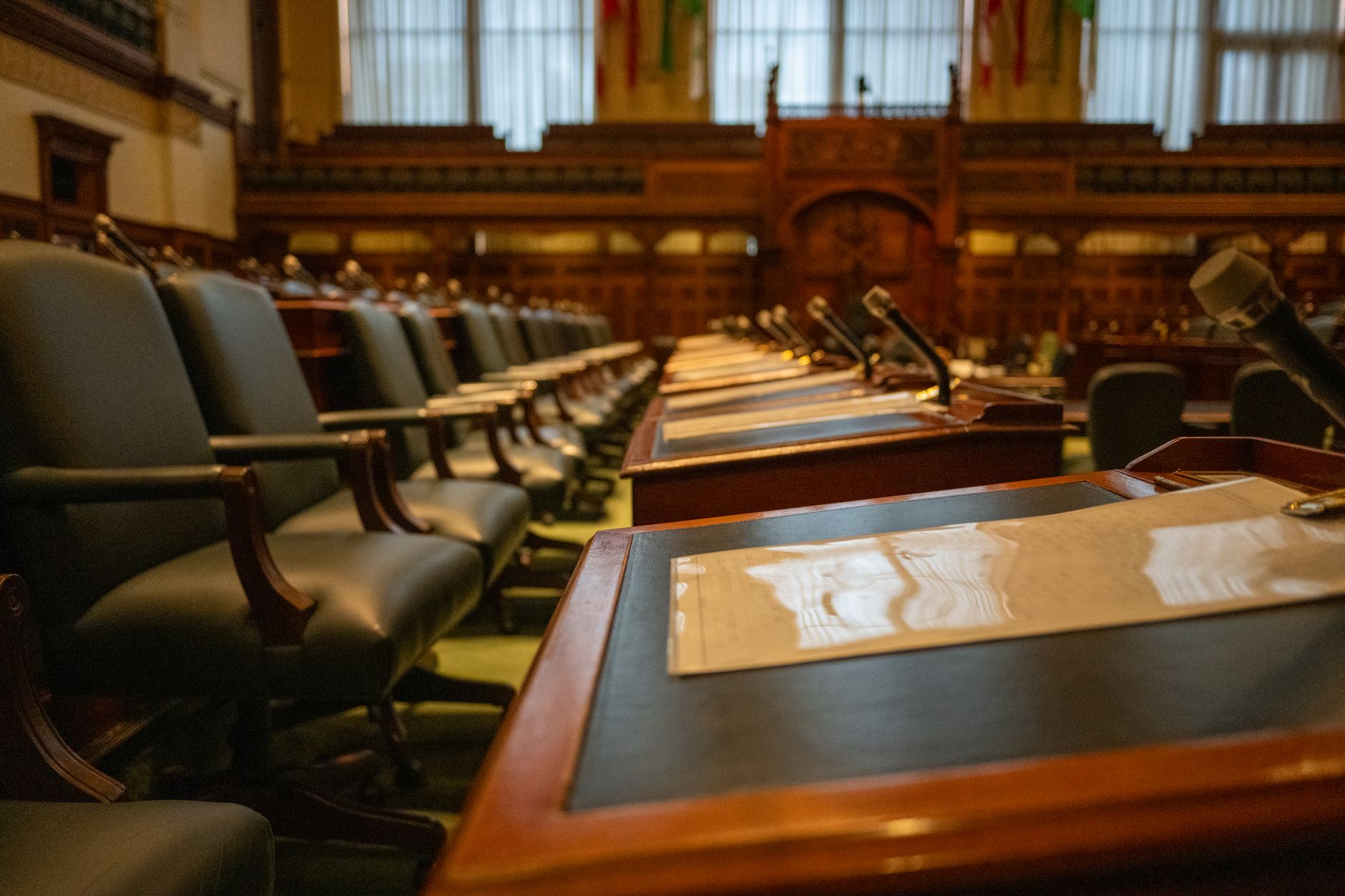
Senior Advocate Kapil Sibal has publicly denounced a proposed briefing of the Chief Justice of India and other sitting Supreme Court judges by a joint parliamentary committee examining two constitutional amendment bills. In a press conference held today, Sibal described the planned interaction as “unprecedented” and a violation of the constitutional separation of powers.
Proposed meeting and its context
The Joint Parliamentary Committee (JPC) was set up to scrutinise the Constitution (One Hundred and Twenty‑Ninth Amendment) Bill, 2024 and the Union Territories Laws (Amendment) Bill, 2024. Both pieces of legislation aim to create a framework for conducting simultaneous elections to the Lok Sabha and state legislative assemblies, a reform that would require changes to the Constitution.
According to Sibal, the committee had scheduled a discussion with the Chief Justice of India and other Supreme Court judges for 6 October. The revelation was made during a press briefing, where Sibal questioned the propriety of inviting the country’s top judicial officers to be briefed on the bills before the committee had even finalised its report.
Legal objections raised by Kapil Sibal
Sibal argued that the arrangement undermines the established constitutional order, wherein Parliament enacts statutes and the judiciary later reviews their validity. He pointed out that the proposed meeting would involve judges being briefed on the content and implications of the bills before they are passed, and that the same judges could later be called upon to adjudicate challenges to those very amendments.
“How can a joint committee have the courage to ask the Chief Justice of India to give them an audience for the purpose of briefing the judges on the terms of the Bill, even before the committee has finalised its report?” Sibal asked. He added that the judiciary, by accepting the invitation, would be pre‑emptively involving itself in a legislative process that may later be subject to judicial review.
Describing the step as a breach of the separation of powers, Sibal said that no such pre‑legislative interaction between a parliamentary committee and sitting Supreme Court judges has ever occurred in India’s history. He warned that the proposed amendments could have “huge consequences for the polity of the country” and are likely to attract legal challenges.
Expressing personal shock, Sibal said, “This is a joke on the Constitution. I am shocked, disturbed and dismayed.” He characterised the move as “entirely unconstitutional” and a matter of concern not only for lawyers but for the broader public.
Committee’s consultation process
The joint parliamentary committee is chaired by BJP Member of Parliament P.P. Chaudhary. Since its inception, the committee has sought input from a wide range of stakeholders, including political parties, legislators, constitutional scholars and former judicial officers. It has previously disclosed that it consulted former chief justices of India, retired Supreme Court judges and other legal experts on the constitutional ramifications of synchronising elections.
While consultations with retired judges are routine, Sibal stressed that discussions with sitting judges differ fundamentally because those judges could become the adjudicators of any future challenge to the amendments. The distinction, he argued, makes the proposed meeting a matter of unprecedented gravity.
Content of the bills and broader debate
The two bills under review seek to amend the Constitution to allow for the simultaneous holding of general elections to the Lok Sabha and the legislative assemblies of the states. Proponents argue that synchronised elections could reduce the frequency of polls, cut costs and provide greater stability to governance.
However, critics have raised concerns about federalism, the tenure of legislatures, the possibility of premature dissolution of elected bodies and the impact on the “basic structure” doctrine that safeguards core constitutional principles.
Given the magnitude of the proposed changes, Sibal warned that the bills are likely to be contested in the courts once enacted. He questioned why the Chief Justice of India would entertain a briefing that could be perceived as compromising judicial independence.
Supreme Court clarification
Following the publication of the committee’s report, sources within the Supreme Court clarified that the meeting with the committee is not taking place. This clarification came after media reports suggested that the judges would meet the committee on the scheduled date.
The episode has sparked a broader conversation about the appropriate boundaries between the legislative and judicial branches in India, especially when major constitutional reforms are on the table. While the committee continues its examination of the bills, the controversy underscores the sensitivity surrounding any perceived encroachment on judicial independence.
As the debate unfolds, stakeholders from across the political and legal spectrum are likely to keep a close watch on how the bills progress through Parliament and whether they ultimately face judicial scrutiny.




Be First to Comment