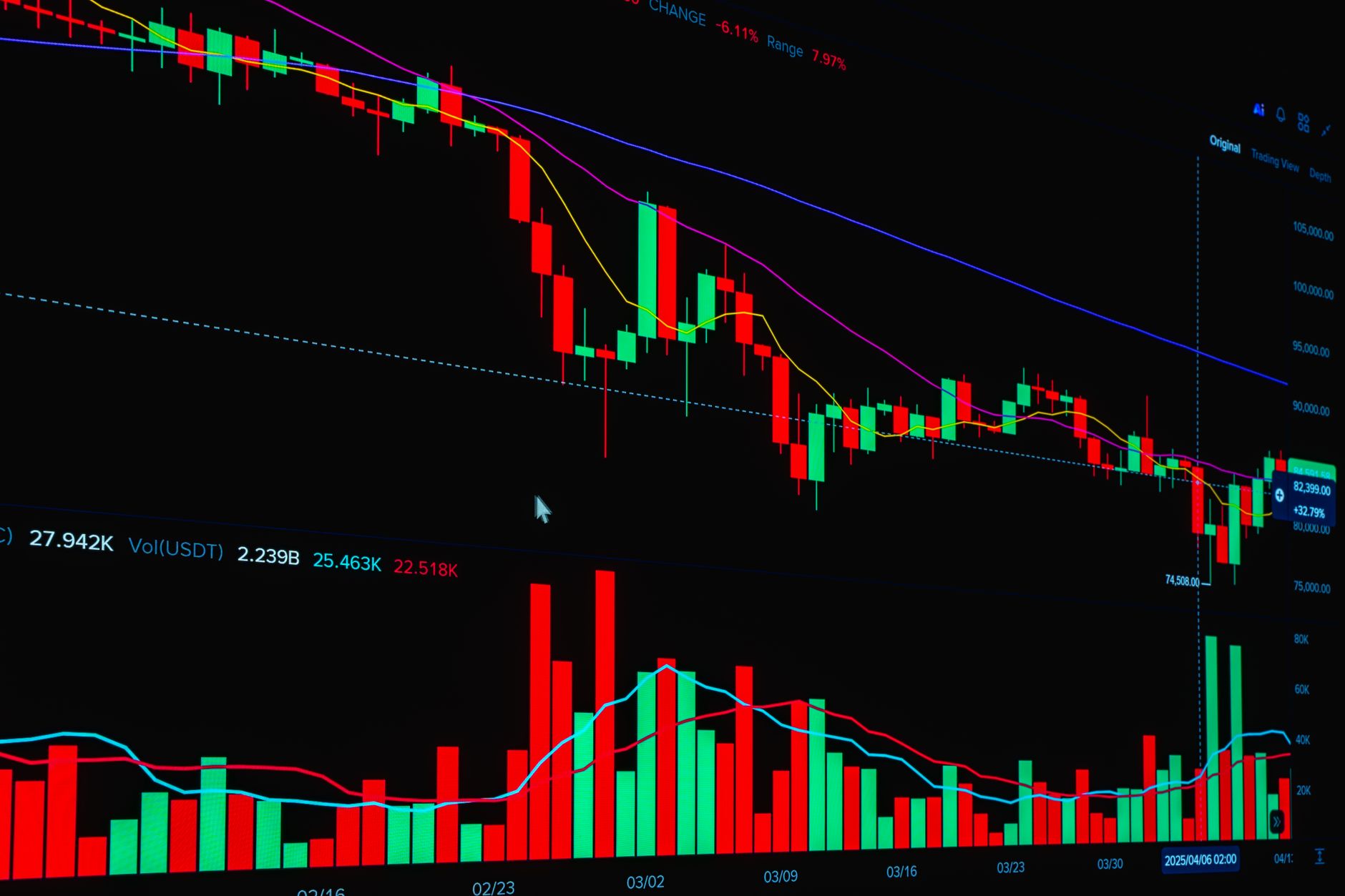
India’s benchmark Sensex slipped for the fourth consecutive trading day on Thursday, October 1, 2026, losing 570.59 points, or roughly 0.79%, to close at 71,909.70. The broader Nifty 50 index also moved lower, shedding 198.50 points, a decline of 0.88%, to finish at 22,421.95. The sell‑off was part of an eight‑week losing streak for the Nifty, the longest such run since 2001.
Market Overview and Broad Index Performance
Across the market spectrum, mid‑cap and small‑cap indices joined the headline declines. The Nifty MidCap 100 fell 1.01%, while the Nifty SmallCap 100 slipped 0.97%. In the 30‑stock Sensex composition, a number of heavyweight names underperformed, including Maruti Suzuki India, Mahindra & Mahindra, Tata Steel, Adani Ports, ITC, Power Grid and Hindustan Unilever. By contrast, information‑technology giants such as Infosys, Tata Consultancy Services, HCL Technologies, along with financial institutions HDFC Bank and Kotak Mahindra Bank, posted gains.
Sector‑Specific Moves
Sectoral performance was uneven. The Nifty Auto index emerged as the biggest laggard, dropping about 3.5% after a sharp correction. Other underperforming segments included media, metals and fast‑moving consumer goods, all of which recorded notable declines. In a rare upside move, the Nifty IT index rose 2.1%, providing a modest counterbalance to the broader bearish tone.
Within the Nifty 50, the most heavily weighted losers were Bajaj Auto, Maruti Suzuki India and Shriram Finance, each contributing to the overall drag on the index.
Technical Landscape
Technical indicators painted a grim picture for the Nifty. The index remained below both its 20‑day and 50‑day exponential moving averages, signaling a continued downtrend. Momentum measures such as the Relative Strength Index fell beneath the 25‑point threshold, reinforcing a bearish bias. The Moving Average Convergence Divergence (MACD) stayed in negative territory, while the Average Directional Index (ADX) rose, indicating that the strength of the downtrend was still elevated.
Analyst Sudeep Shah, vice‑president of technical and derivatives research at SBI Securities, identified the 22,250–22,220 range as the immediate support level, reflecting the low recorded during the session. A break below this zone could open the path to further declines toward the 22,130 mark. On the upside, resistance was seen near the 22,600–22,620 corridor; a decisive move above this band might trigger a short‑term rally toward 22,750.
External Drivers and Analyst Commentary
Commentary from market observers highlighted a confluence of external pressures. Vinod Nair, head of research at Geojit Investments, noted that bond yields have climbed to multi‑year highs while crude‑oil prices stayed elevated, stoking concerns about the macroeconomic outlook for the 2026‑27 fiscal year. Domestically, investors remained cautious ahead of the second‑quarter earnings season and an upcoming Reserve Bank of India (RBI) policy meeting slated for the following week.
Nair added that earnings for the second quarter are expected to be softer than those of the first quarter, which had benefitted from lagged cost‑inflation effects that may not repeat. He suggested that the RBI could adjust its stance in response to persistent global inflationary pressures and the need to support the Indian rupee. Despite these headwinds, Nair emphasized that India’s economy remains resilient and well‑positioned to navigate the challenges.
From an investment‑strategy perspective, Nair advised long‑term investors to consider using the market’s weakness to accumulate positions gradually, while short‑term participants might adopt a wait‑and‑watch approach until clearer policy signals or stabilising global financial conditions emerge.
Overall, the combination of firm energy prices, volatile bond yields and lingering rate‑hike anxieties kept sentiment subdued, reinforcing the bearish bias that has dominated Indian equity markets in recent weeks.






Be First to Comment