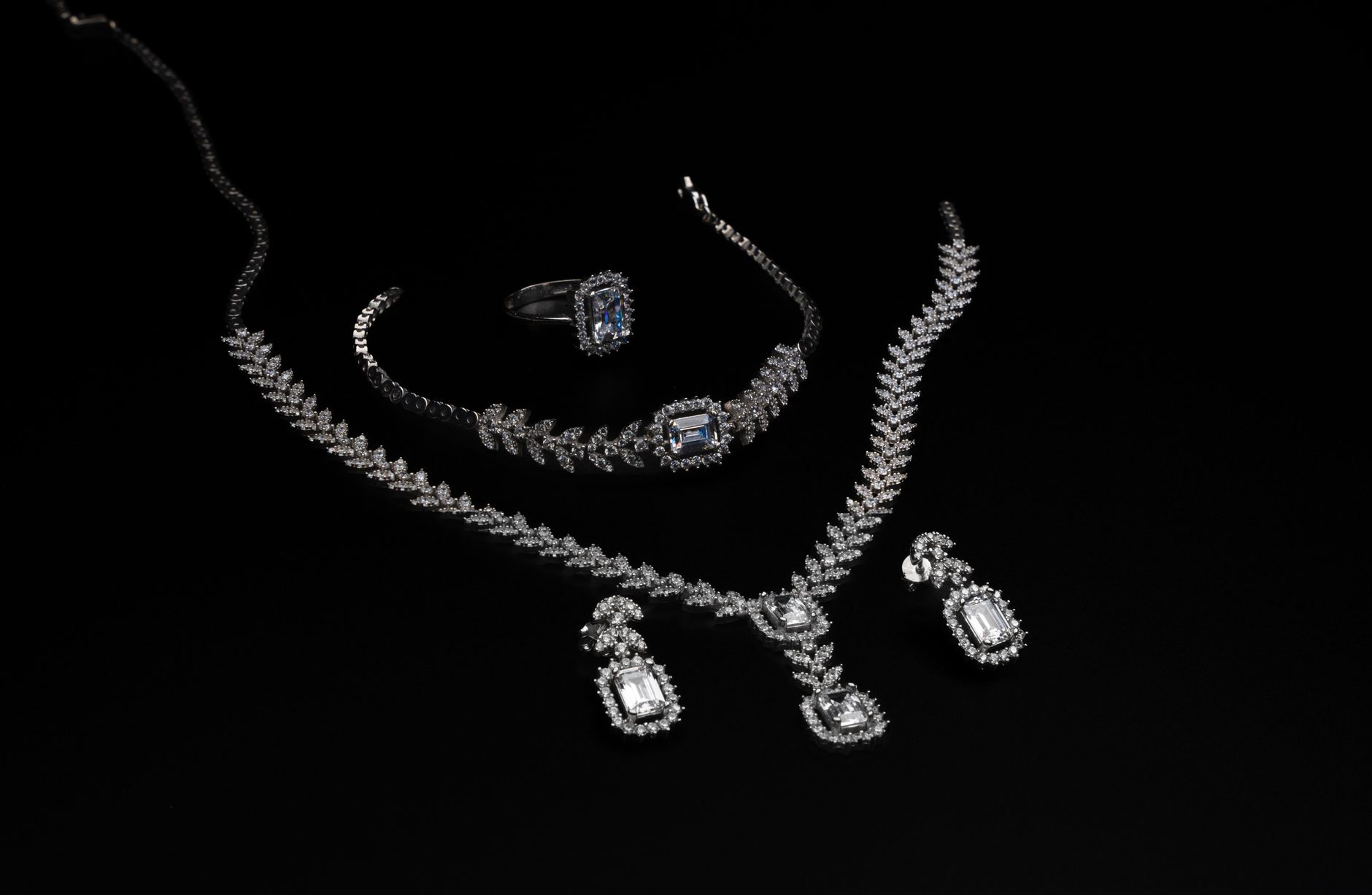
As India’s festive season begins with Navratri on October 11, a noticeable shift is occurring in the country’s jewellery market. Prices for 24‑karat gold remain steep, with 10 grams costing roughly Rs 1.5 lakh, prompting many middle‑class consumers to consider silver as a more affordable alternative. At current rates, the same amount of money would purchase about 650 grams of silver, whose price stands at approximately Rs 2.3 lakh per kilogram.
Affordability drives silver demand
The price differential is reshaping buying patterns. Silver, traditionally a secondary metal to gold in Indian jewellery, is now being viewed as a primary option for festive gifting. Industry observers note that the lower entry cost makes silver appealing to households that find gold out of reach. Some affluent buyers also see silver as an investment, hoping that its price could climb back toward Rs 4 lakh per kilogram.
Surendra Mehta, national secretary of the India Bullion and Jewellers Association, estimates that silver purchases during the Diwali period will increase by 17‑18 percent compared with the same period last year. This growth is expected to be reflected in the proportion of jewellery sales that feature silver, with several jewellers and an industry expert telling ET that silver’s share of festival‑season purchases will be larger than in previous years.
Jewellery traders pivot to silver
In response to changing consumer preferences, jewellers are expanding their product ranges to include a broader array of silver items, from traditional ornaments and religious idols to furniture pieces. One jeweller reported that silver now accounts for 25‑30 percent of total revenue, up from about 10 percent two years ago.
Nagesh Pachchigar, a third‑generation diamond jeweller based in Surat, highlighted the shift in his own business. He said he now earns more from silver than from diamonds, with the metal contributing up to 35 percent of his annual revenue. Pachchigar expects that 40 percent of his yearly silver sales will occur during the month‑long festive period that starts with Navratri, underscoring the metal’s growing importance.
Policy changes boost silver imports
Government policy has also facilitated the silver surge. After imposing import restrictions on silver in May to curb foreign‑exchange outflows, the government relaxed those rules in July. The change prompted a sharp rise in imports, with commerce ministry data showing that August imports exceeded $1 billion—a 127 percent increase over the same month a year earlier.
The influx of silver is helping to keep domestic supply steady, removing a potential bottleneck for jewellers seeking to meet heightened demand during the festive season.
Higher gold hallmarking fees raise fraud concerns
While silver enjoys a stable hallmarking charge of Rs 35 per article, gold’s hallmarking fee has risen from Rs 45 to Rs 75 per piece under the BIS (Hallmarking) Amendment Regulations, 2026, announced on September 14, 2026. The higher cost has sparked worries that some dishonest jewellers might resort to forged hallmark marks, especially in tier‑2, tier‑3 and tier‑4 cities where consumer awareness is lower.
The Gem and Jewellery Council (GJC) has appealed to consumer affairs minister Pralhad Joshi and the Bureau of Indian Standards to revert the gold hallmarking fee to its earlier level. Meanwhile, buyers can verify a Hallmark Unique Identification (HUID) number using the BIS Care mobile application, though many remain unaware of this option.
Overall, the combination of elevated gold prices, more affordable silver, relaxed import restrictions, and evolving regulatory costs is reshaping India’s jewellery market. Traders are betting heavily on silver to capture festive‑season sales, while policymakers grapple with the implications of higher hallmarking fees on consumer protection.




Be First to Comment