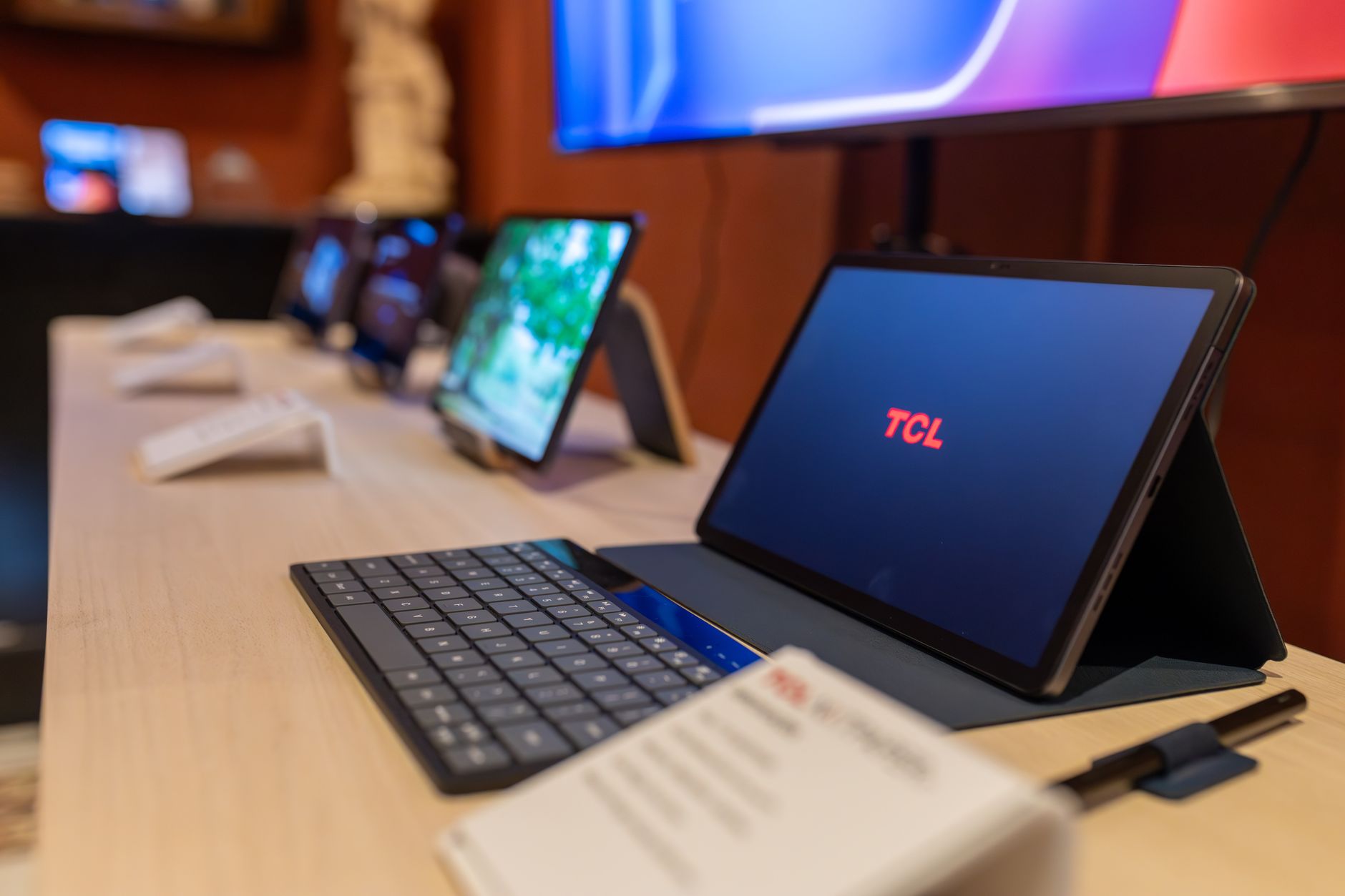
Samsung has launched the next iteration of its premium Android tablet, the Galaxy Tab S12 Ultra. The device preserves the hallmark 14.6‑inch Dynamic AMOLED 2X display and ultra‑thin 5.1 mm chassis that have defined the Ultra line, but it arrives with a higher entry price of $1,400, a $200 premium over the previous generation. The tablet will be sold in gray and silver starting on October 7 in selected markets.
Design and Display Continuity
Long‑time followers of Samsung’s oversized tablets will notice that the physical form factor is essentially unchanged. The S12 Ultra matches the dimensions, thickness and weight of the Tab S11 Ultra, tipping the scales at 692 grams. The front glass houses the same teardrop‑shaped cutout for the 12‑megapixel ultra‑wide front camera, reinforcing the sense of déjà vu.
The screen itself remains a 14.6‑inch Dynamic AMOLED 2X panel with a resolution of 2,960 × 1,848 pixels. It continues to support a 120 Hz refresh rate and can reach a peak brightness of 1,600 nits, which Samsung advertises as ideal for HDR content. In other words, the visual experience that earned the Ultra series acclaim is still the centerpiece of the new model.
Audio Upgrade and Core Performance
Where the S12 Ultra distinguishes itself is in its sound system. Samsung has upgraded the speaker array from a two‑channel setup to four independent speakers, enabling four‑channel spatial audio. Coupled with Dolby Atmos integration, the improvement should be audible when streaming movies or other media that include spatial mixes. Samsung has historically positioned its Ultra‑series speakers among the best in the tablet segment, second only to the display quality.
Under the hood, the tablet is powered by MediaTek’s Dimensity 9500 chipset, replacing the Dimensity 9300+ found in the S11 Ultra. Both chips are built on a 3 nm process, but the newer silicon delivers a 19 % uplift in CPU performance, a 17 % increase in GPU power, and a 61 % boost in NPU capability for AI‑related tasks. Buyers can choose between 12 GB or 16 GB of RAM, and storage options range from 256 GB up to 1 TB, with microSD support for an additional 2 TB.
To manage the added processing power, Samsung introduced a 3D vapor‑chamber cooling system. The solution is intended to spread heat more efficiently during prolonged gaming, video editing or other intensive workloads, helping to keep performance steady without making the tablet’s surface uncomfortably hot.
The battery capacity stays at 11,600 mAh, identical to the prior model, and the device continues to charge at 45 W. Samsung claims up to 23 hours of mixed‑use battery life on a single charge, with a full recharge taking roughly 95 minutes. While the endurance figure is competitive, the lack of faster charging is notable given the tablet’s higher price tag.
Software, Productivity Features and Pricing Context
Out of the box, the S12 Ultra runs One UI 9 on top of Android 17. Samsung has added several productivity‑focused features, such as multi‑desktop support in Samsung DeX, allowing users to extend their workspace across multiple external displays. The tablet also supports three‑way split‑screen multitasking, enabling three apps to run side‑by‑side. Throughout the UI, Galaxy AI tools are woven in to streamline common tasks.
The S Pen remains included at no extra cost, offering low latency and pressure sensitivity for note‑taking, sketching and document annotation. However, Bluetooth connectivity is still missing, meaning air gestures and remote‑control capabilities are unavailable, a limitation carried over from the previous generation.
Samsung bundles a suite of professional‑grade applications, including an S Pen‑optimized version of Adobe Photoshop, video‑editing software LumaFusion, digital‑art tool Clip Studio Paint, and note‑taking apps such as Notability and Goodnotes. Educational utilities like MyScript Math and Noteshelf 3 are also pre‑installed, and users receive a six‑month trial of Google AI Pro plus access to the Gemini Notebook app. Samsung values this software bundle at roughly $600.
Pricing is where the narrative becomes more complex. The base configuration—256 GB storage with 12 GB RAM—starts at $1,400, representing a $200 increase over the launch price of the S11 Ultra. Reviewers have described the S12 Ultra as an “on‑paper update,” noting that while the processor gains are real, they do not match the generational leaps seen in competing 2 nm chips from Apple or Qualcomm.
Samsung positions the tablet as a laptop replacement, leaning on its high‑quality display, DeX capabilities and the bundled software rather than raw horsepower. Compatibility with existing accessories, such as cases and keyboards designed for the S11 Ultra, eases the upgrade path for current owners.
The S12 Ultra is part of a broader S12 series that includes the slightly smaller Tab S12+, which features a 12.6‑inch screen and up to 21 hours of battery life. Both models share IP68 water and dust resistance, the 3 nm processor architecture and the new four‑speaker spatial audio system. Samsung has pledged seven years of operating‑system and security updates for the series, a commitment that adds long‑term value for buyers willing to invest at the premium price point.
Whether the $1,400 starting price is justified depends heavily on the buyer’s current device. Users of the S11 Ultra or S10 Ultra will see minimal differences—the chassis, display and overall look are identical, and performance improvements are modest. Those upgrading from older Ultra models, such as the S9 Ultra, will notice a more pronounced boost, but the cost remains a significant hurdle.
For a niche audience that demands a tablet with a laptop‑sized screen, a top‑tier AMOLED display and a robust set of creative and productivity tools, the Galaxy Tab S12 Ultra remains the most feature‑rich offering from a mainstream Android vendor. Samsung has not reinvented the tablet category; instead, it has refined a proven formula and asked consumers to pay more for the incremental enhancements.






Be First to Comment