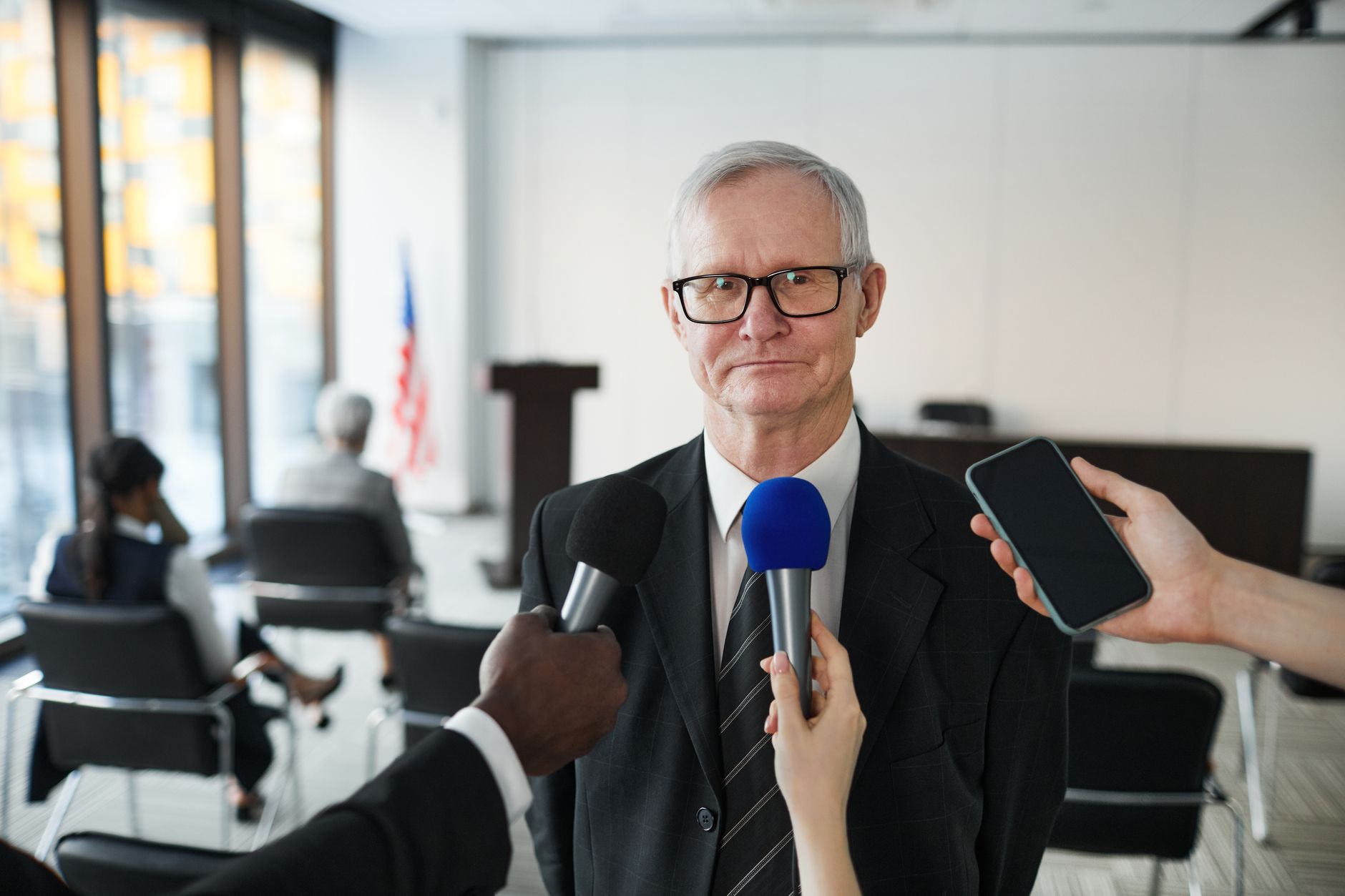
Gorakhpur, Uttar Pradesh – A Samajwadi Party (SP) press conference held on Saturday turned chaotic after former district president Nagina Sahni was allegedly slapped by Kamlesh Singh, the son of party leader Anshuman Singh. The incident, captured on video and later shared on social media, has prompted the party’s senior leadership to promise an internal review and has added another episode of physical confrontation to the state’s political landscape.
Background to the press conference
The gathering was convened by SP district president Brajesh Gautam at the Press Club in Gorakhpur at approximately 2.45 p.m. Gautam intended to brief journalists on the party’s upcoming “Loktantra Bachao Saptah” campaign, scheduled to run from October 2 to October 8. The campaign, whose name translates to “Save Democracy Week,” is being positioned as a statewide outreach effort ahead of the 2027 assembly elections. Anshuman Singh, a prominent SP figure seeking a party ticket from the Gorakhpur Rural Assembly constituency, arrived at the venue with a group of supporters.
According to party members present, the hall was packed and seating was limited. Anshuman Singh’s supporters requested additional space, leading to a verbal exchange with other attendees. The dispute quickly escalated, with witnesses reporting that Kamlesh Singh stepped forward and allegedly slapped Nagina Sahni. Party functionaries and senior leaders intervened, separating the two groups and restoring order. The entire episode was recorded on a mobile device, and the footage later circulated widely on social media platforms.
Reactions from the parties involved
In the aftermath, Anshuman Singh issued a statement claiming that the incident was being weaponised to tarnish his reputation. He suggested that political rivals within the Samajwadi Party were attempting to create “unnecessary controversy.” Singh’s remarks framed the episode as part of an internal power struggle, rather than an isolated act of aggression.
By contrast, Nagina Sahni accused Singh’s supporters of misconduct, describing the episode as an “assault and intimidation.” She further alleged that some individuals entered the venue carrying illegal weapons, although no specific details about the weapons or arrests were provided in the source material.
SP district president Brajesh Gautam responded by saying the matter would be reported to the party chief, Akhilesh Yadav, and that any disciplinary action would be decided by the senior leadership. SP leader Kajal Nishad described the incident as “regrettable” and appealed to party workers to exercise restraint in future gatherings.
Context of recent political slap controversies
The Gorakhpur incident comes on the heels of another high‑profile slap controversy that unfolded in Delhi. Video footage from a road inspection in Tilak Nagar showed PWD Minister Parvesh Verma allegedly pulling down a young man’s mobile phone and striking him across the face. The man, identified only as Saheb, said he was present at the inspection after the PWD department called him to assess the condition of a road that was reportedly breaking apart. Verma later contended that the video released by the Aam Aadmi Party (AAP) did not present the full context and alleged that Saheb had verbally abused his family.
The Delhi episode sparked a political slugfest between the ruling Bharatiya Janata Party (BJP) and the opposition AAP. Delhi Police filed a non‑cognizable report against Verma for the alleged slap, while an FIR was registered against AAP MLA Jarnail Singh in a related development. The parallel timing of the two incidents has amplified public debate over the use of physical force in Indian politics.
While the Samajwadi Party has not yet announced concrete disciplinary measures, the party’s leadership faces pressure to address the allegations promptly. The incident also raises questions about security protocols at political events, especially in crowded venues where seating disputes can quickly turn volatile.
Observers note that the episode underscores a broader pattern of heightened tensions ahead of the 2027 Uttar Pradesh assembly elections, where multiple parties are positioning themselves for a competitive contest. The Samajwadi Party, which is seeking to consolidate its base in the Gorakhpur region, now must manage internal dissent while projecting an image of discipline and unity.
As the video continues to circulate online, party officials are likely to monitor public reaction closely. The outcome of any internal inquiry could set a precedent for how the Samajwadi Party handles similar incidents in the future, and whether it will impose stricter controls on event management and member conduct.


Be First to Comment