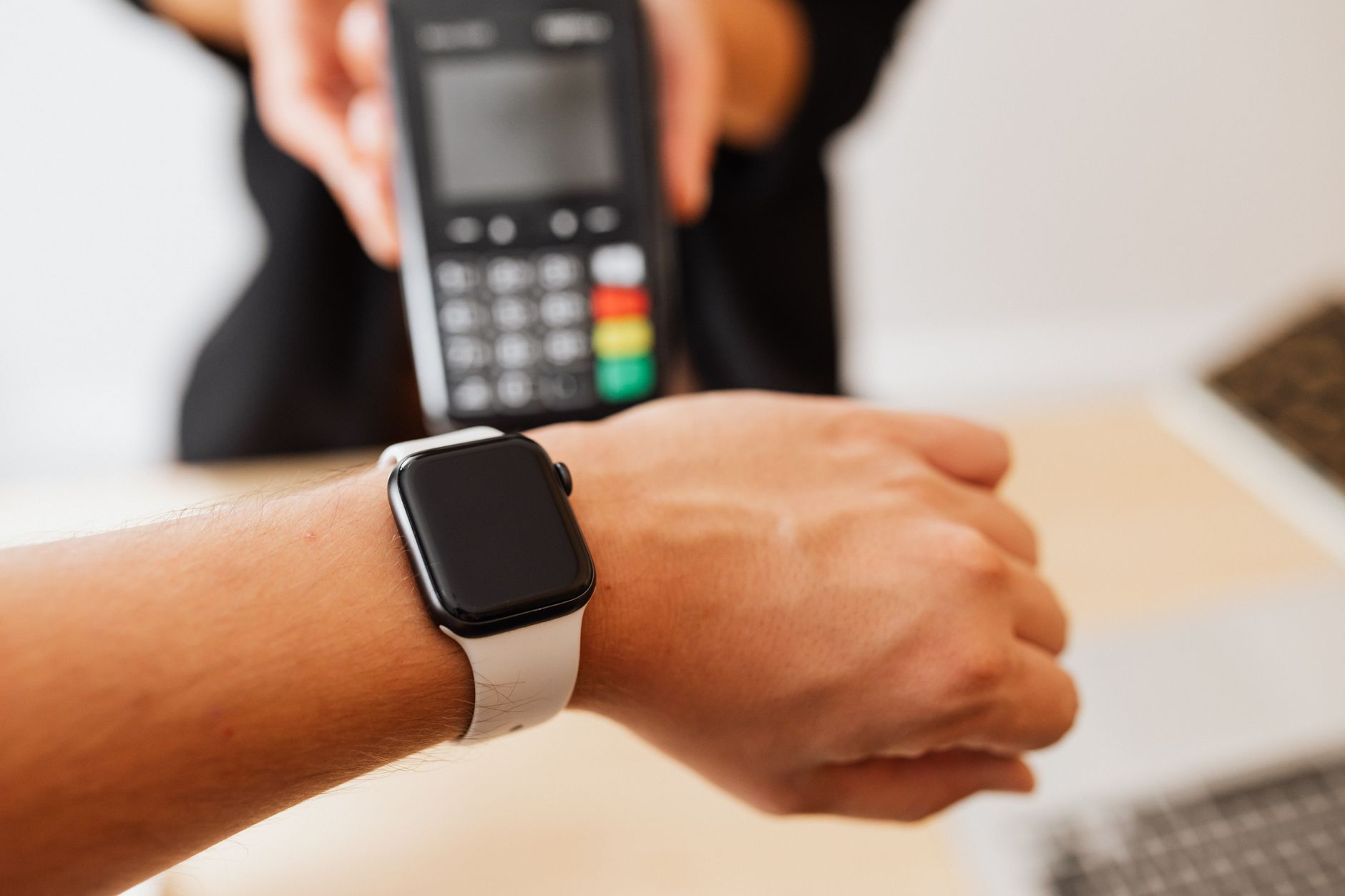
From October 15, person‑to‑merchant payments made through India’s Unified Payments Interface (UPI) that exceed Rs 2,000 will attract a 0.4% merchant discount rate (MDR). The change ends a six‑year period during which merchants paid nothing for processing such transactions. A recent LocalCircles survey of more than 67,000 UPI users suggests that the new charge could trigger a sizable shift away from the platform, with 76% of respondents indicating they would prefer cash, credit cards, debit cards or bank transfers for larger purchases if merchants pass the cost on.
What the MDR entails and where it applies
The MDR is a fee levied on digital payment transactions and shared among banks, payment service providers and the UPI applications that facilitate the exchange. Until now, the government has kept the rate at zero for merchants, positioning UPI as a free‑at‑point‑of‑use option that helped drive the country’s move away from cash. Starting October 15, a 0.4% charge will apply only to person‑to‑merchant UPI payments that are above Rs 2,000. Payments up to that threshold, as well as person‑to‑person transfers, will remain free.
Authorities have stressed that the MDR is not a tax and should not be transferred to consumers. The Finance Ministry has instructed banks to prevent merchants from shifting the fee onto customers, and UPI apps are barred from imposing platform fees or hidden charges. However, the policy leaves open whether merchants will absorb the cost or seek to recover it.
Consumer sentiment on additional fees
LocalCircles asked respondents how they would react if a merchant demanded an extra charge for a UPI payment above Rs 2,000. Of the 31,206 users who answered that specific question, 27% said they would pay in cash, 26% would switch to a credit card, and 14% would use a debit card. Another 4% would opt for a bank transfer through NEFT or IMPS, while 9% would request an alternative, fee‑free payment method. Only 14% indicated they would continue using UPI and absorb the additional cost. A further 2% said they would avoid or delay the purchase, and 4% were undecided.
When asked about longer‑term behaviour for purchases above Rs 2,000, 37,654 respondents gave their views. The same proportions emerged for cash and credit cards—each attracting 26% of the projected usage. Debit cards accounted for 13%, and bank transfers 11%. Only 20% said UPI would remain their preferred method for larger payments if it carried an extra charge, while 4% could not decide. In total, 76% of surveyed users expect to move sizable transactions away from UPI under the new MDR regime.
Merchant willingness to bear the charge
A parallel LocalCircles survey of more than 32,000 businesses across 242 districts revealed that merchant acceptance of the MDR is limited. Just 17% of merchants said they would be willing to absorb a 0.4% fee on UPI payments above Rs 2,000. Conversely, 41% stated they would not bear any MDR, and 9% reported they do not accept UPI at all. The most common ceiling that merchants would tolerate was 0.04%, cited by 15% of respondents.
The potential financial impact, while modest on a per‑transaction basis, becomes noticeable for higher‑value purchases. At 0.4%, a Rs 5,000 transaction would generate a Rs 20 fee, while a Rs 50,000 purchase would incur a Rs 200 charge. An 18% Goods and Services Tax (GST) is also levied on the MDR, though merchants can claim input tax credit for that amount.
Data from August 2026 show the scale of the payments that could be affected. UPI processed a record 24.51 billion transactions worth Rs 29.82 lakh crore that month, including 15.51 billion merchant payments amounting to Rs 8.95 lakh crore. Payments above Rs 2,000 represented 67% of the monetary value of those merchant transactions, meaning the MDR, while applying to a smaller share of transaction counts, targets a large portion of the money flow.
The government has clarified that the MDR will not apply to small merchants who receive up to Rs 1 lakh per month via UPI QR codes, and it estimates that roughly 96% of merchant transactions will remain unaffected. The policy therefore concentrates on larger merchants and higher‑value purchases, which include electronics, household goods, restaurant bills, travel bookings and other categories where UPI has become a preferred payment method.
Finance Minister Nirmala Sitharaman reiterated on September 22 that the responsibility for the MDR does not lie with the customer. The Finance Ministry is collaborating with the Indian Banks’ Association to devise a monitoring mechanism that ensures merchants do not shift the fee onto consumers. An awareness campaign in regional languages is also planned to inform users that they should not be asked to pay extra for UPI transactions. However, the framework does not yet specify penalties or a clear refund process for consumers who are incorrectly charged, leaving some uncertainty about enforcement.
Earlier LocalCircles surveys provide additional context. An August survey of more than 45,000 UPI users across 322 districts found that 53% would move away from UPI for larger payments if the MDR were recovered from them. A March 2025 poll showed that 73% of users believed there should be no charge on UPI transactions at all. These findings underscore a consistent consumer expectation that the platform remain free at the point of use.
If merchants do begin to pass the fee onto buyers, the perception of an added cost could be enough to drive a substantial shift toward cash, cards and bank transfers. Such a shift would not only affect UPI’s market share but could also test the broader success of India’s push to reduce cash reliance over the past few years. The upcoming October 15 rollout thus represents a critical juncture for policymakers, merchants and consumers alike.





Be First to Comment