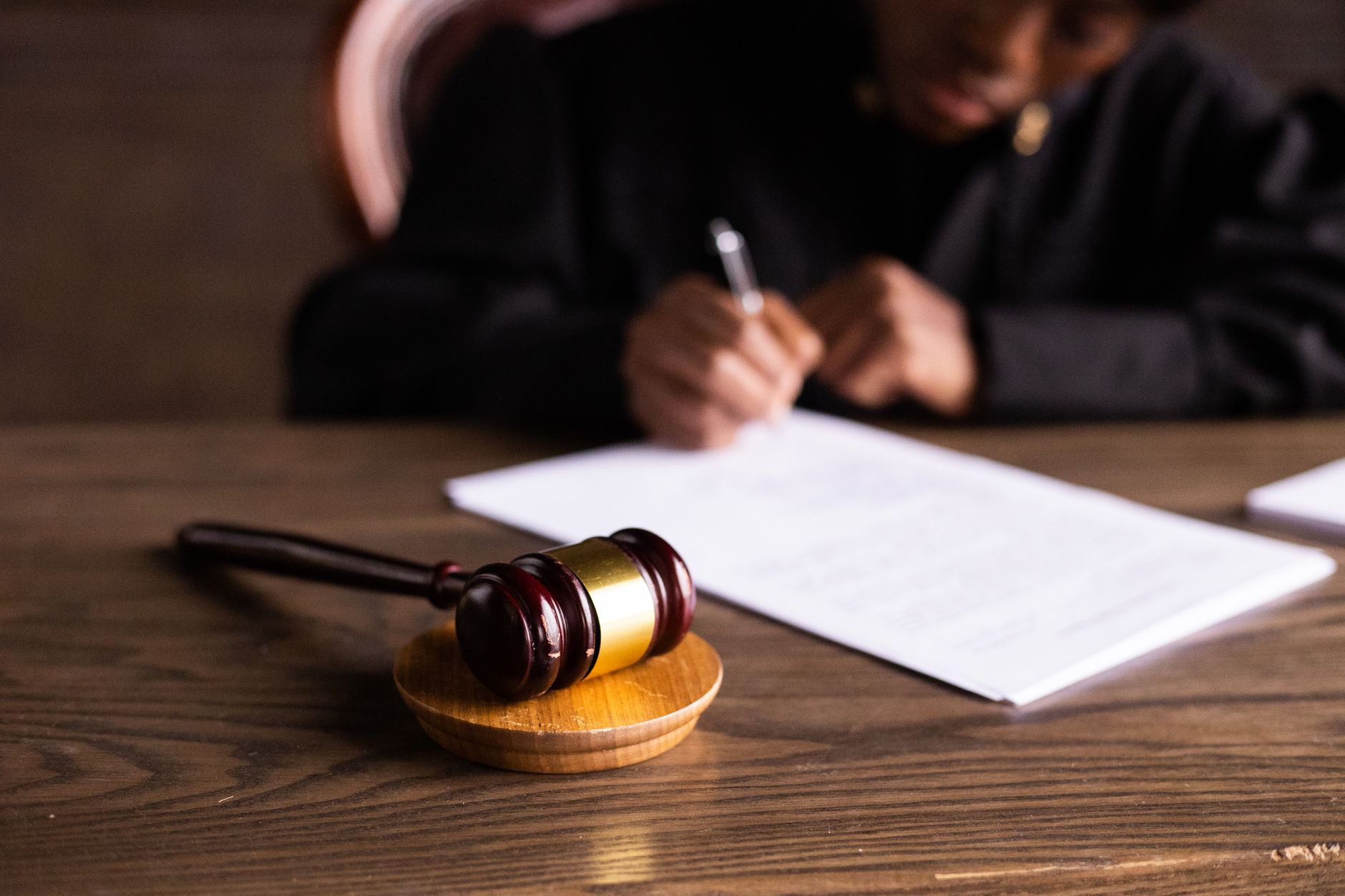
The Division Bench of the Delhi High Court, comprising Justices Vivek Chaudhary and Manoj Jain, delivered a combined order on Monday that rejected a series of petitions filed over the past year. The petitions sought the registration of first‑information reports (FIRs) against several political figures for speeches alleged to have incited the North‑East Delhi riots of 2020, and also called for a Special Investigation Team (SIT) probe into police actions at Jamia Millia Islamia (JMI) during a 2019 march against the Citizenship Amendment Act (CAA).
Background to the petitions
The North‑East Delhi riots, which erupted in February 2020, resulted in the loss of more than 50 lives. The violence was linked by petitioners to speeches delivered during protests against the CAA and the National Register of Citizens (NRC). In a separate incident, students and faculty at Jamia Millia Islamia reported police atrocities during a 2019 demonstration opposing the same legislation. Both episodes have remained the subject of public scrutiny and legal challenges.
Petitioners argued that the speeches made by certain political leaders during the CAA/NRC protests constituted hate speech that directly fueled the communal unrest in North‑East Delhi. They further claimed that the police response at Jamia Millia Islamia amounted to unlawful violence, warranting an independent, court‑monitored investigation.
Petitions filed and parties involved
Several distinct petitions were lodged before the High Court. One petition, filed by Shaik Mujtaba Farooq, specifically demanded FIRs against senior Bharatiya Janata Party (BJP) figures, naming Anurag Thakur, Kapil Mishra and Parvesh Sahib Singh Verma. Another petition, submitted by the civil‑society group Lawyers’ Voice, sought prosecution of opposition leaders, including Rahul Gandhi, Sonia Gandhi, Manish Sisodia, Asaduddin Owaisi, as well as a retired High Court judge.
A separate set of petitions, including one submitted by Communist Party of India (Marxist) leader Brinda Karat and another by Jamiat Ulama‑i‑Hind, called for a court‑monitored SIT inquiry into the role of the Delhi Police during the riots. An additional plea, filed by activist Ajay Gautam, requested that the National Investigation Agency (NIA) investigate the protests on the basis of an alleged “international conspiracy” and alleged foreign funding of the activists.
Students of Jamia Millia Islamia also approached the High Court, urging the formation of an SIT to examine alleged police atrocities that occurred inside the university campus during the 2019 march.
Legal representation for the various petitioners was extensive. Senior Advocate Colin Gonsalves, assisted by advocates Kamran Khwaja, Bhano Pathania, Pooja Mahajan and Urvashi Girdhar, appeared for Shaik Mujtaba Farooq. Senior Advocate Kirti Uppal, along with advocates Neeraj, Sanskar Gupta, Tushar Hazrati and Prakhar Negi, represented Lawyers’ Voice. Advocate M Taiyab Khan appeared for Jamiat Ulama‑i‑Hind. The State’s position was presented by Additional Solicitor General (ASG) S V Raju, Special Public Prosecutor Rajat Nair and a team of advocates including Dhruv Pande, Shivanshu Tripathi and Akshaja Singh.
For the Union of India, Central Government Standing Counsel (CGSC) Ripu Daman Bhardwaj, assisted by advocates Khusagra Kumar and Amit Kumar Rana, and Special Panel Counsel Vedansh Anand with advocate K Garg, appeared. CGSC Syed Abdul Hajeeb, joined by advocate Muhammad Aamir Khan, also represented the Union. CGSC Amit Tiwari, supported by advocates Ayishi Srivastava, Arpan Narwal, Kushagra Malik and Ujjwal Tyagi, appeared on behalf of the Ministry of Home Affairs. Advocate KK Mishra, Additional Standing Counsel, represented Jamia Millia Islamia, while Advocate Tarannum Cheema represented Rahul Gandhi and Sonia Gandhi.
Court’s decision and its implications
The combined order issued by Justices Chaudhary and Jain dismissed the entire batch of petitions. The judgment, which has not yet been released in full, effectively rejected the request to register FIRs against the named politicians and to set up a Special Investigation Team to probe the alleged police misconduct at Jamia Millia Islamia. The court also declined to entertain the petition seeking a National Investigation Agency probe based on claims of an international conspiracy.
While the order does not provide detailed reasoning, the dismissal means that, for the time being, the legal avenues pursued by the petitioners to hold political leaders and law‑enforcement officials criminally accountable remain closed. The decision also signals that the High Court will not, at this stage, direct a court‑monitored investigation into the police actions that were alleged to have occurred within the university campus.
Petitioners and their counsel have not indicated any immediate plans to appeal the order, and a detailed copy of the judgment is awaited by observers and media outlets. The dismissal arrives amid ongoing public debate over the accountability of political rhetoric and police conduct during the 2020 Delhi riots and the 2019 Jamia protests.
Legal analysts note that the High Court’s refusal to entertain the petitions does not preclude future litigation on related matters, but it does underscore the judiciary’s current stance on the specific requests presented in these filings. The outcome also leaves open the question of whether alternative legal mechanisms, such as separate criminal investigations by law‑enforcement agencies, might be initiated independently of the court’s intervention.
In the broader context, the Delhi High Court’s order adds another chapter to the complex legal and political aftermath of the CAA‑related protests and the subsequent communal violence. The petitions reflected a wide spectrum of political actors—from ruling‑party members to opposition leaders and civil‑society groups—each seeking accountability through the criminal justice system. The court’s dismissal, however, indicates that the judiciary has not found sufficient grounds, at least in the present filings, to mandate the registration of FIRs or the formation of a Special Investigation Team.
As the detailed judgment becomes publicly available, legal scholars, human‑rights advocates, and political commentators will likely examine the reasoning behind the bench’s decision. Until then, the status quo remains, with no new criminal proceedings initiated against the individuals named in the petitions, and no independent SIT probe ordered to examine the alleged police conduct at Jamia Millia Islamia.


Be First to Comment