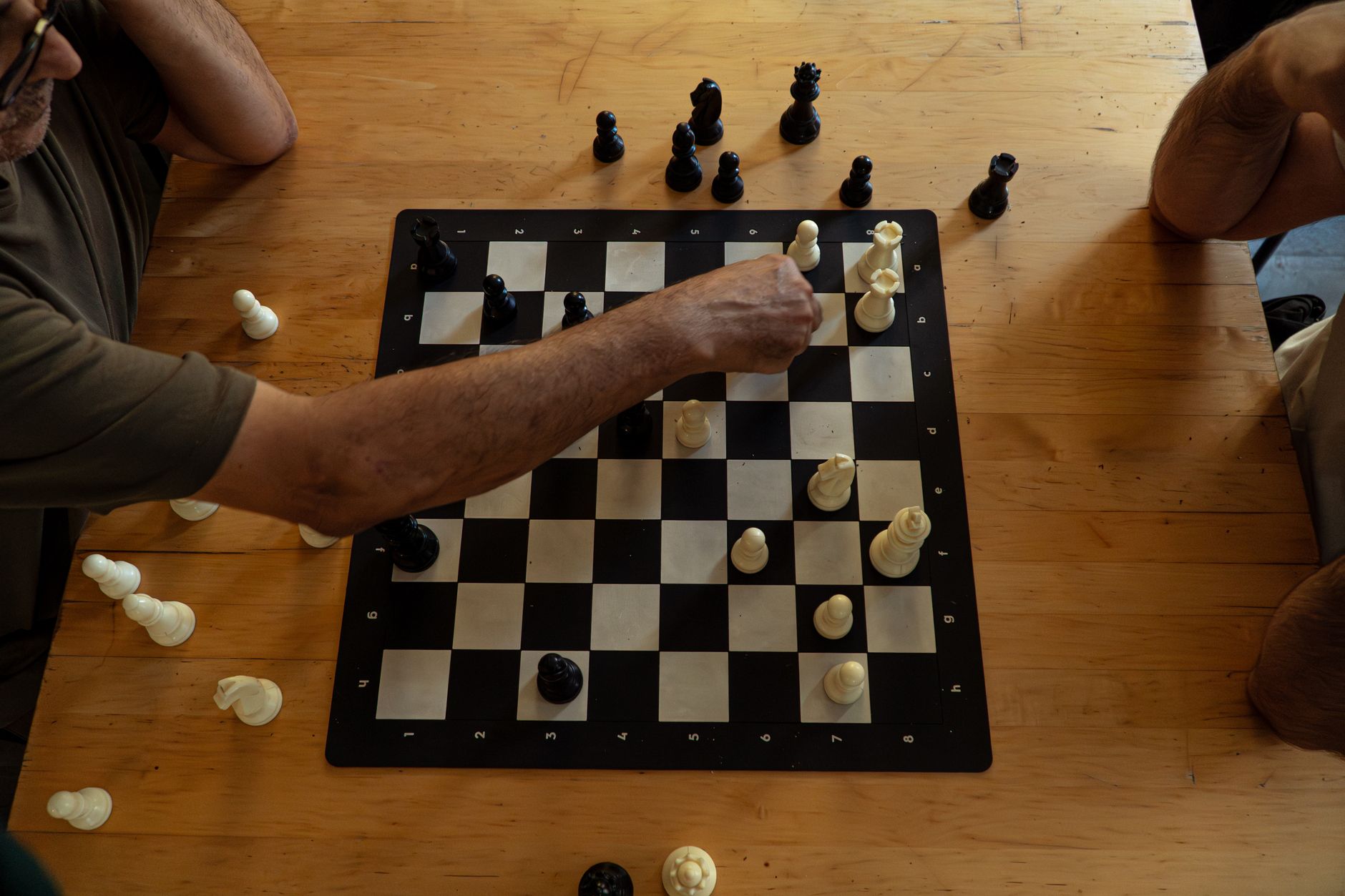
India’s 21‑year‑old grandmaster Rameshbabu Praggnanandhaa, the nation’s board‑1 player, opened up about the physical strain he endured during the 46th Chess Olympiad in Samarkand, Uzbekistan, and the mixed emotions surrounding the team’s silver‑medal finish. While the Indian squad fell short of defending its gold from the previous edition, Praggnanandhaa’s individual performance earned him a bronze medal, and his comments shed light on the challenges that defined the tournament.
Recent achievements before Samarkand
Earlier in the year, Praggnanandhaa was the sole Indian representative in the open section of the 2026 Candidates Tournament held in Cyprus. Although he did not secure the coveted world‑title spot, observers noted that the quality of his play remained exceptionally high. The young grandmaster later staged a dramatic comeback at Norway Chess, defeating five‑time world champion Magnus Carlsen twice on the Norwegian’s home turf – a first for any Indian player.
His momentum continued when he became the first Indian to win the Grand Chess Tour, cementing his status as a leading figure on the global chess circuit. These milestones set high expectations for his role at the Olympiad, where he entered as the undisputed Board 1 for India.
Health challenges at the Olympiad
Praggnanandhaa’s personal score at Samarkand was three wins from ten games, amounting to 6.5 points. Team captain Srinath Narayanan observed that the tally “still didn’t completely reflect the level at which he played,” noting that Praggnanandhaa created chances in almost every round and that many draws could have been converted into victories.
During the second half of the event, the grandmaster reported feeling “a little fever” and “some cold,” which left him “not high on energy towards the end of the tournament.” He added that his condition improved after the competition concluded, thanks to better sleep and recovery.
When asked whether the venue’s food, weather, or accommodations contributed to the illness, Praggnanandhaa dismissed those factors. He praised the Uzbek Chess Federation for arranging a private dining space after the first day, allowing the Indian team to eat familiar Indian food supplied by the All India Chess Federation (AICF). “Overall arrangements after the first day were really good,” he said.
He speculated that a viral fever was circulating among players, noting that the first half of the Olympiad passed without incident, while the second half saw a surge of similar symptoms across the board. “It’s rare for me to catch a cold during a tournament,” he remarked, emphasizing that he usually sticks to comfort food and non‑sedating medication to avoid fatigue.
Team performance, critical moments and future plans
India’s campaign culminated in a silver medal, a result Praggnanandhaa described as “good” given the high expectations after the previous year’s gold. He acknowledged that replicating a gold‑medal performance is “difficult” because of the depth of competition from other strong nations.
The decisive encounter, according to Praggnanandhaa, was the match against the host nation Uzbekistan. He called it “the critical match in every Olympiad to come,” highlighting the intensity of the rivalry between two youthful, talented teams. A single queen blunder in teammate Nihal Sarin’s game proved costly, turning what could have been a decisive win into a loss that ultimately tipped the overall team score.
Despite the setback, Praggnanandhaa remained optimistic about the team’s resilience. He noted that “we all stood as a team” and that even after the blunder, the squad managed to recover mentally. A light‑hearted comment about “padel sessions between games” suggested that off‑board activities helped maintain morale.
Looking ahead, Praggnanandhaa said his schedule leaves little room for dwelling on the Candidates Tournament disappointment in Cyprus. He is set to compete in “Clutch Chess” in the United States beginning October 27, followed by the Total Chess World Championship Tour pilot event in Budapest on November 10. He expressed confidence that recent results, including the Olympiad performance, will help him move beyond the earlier setback.
In his own words, Praggnanandhaa feels his story is only beginning: “I’ve been playing how I want to play. I’ve been enjoying the games, and I think it’s also showing in the results.” The combination of personal health challenges, a silver‑medal team finish, and an individual bronze underscores a year of both triumphs and trials for the Chennai‑born grandmaster.




Be First to Comment