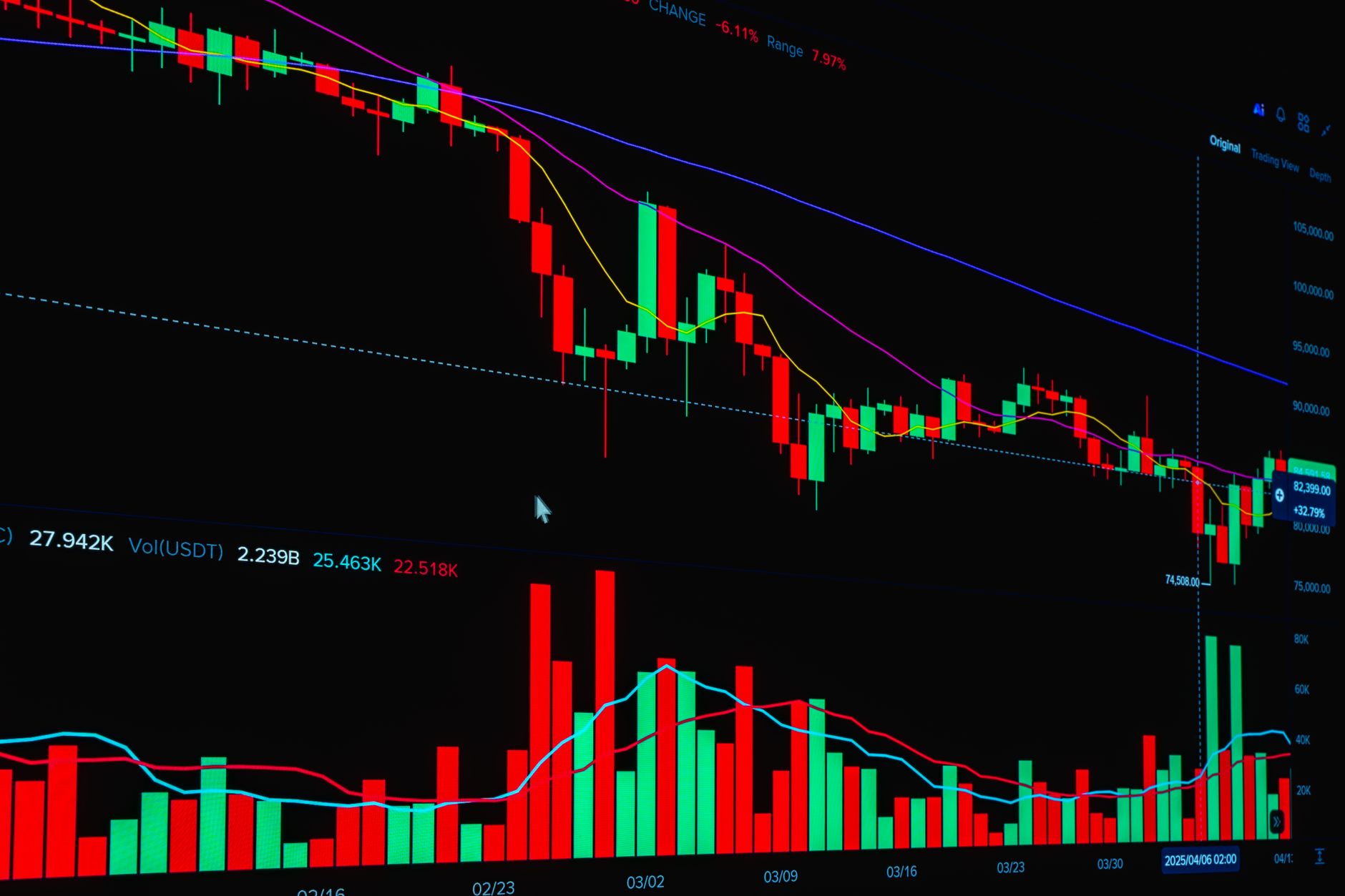
On Thursday, October 8, 2026, India’s two flagship equity indices deepened their losses as a sharp rise in global oil prices sparked a risk‑off mood among investors. By 2:00 p.m. IST, the BSE Sensex had fallen 1,063 points, a 1.46 percent decline, to settle at 71,575.16. The NSE Nifty 50 was down 359.45 points, or 1.59 percent, trading at 22,243.60, slipping below the 22,250 threshold for the first time in the session.
Market Overview and Intraday Moves
The broad market slide was evident early in the afternoon. At 1:00 p.m., the Sensex was already down 984.64 points, or 1.36 percent, at 71,654.06, while the Nifty 50 recorded a 344.35‑point fall, or 1.52 percent, at 22,261.05. The downward trajectory continued over the next hour, culminating in the larger declines reported at 2:00 p.m.
Across the board, mid‑cap and small‑cap indices also posted losses. The Nifty MidCap fell 0.92 percent and the Nifty SmallCap slipped 1.06 percent, reflecting the breadth of the sell‑off beyond the large‑cap space.
Sector‑Specific Performance
Within the Nifty 50 composition, the information‑technology (IT) sector was the sole bright spot, registering the highest gain among all sectors. By contrast, the real estate (Realty) sector endured the steepest decline, with the Nifty Realty index falling the most in the session.
Key losers in the Nifty 50 included SBI Life Insurance Company and Bajaj Finance, both cited as top drags on the index. In the auto segment, Tube Investments of India, Bharat Forge and Bosch emerged as the most weakened stocks, each posting notable declines in the Nifty Auto index.
Realty shares faced pronounced pressure, led by Aditya Birla Real Estate, Lodha Developers and The Phoenix Mills, which were identified as the top losers in the Nifty Realty index. The slump in property‑related stocks mirrored broader concerns about higher financing costs and reduced demand in a market already grappling with elevated borrowing rates.
Oil Prices as the Primary Catalyst
Brent crude oil was the dominant driver of market sentiment. By 1:10 p.m., Brent had risen 3.9 percent to a high of $104.09 per barrel on the Intercontinental Exchange, breaking the $104 level for the first time in European trading hours. The price surge was attributed to lingering supply concerns in West Asia, which kept traders wary of further upside.
The rally in Brent translated into a sharp sell‑off in oil‑sensitive equities. Oil marketing companies (OMCs) and airline Interglobe Aviation (IndiGo) saw share prices tumble up to 5 percent. The broader impact of higher crude prices was evident in the performance of energy‑linked stocks, which collectively contributed to the market’s risk‑off stance.
Corporate Updates Amid the Turbulence
Despite the overarching bearish tone, a few companies posted gains. Mastek’s shares rose 3 percent after the firm announced that it had secured a contract with Staffordshire County Council to lead an AI‑enabled Oracle cloud transformation project. The deal, described as AI‑led, was highlighted as a positive catalyst for the technology firm.
Fino Payments Bank experienced a sharp 17 percent surge following its second‑quarter business update, indicating strong investor interest in the fintech segment even as broader indices faltered.
Gold and silver prices also moved higher during the session. Traders bought the precious metals as they sought safe‑haven assets amid rising energy costs and expectations of further rate hikes by the U.S. Federal Reserve. The metals market’s upward move was framed as a reaction to “attractive levels” and a hedge against higher bond yields.
Outlook and Market Sentiment
The confluence of rising oil prices, heightened concerns over global supply, and a cautious stance on rate‑sensitive sectors created a challenging environment for Indian equities on Thursday. Analysts noted that the risk‑off mood could persist if Brent continues to trade above the $104 mark, putting additional pressure on oil‑linked and rate‑sensitive stocks.
Investors are likely to monitor upcoming domestic and international data releases, including any further developments in West Asian oil supply and U.S. monetary policy signals, for clues on whether the market can stabilize or face additional downside.
In summary, the Sensex’s drop of more than 1,000 points and the Nifty’s slip below 22,250 underscore the sensitivity of Indian markets to global energy dynamics. While select stocks such as Mastek and Fino Payments Bank found reasons to rise, the broader narrative remained dominated by oil‑driven risk aversion and sectoral weakness in realty and auto segments.






Be First to Comment