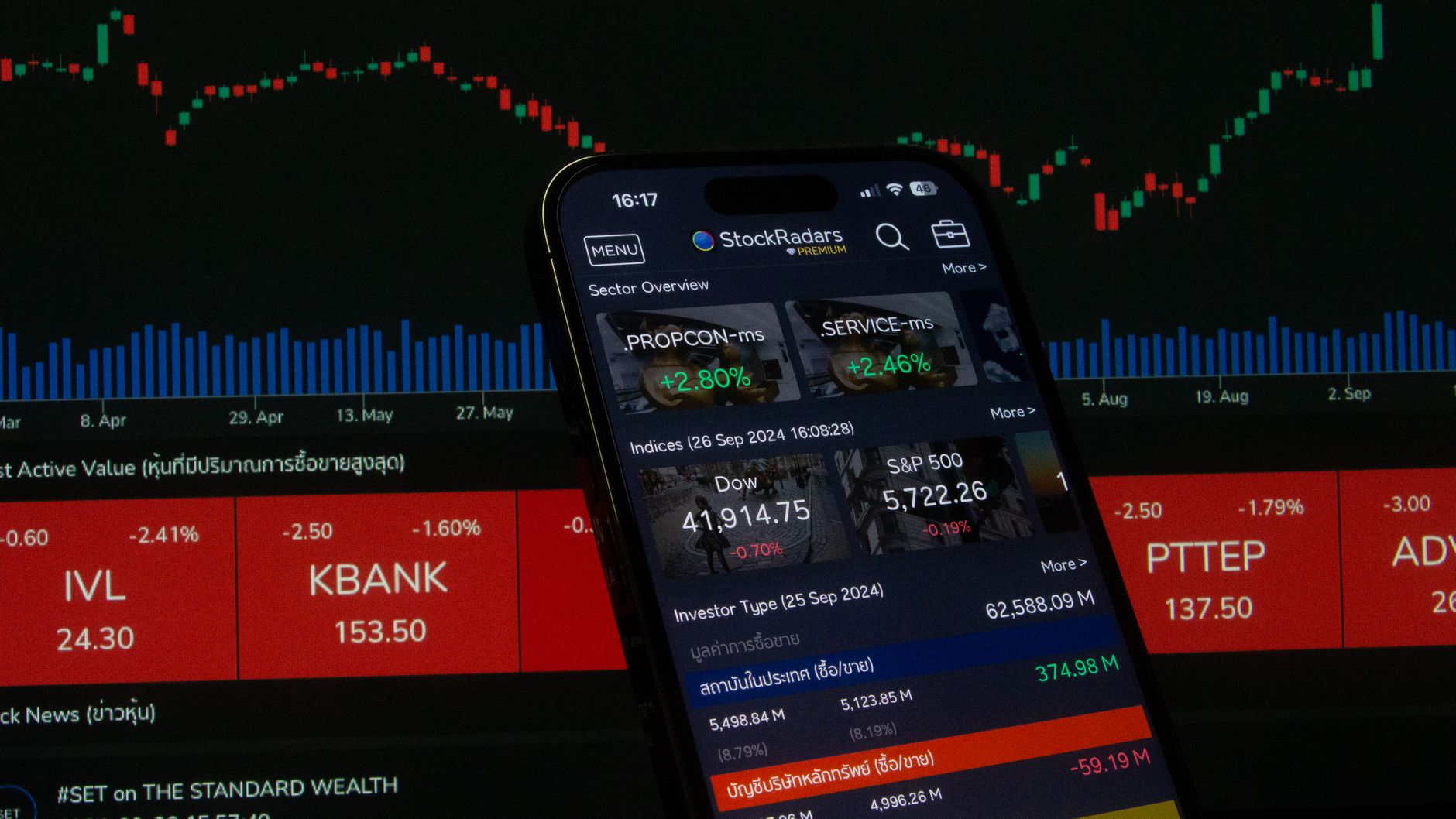
Indian equity markets closed on Friday, Oct. 9, 2026, with a noticeable rebound after two days of declines. The benchmark BSE Sensex added 879.09 points, or 1.23 percent, to finish at 72,472.33. The NSE Nifty 50 also posted a gain, rising 288.65 points, or 1.30 percent, to settle at 22,520.45. The recovery was anchored by broad‑based buying across multiple segments and a pronounced outperformance by information‑technology (IT) stocks.
Market Performance Highlights
Within the broader market, the Nifty MidCap 100 index rose 1.56 percent, while the Nifty SmallCap 100 climbed 0.54 percent, indicating participation beyond the large‑cap universe. Among the Nifty 50 constituents, Apollo Hospitals Enterprise, ITC and Eicher Motors emerged as the top gainers, each posting notable intraday advances.
Sector‑wise, the Nifty IT index led the pack, delivering the strongest relative gains of the day. In contrast, the Nifty Oil & Gas index was the weakest performer, reflecting the impact of declining crude prices on energy‑related shares. The divergence underscored a market tilt toward growth‑oriented and technology‑driven equities.
Technical commentary from Rupam De, senior technical analyst at LKP Securities, noted that the Nifty managed a “smart recovery,” breaking above the 1‑day 50‑day exponential moving average (EMA) situated near 22,600. However, the index failed to sustain momentum above the 22,600‑22,650 resistance corridor. De highlighted that a decisive break above this zone could pave the way for further upside, whereas a reversal might re‑ignite weakness. On the downside, support levels were identified at 22,450, 22,350 and 22,100.
Factors Behind the Rally
Vinod Nair, head of research at Geojit Investments, attributed the market’s uplift to a combination of value buying, short covering, and positive sentiment stemming from easing geopolitical concerns. Nair pointed out that indications of a reduced likelihood of U.S. military action against Iran before the U.S. midterm elections helped moderate crude‑oil prices, which in turn eased pressure on oil‑sensitive stocks.
In the IT sector, the early phase of the second‑quarter earnings season provided a boost. Companies reported strong revenue growth, with many highlighting opportunities linked to artificial‑intelligence (AI) initiatives. The optimism surrounding AI‑driven revenue streams contributed to the sector’s outperformance and reinforced investor confidence in technology‑heavy portfolios.
Despite the positive momentum, Nair warned that the recovery remains vulnerable to external headwinds. Persistent foreign‑institutional investor (FII) outflows and elevated global bond yields continue to exert downward pressure on market sentiment. Moreover, investors are awaiting domestic consumer‑price index (CPI) data slated for the upcoming Monday, which could influence expectations about the Reserve Bank of India’s (RBI) interest‑rate trajectory following its recent shift toward calibrated tightening.
The outlook for the second quarter, according to analysts, is expected to be favorable on a year‑over‑year basis. However, the sustainability of the current rally will hinge on whether earnings growth can translate into continued buying pressure, especially in the face of lingering macro‑economic uncertainties.
In the closing auction session, the Sensex posted an even larger gain of 951.42 points, or 1.33 percent, reaching 72,544.66, while the Nifty 50 closed at 22,535.65, up 303.85 points (1.37 percent). These figures suggest that the market’s upward trajectory extended into the final minutes of trading, reinforcing the narrative of a broad‑based rebound.
Overall, Friday’s market action illustrated a confluence of factors: sectoral strength in IT, a moderation in oil prices driven by geopolitical de‑escalation, and technical support levels that provided a floor for buying. While the immediate sentiment appears upbeat, analysts caution that external variables—particularly FII flows, global yield environments and forthcoming inflation data—could shape the market’s direction in the days ahead.





Be First to Comment