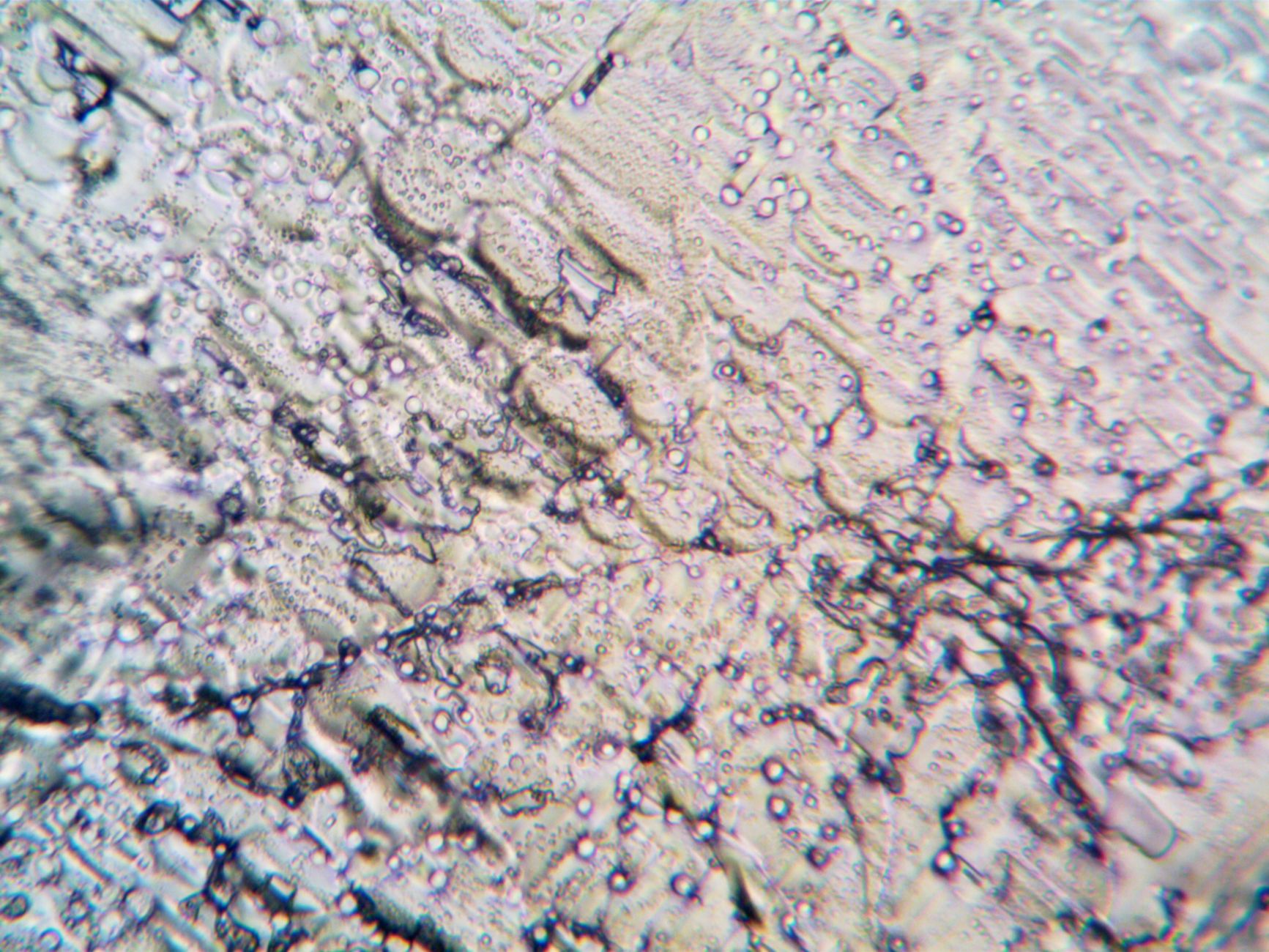
Nikon announced that it has removed the first‑place award from a video that initially won its Small World In Motion competition, citing a breach of the contest’s rule that forbids the use of generative artificial intelligence. The decision follows a review of the entry and its supporting materials, and it has prompted a reshuffle of the competition’s rankings.
Rule violation and the disqualification decision
The competition’s guidelines explicitly state that videos generated by AI are not allowed, and that the sponsor reserves the right to request the original, unaltered footage for verification. After a thorough re‑evaluation and consultation with members of the judging panel, Nikon concluded that the winning video did not meet these criteria. In its statement, the company emphasized that the action was based solely on the eligibility of the submitted material and should not be taken as a comment on the entrant’s professional reputation, scientific contributions, or intent.
The disqualified entry was described in the original press release as depicting “abnormal beating of airway cilia in a child with primary ciliary dyskinesia (PCD), a rare genetic disorder affecting respiratory function.” The release highlighted the significance of the imagery and the method used to capture it. However, the sponsor’s announcement did not detail how generative AI was employed—whether the video was entirely synthetic or partially enhanced from real microscopy footage.
Scientific community reaction and media coverage
According to a BBC report, the creator of the video acknowledged the use of AI in its production. The same coverage noted that several scientists raised concerns, with at least one expert on PCD stating that the cells shown in the video “look nothing like those from PCD patients.” The discrepancy between the claimed scientific authenticity and the visual appearance of the footage intensified scrutiny of the entry.
While the video’s visual style could be described as “otherworldly,” the article’s author argued that authentic microscopy videos can also possess striking, almost surreal qualities. The lack of clarity regarding the exact role of AI in the creation of the video left the broader community without a definitive answer, underscoring the difficulty of distinguishing between genuine and AI‑augmented scientific imagery in the current technological landscape.
Revised rankings and future safeguards
In response to the disqualification, Nikon reassigned the $3,000 first‑place prize to the runner‑up, Nguyen Nam Nhat, whose submission featured a tiny roundworm and a single‑celled Dileptus navigating their microscopic environment. The new second place was awarded to Benedikt Pleyer for a video of jellyfish larvae, while Dr. Andrew Moore moved into third place with a clip showing synchronized cell division in neighboring cells.
The company acknowledged that the incident highlights a need to revisit competition rules and verification procedures. It noted that, as AI tools become more accessible and users become more adept at employing them, similar challenges are likely to arise despite the emergence of detection technologies. Existing detection tools often rely on probabilistic analysis or on watermarks embedded by the AI software, both of which can be circumvented by determined entrants.
Nikon’s statement indicated that the organization will examine its policies and enforcement mechanisms to better address the evolving capabilities of generative AI. The competition’s full list of winners remains available on the Nikon Small World website, where interested parties can view the revised lineup and the associated videos.
The episode adds to a growing list of photo and video contests that have grappled with AI‑related controversies. Over recent years, several competitions have uncovered entries—sometimes even award‑winning works—that were either partially or wholly generated by artificial intelligence. The Nikon case illustrates how the intersection of scientific imaging and advanced AI technology is prompting organizers across the creative and scientific fields to rethink eligibility criteria and verification standards.





Be First to Comment