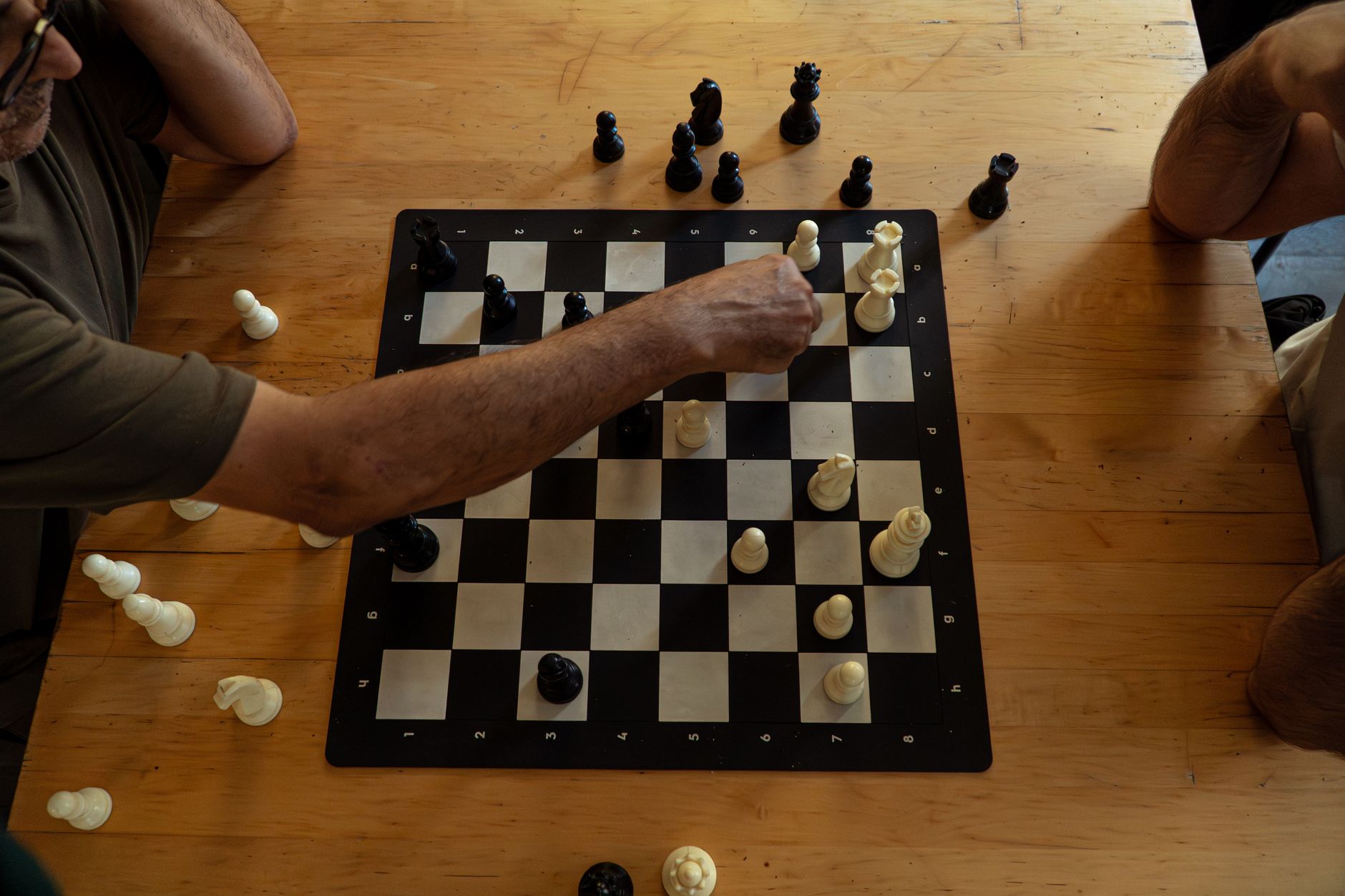
In a milestone for Indian chess, 2007‑born Sahithi Varshini of Visakhapatnam secured the Woman Grandmaster (WGM) title, joining a short list of Indian women to achieve the honor. The final norm was earned at the IM VII Round Robin in Serbia, where she finished second with six points out of nine, posted a performance rating of 2,408 and added 23 Elo points to her tally.
Path to the title
Varshini’s journey to the WGM title began with two earlier norms in Hungary. The first came at the Golden Horse IM Round Robin in September 2025, and the second was recorded at the Kanizsa Open in August 2026, where she defeated Grandmaster Yeshaayahu Tzidkiya and posted a performance rating of 2,429. Those results, combined with the Serbian performance, satisfied the norm and rating requirements for the title.
Her ascent has been watched closely since May 2019, when International Master and prominent commentator Sagar Shah wrote in his ChessBase column that both Varshini and her contemporary Savitha Shri Baskar were poised to join the ranks of Indian women’s chess greats such as Koneru Humpy and Harika Dronavalli. Seven years later, the prediction appears on track: Savitha, now also 19, captured a team bronze and an individual gold at the Chess Olympiad in Samarkand, while Varshini secured the WGM title.
Family support and personal hurdles
Varshini’s father, Lokeswara Moogi Rao—known in chess circles as Lokesh—has been her sole coach since she began playing. In an interview, he emphasized that her achievements, including the recent title, represent only the beginning of a career that has yet to reach its full potential.
The family’s commitment to her development has been profound. When Varshini was six, she contracted dengue fever and spent a week on a ventilator. The family regards her recovery as a second chance at life, a narrative that fuels their dedication.
Lokesh’s own background is marked by perseverance. Born in a remote village near the Yarada Hills, his early life lacked electricity and relied on fishing for income. Despite excelling academically—becoming a school topper and ranking highly in state engineering entrance exams—financial constraints forced him to abandon a formal engineering program. He completed a diploma, worked a modest job, and later earned an engineering degree by correspondence before joining Hindustan Petroleum Corporation Limited (HPCL) as an officer.
Chess entered Lokesh’s life in his early thirties through a literature club he ran in Visakhapatnam. A young medical student named Dinesh, fresh from winning the Andhra University championship, brought a chess trophy to the club and challenged Lokesh. After a series of games on the balcony, Lokesh’s curiosity turned into study; he purchased a chess book, practiced during breaks at the refinery control room, and received a personal library of 40 to 50 chess books from a senior colleague, VS Prasad. Among the titles was Max Euwe’s “The Road to Chess Mastery,” which Lokesh described as feeling like a Sherlock Holmes novel.
Within three months of his renewed interest, Lokesh earned a place on the HPCL chess team, and six months later he qualified for the national selections of the Petroleum Sports Promotion Board, finishing second. Over roughly seven years, he played for the board, often as captain, sharing tournament halls with Grandmasters such as Pentala Harikrishna, Shyam Sundar and Koneru Humpy. Though never the strongest player in those rooms, his appetite for classical chess and willingness to test opening ideas against top opponents earned him the respect of established masters, who predicted he could become a leading coach.
When his daughters began playing, Lokesh transitioned from hobbyist to formal coach. He never set conventional milestones such as International Master or Grandmaster for Varshini; instead, he aspired for her to emulate legends like Bobby Fischer and Garry Kasparov, aiming for a legacy beyond titles.
Varshini’s playing style reflects that ambition. By age 14 she had crossed the 2,200 Elo mark, drawing praise from Scottish Grandmaster Jacob Aagaard for her aggressive, sacrificial approach. She has defeated women’s world champion Mariya Muzychuk and amassed a collection of age‑group medals, including golds at Asian and Commonwealth events.
COVID‑19 disruption and a bold relocation
The pandemic halted Varshini’s momentum at a critical juncture. Rated highly and seeded at the top of her age categories, she lost nearly three years of over‑the‑board competition. She qualified for the World Youth (Cadets) Championship but was unable to travel due to travel restrictions.
Facing a prolonged hiatus, Lokesh took an extended leave from his HPCL duties and moved the family abroad, reasoning that renting an apartment overseas would be less costly than repeated flights back to India for tournaments. The decision introduced a new challenge: online chess. Every game she played in open tournaments was instantly published, allowing opponents to study her style and prepare specific counter‑measures. In response, Varshini experimented with frequent opening changes, a strategy that proved ineffective against stronger opposition.
Despite those setbacks, the Serbian norm achieved last month demonstrates that Varshini has adapted and continued to improve. Her performance rating of 2,408 and the 23 Elo points gained there indicate a resurgence after the pandemic‑induced lull.
Lokesh remains optimistic, stating that the WGM title is merely a stepping stone. He believes her attacking instincts, combined with the disciplined study habits instilled by his own literary and chess education, position her to challenge for higher honors on the international stage.
As Indian women’s chess continues to gain prominence, the story of Sahithi Varshini underscores both the personal sacrifices behind elite performance and the resilience required to thrive amid global disruptions.






Be First to Comment