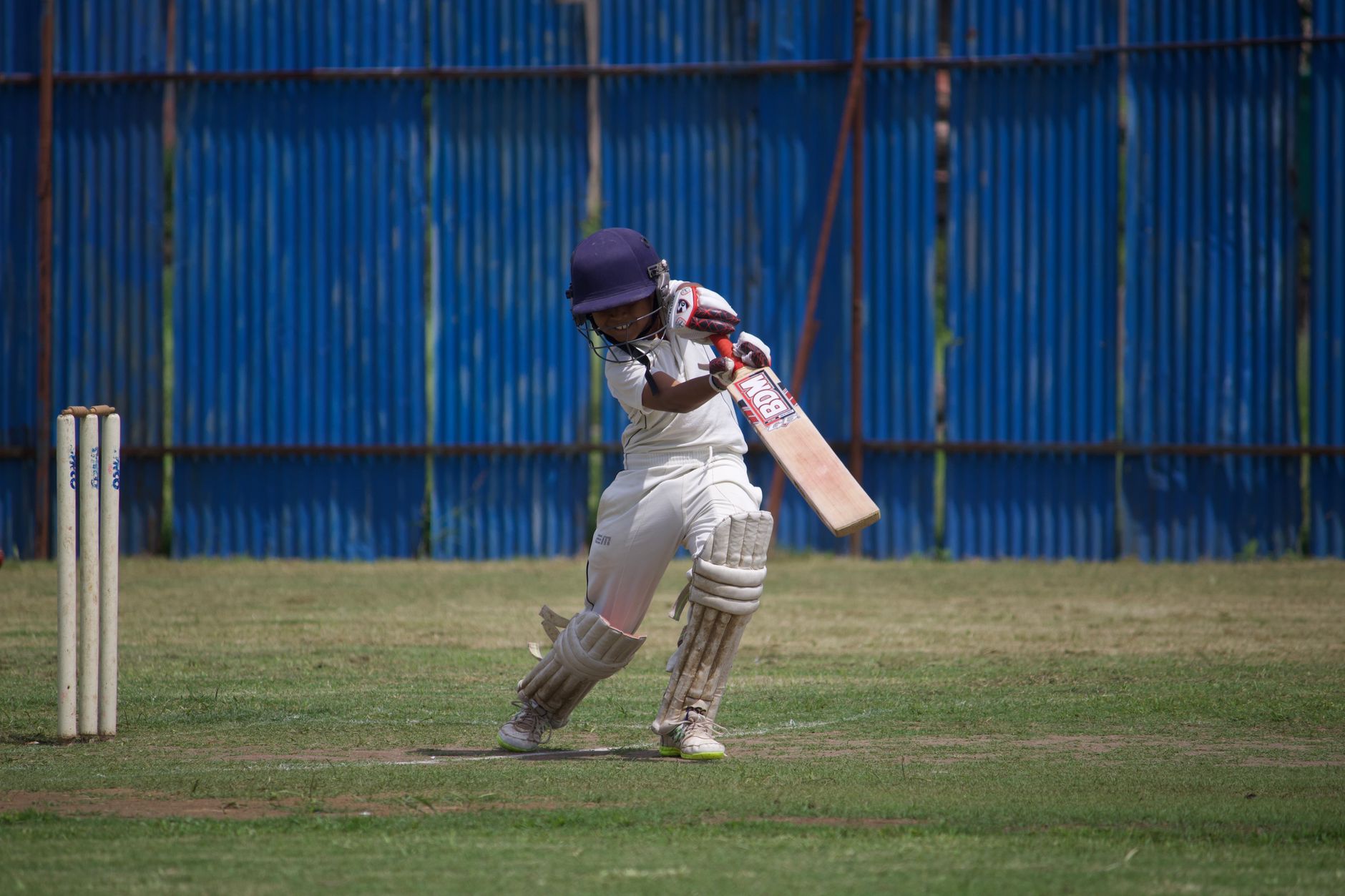
India’s T20 vice‑captain Tilak Varma told reporters in Hyderabad that he is content with the newer responsibilities that come with batting lower down the order. The conversation came ahead of the fourth T20 international against the West Indies, a match that will also be the first time Varma plays at his home venue.
Varma, who has amassed 651 runs at an impressive strike‑rate of nearly 151 in his brief T20 international career, has traditionally been most effective at the No. 3 slot. His two unbeaten centuries – 107* in Centurion and 120* in Johannesburg – arrived in consecutive innings in November 2024 and cemented his place at the top of the order. He opened the 2026 T20 World Cup at No. 3 and remained there for the majority of India’s campaign.
Following a defeat to South Africa, team management reshuffled the batting line‑up for a crucial encounter with Zimbabwe. Varma was moved to No. 6, where he produced a rapid 44* off 16 balls. Since that performance, he has occupied the No. 3 position only once.
Versatility in the T20 format
Varma highlighted the range of roles he has performed for India. When placed at No. 3, he described the position as offering “freedom” because only two fielders are outside the circle, allowing him to attack during the Powerplay without heavy expectations. He added that many batsmen enjoy that liberty.
He also spoke about the anchor responsibilities that typically fall to the No. 4 and No. 5 spots. “Sometimes wickets tumble early, and you have to hit from the first ball with just a couple of overs left,” he said, noting that the skill set required for that scenario has been honed since childhood and demands strong mental resilience.
Beyond anchoring, Varma emphasized the need for a finisher who can accelerate when the top order consumes the majority of the innings. He said he has practiced the “mindset” required to switch gears quickly, especially when the team needs a quick surge in the final overs.
Embracing the new role
When asked about his feelings toward the shift, Varma said he “loves to bat” at No. 3 but is equally eager to take on the tougher job lower down. He explained that his current focus is on the middle phase – roughly overs five to seven – where he can either consolidate after quick wickets or build a platform for a later surge.
“I thrive on pressure,” he asserted. “If the team needs me to step up, I will do it. Whether it’s taking the game deep after early losses or hitting from the first ball when the openers have batted deep, I am prepared for both.”
Varma credited his confidence to early coaching, stating that his mentor taught him that confidence in oneself translates into team confidence. He described his approach as assessing the pitch, identifying the bowler he can target, and adapting his shot selection accordingly.
Leadership and future outlook
The Hyderabad press conference also marked Varma’s first appearance as vice‑captain in front of a home crowd. He described the honor as “a proud moment” and said it added extra weight to his performance.
He reflected on a recent controversial run‑out in Indore, where he stopped mid‑run believing the ball had reached the boundary. Varma laughed that both he and the fielder Axar Patel thought the ball had touched the hoarding, leading to a brief confusion. “In life, I will never stop, even if the umpire signals a boundary,” he joked.
Looking ahead, Varma said his aim is to continue contributing wherever the team places him, noting that competition for the top four spots is intense, with players like Vaibhav Sooryavanshi still seeking a regular place.
“By God’s grace, things are going well,” he concluded, adding that watching teammates such as Ishan Kishan, Shreyas Iyer and the openers perform is “a treat.” He reaffirmed his commitment to adapt, support the team’s needs and enjoy the “different kind of fun” that comes from winning for India, regardless of batting position.





Be First to Comment