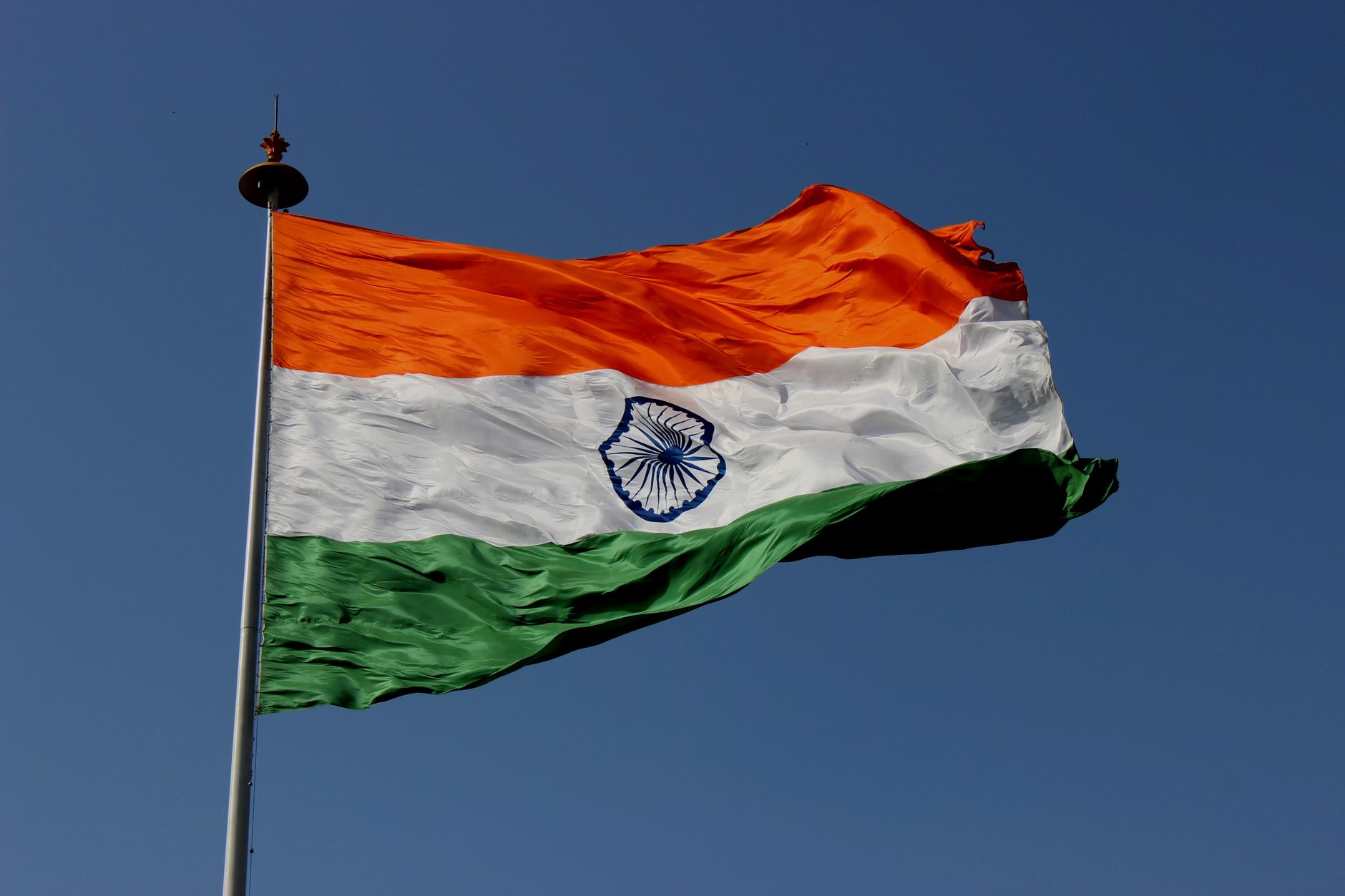
On Friday, Oct. 16, 2026, Delhi Police announced that a select group would be permitted to wave the Indian tricolour at the Central Park protest organized by the Confederation of Joint Protestors (CJP). The police simultaneously urged the broader public to stay away from the venue, citing prohibitory orders that remain in force and a lack of official permission for the march.
Police deployment and legal backdrop
More than 6,000 Delhi Police personnel and 220 Central Armed Police Force (CAPF) companies were deployed across the capital ahead of the scheduled 5 p.m. gathering. The authorities have imposed prohibitory orders under Section 163 of the Bharatiya Nagarik Suraksha Sanhita (2023), which the Supreme Court has asked the Union government to clarify. On Oct. 15, a two‑judge bench led by Chief Justice of India Surya Kant directed the Centre to “enlighten” the court about the basis for those orders.
Earlier, the Supreme Court declined to hear an urgent plea challenging the National Development Management Council’s decision to close Central Park ahead of the protest, leaving the prohibitory orders intact. Police Commissioner Anurag Kumar told the court that preventive measures taken on Oct. 10 were based on intelligence inputs and aimed at averting public disorder. He added that detainees from the Oct. 10 demonstrations were provided “hot, fresh and good meals” and were held in makeshift centres for two to six hours before being released.
Political reactions and accusations
The planned march has drawn sharp reactions from several political leaders. AAP MLA Saurabh Bharadwaj announced a “Tiranga Yatra” to be held in front of Rashtrapati Bhavan and Parliament, signalling support for the flag‑waving demonstration. AAP leader Gopal Rai also endorsed the CJP’s “Tiranga Lahra Do” campaign, urging party workers nationwide to carry the tricolour and warning that “if the vote is saved, democracy will be saved.”
The Congress party accused Union Home Minister Amit Shah of briefing editors “off the record” to shield Chief Election Commissioner Gyanesh Kumar from scrutiny. AICC Media and Publicity Department chairman Pawan Khera said the party learned of the briefing from the editors themselves. In a separate statement, Defence Minister Rajnath Singh criticised Rahul Gandhi, claiming the opposition leader was “keeping the Constitution in his pocket, spreading anarchy.” Singh invoked the 1975 Emergency, alleging that Gandhi’s actions undermined democratic institutions.
West Bengal Minister Dilip Ghosh charged the CJP with disrupting Navratri and Durga Puja celebrations, saying that political protests during the festivals were creating tension and preventing people from observing the traditions peacefully.
Journalist safety and detentions
Amid the heightened security, the Press Council of India issued fresh safety guidelines for reporters covering protests. The advisory, adopted on Oct. 14 and released on Oct. 15, urges journalists to carry valid ID cards, keep first‑aid kits, plan escape routes and adhere to ethical reporting standards.
The Committee to Protect Journalists (CPJ) reported that at least 43 journalists were temporarily detained while covering anti‑CEC protests in Delhi, Ahmedabad, Pune and Mumbai on Oct. 10 and Oct. 11. Some journalists were assaulted, phones were seized, and a few detainees were taken up to 65 km away from the protest sites. Journalist Rana Ayyub said police beat her with a baton; The Caravan’s Ryan Thomas recounted a head injury and a slap. CPJ noted that detentions continued even after the Supreme Court secured assurances on Oct. 11 that journalists should not be impeded.
Delhi Police did not respond to CPJ’s request for comment on the alleged assaults and phone seizures. The Supreme Court’s request for clarification on the prohibitory orders includes a demand that all CCTV footage related to the detentions be preserved.
CJP founder’s stance and potential arrest
Abhijeet Dipke, founder of the CJP, defended the right to peaceful protest in a post on X, emphasizing that demanding answers from the government, protesting injustice and questioning public officials are fundamental democratic expressions, not acts of anarchy. Dipke recounted a personal assault in Jaipur, stating he chose not to retaliate because “responding to violence with violence goes against everything we believe in.” He warned that the authorities often label dissenters as anarchists simply because they refuse to stay silent.
Late on Oct. 15, Dipke warned that Delhi Police might detain him before the march, saying he was “under watch.” He added, “If we have to go to jail for waving the tricolour, we are ready for it.” The police, however, have not confirmed any imminent arrest.
Outlook for the march
With a large police presence, prohibitory orders in place and multiple political factions voicing both support and criticism, the Central Park Tiranga march remains a flashpoint in the ongoing debate over democratic protest and electoral integrity. Authorities continue to ask the public to avoid the area, while the CJP urges participants to exercise their constitutional right to assemble and display the national flag. The outcome of the march, and any subsequent legal or political developments, will likely shape the discourse around protest rights and the role of the Election Commission in the months ahead.






Be First to Comment