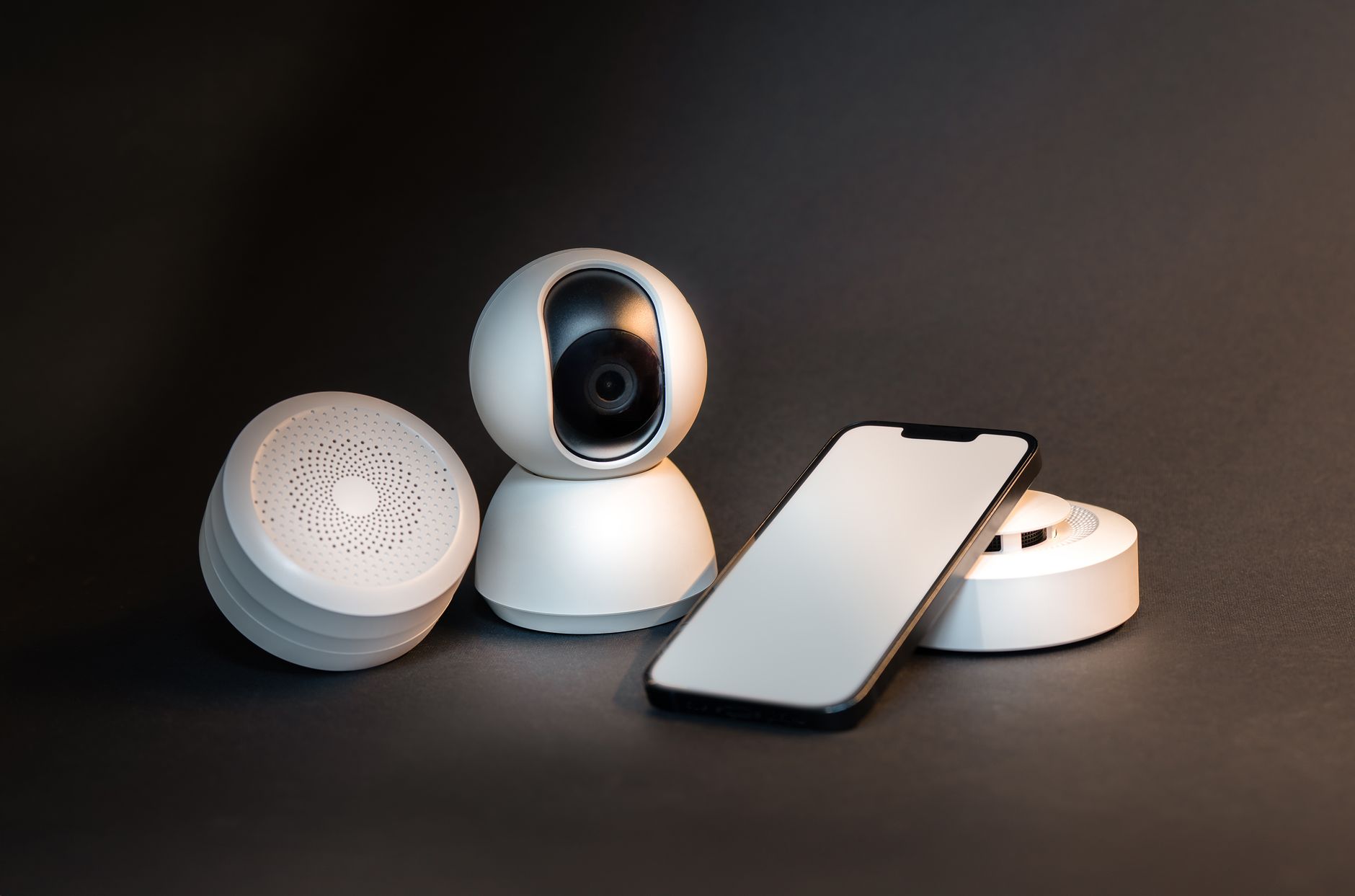
Artificial intelligence is moving from phones and laptops into the heart of everyday living spaces. A wave of new devices that claim to anticipate user needs, optimise energy use and reduce manual effort was highlighted as Apple unveiled its HomeView smart speaker, positioning the product as a direct competitor to Samsung’s AI‑enabled refrigerator. The lineup includes a range of appliances that blend sensors, machine‑learning models and voice assistants to tackle tasks that traditionally required human judgment.
Apple HomeView and Samsung Family Hub
Apple’s HomeView is marketed as a central hub for a connected household. Priced at ₹39,900, the device combines a seven‑inch square screen with Siri‑powered artificial intelligence. Users can place the speaker on a table or mount it on a wall, and it is capable of controlling other smart gadgets, managing calendar events and delivering cooking instructions. The integration of Siri enables voice‑driven interaction, allowing occupants to ask for recipe ideas or set reminders without reaching for a phone.
Samsung’s answer to the growing smart‑home market is the Family Hub refrigerator. With a capacity of 800 litres and four doors, the appliance features an internal camera that runs Google’s Gemini Vision model. The camera records each item’s entry date and can suggest recipes based on the ingredients currently stored. A 32‑inch touchscreen on the door displays family reminders and schedules, turning the fridge into a communal information board. The Family Hub carries a price tag of ₹4,00,690, reflecting its extensive hardware and AI capabilities.
LG Washing Machine and Haier Air Conditioner
LG’s AI DD washing machine introduces a sensor suite that evaluates load size, fabric softness and soil level. The system then selects the most suitable cycle from a library of 20,000 wash programs. If mixed fabrics are detected, the machine dynamically adjusts its settings mid‑cycle to protect delicate items while ensuring thorough cleaning. The entry‑level price for the LG model starts at ₹69,990.
Haier’s Desert Rose air‑conditioner series adopts a personalized cooling approach. Each unit creates its own cooling profile based on observed usage patterns and can detect human presence up to 12 metres away, directing airflow toward occupied zones. An accompanying mobile app provides real‑time electricity consumption data and projects potential monthly bills, helping users manage energy costs. Prices begin at ₹54,000.
Dreame X60 Ultra Robot Vacuum
Dreame’s X60 Ultra robot vacuum leverages two wide‑angle cameras and specialised light sensors to map its surroundings. The manufacturer claims the device can recognise 280 distinct object types, including shoes, wires and toys, enabling it to navigate without colliding with everyday obstacles. Compatibility with Amazon Alexa and Apple HomeKit allows voice control through existing smart‑home ecosystems. The robot is priced from ₹1.29 lakh.
Collectively, these five products illustrate how AI is being embedded into appliances that have historically relied on manual settings. The use of vision models, sensor‑driven decision trees and voice assistants signals a broader industry trend toward autonomous operation and predictive assistance.
While the promise of reduced effort is appealing, the source material advises prospective buyers to weigh several practical considerations. Cost remains a primary factor; the price range spans from just under ₹40,000 for Apple’s HomeView to more than ₹1 million for Samsung’s premium refrigerator. Consumers must also assess whether the advertised features align with their daily routines. For example, a household that rarely cooks at home may find limited value in a fridge that suggests recipes, whereas a family with diverse laundry needs could benefit from LG’s adaptive wash cycles.
Privacy concerns are another recurring theme. Devices that continuously scan interiors—such as the fridge’s internal camera or the robot vacuum’s external cameras—collect visual data that could be stored or processed off‑site. The source article cautions that users should examine data‑handling policies before committing to AI‑driven hardware, especially when personal habits and household inventories are involved.
Beyond the five highlighted gadgets, the broader tech landscape continues to evolve. In related news, Apple announced bookings for its first foldable phone, featuring a 7.6‑inch inner display and an A20 Pro chipset, with a starting price of ₹3 lakh. Google expanded Android’s earthquake‑alert system to over 200 countries, and India’s Skyroot Aerospace partnered with a U.S. startup on a project involving giant mirrors to direct sunlight into cities at night. These developments underscore a pervasive shift toward integrating intelligent systems across diverse domains.
In summary, the emergence of AI‑enabled home appliances offers tangible conveniences—from automatic wash‑cycle selection to real‑time recipe recommendations. However, the adoption curve will likely be moderated by price sensitivity, genuine utility and the willingness of consumers to entrust personal data to machine‑learning platforms. As manufacturers refine sensor accuracy and streamline pricing, the smart‑home market may see broader acceptance, turning today’s premium gadgets into tomorrow’s household staples.






Be First to Comment