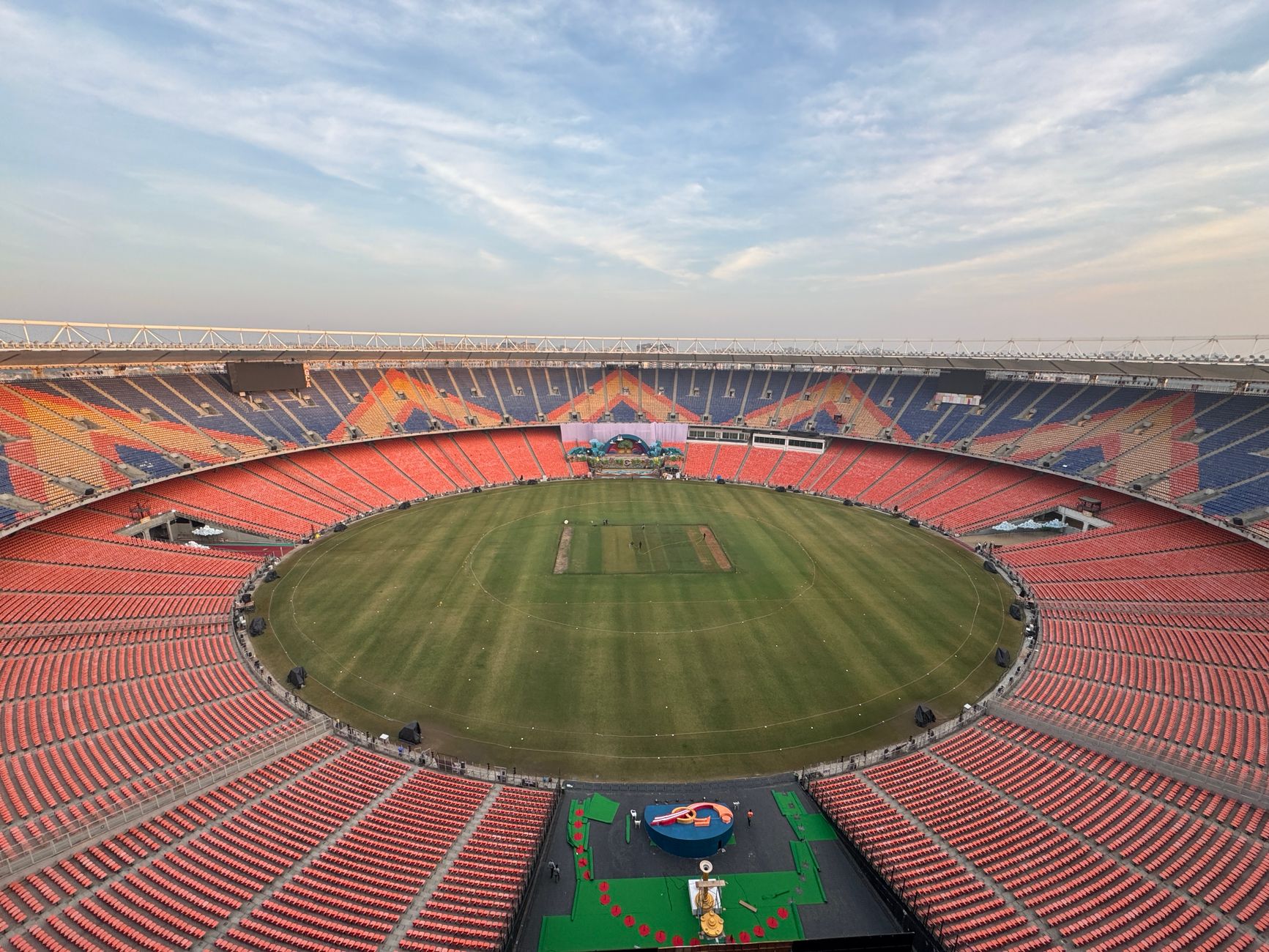
Sydney Sixers Women secured a four‑wicket victory over Sydney Thunder Women in Semi‑Final 2 of the 2026 T20 Spring Challenge, earning a place in the tournament final at Cricket Central, Sydney. The match, played under sunny conditions with a forecast temperature of 23 °C, saw the Sixers recover from a modest first‑innings total to chase down the target set by the Thunder.
Tournament context and team form
Both teams entered the knockout stage after contrasting league campaigns. Sydney Thunder Women finished second on the points table, accumulating seven points from four matches with three wins and one no‑result. Their net run rate of +2.206 was the highest among the qualifiers, reflecting dominant performances throughout the group phase. In contrast, Sydney Sixers Women claimed third place with four points, registering two wins and two losses and a net run rate of +0.246.
Thunder arrived in the semi‑final on the back of an unbeaten run of five consecutive completed matches, having won each of their last five outings. Their most recent victory came against Perth Scorchers Women, where they chased a modest 93 runs in just 13.1 overs, finishing at 93/2 with 41 balls to spare. Anika Learoyd anchored the chase with an unbeaten 31 off 22 balls, while Jemma Barsby added 24 and Laura Harris contributed a rapid 19 off 10, sealing the win.
Sixers, on the other hand, had endured a mixed run of form, winning two of their last five matches while losing three. Their previous game was a narrow five‑wicket defeat to Melbourne Stars Women. In that encounter, Sixers posted 155/8 in 20 overs, highlighted by Elsa Hunter’s aggressive 65 off 41 balls. However, the Stars chased the total down on the final ball, winning by five wickets. Sarah Coyte led the Sixers’ bowling effort in that match, taking three wickets for 21 runs.
The head‑to‑head record in the T20 Spring Challenge between the two sides stood at one win each before the semi‑final, indicating a balanced rivalry.
Match overview
The toss was won by Sydney Thunder Women, who elected to bat first. The decision reflected their confidence in setting a competitive total on a surface described as balanced, favouring both batters and bowlers. Historical data from the venue, Cricket Central Oval, showed that first‑innings scores in the last five matches of the competition averaged between 150 and 160 runs, with anything above 170 regarded as a par score.
Thunder’s innings unfolded under the expected sunny conditions, with humidity at 70 % and a light wind of up to 26 km/h. While the exact run total is not detailed in the source, the match result indicates that the Sixers successfully chased the target, ultimately winning by four wickets.
Following the Thunder’s innings, Sydney Sixers Women began their chase. Their batting line‑up, which had demonstrated the ability to post a competitive 155‑run total in the previous match, approached the target with a blend of experience and aggression. The victory by four wickets suggests that the Sixers managed to navigate the Thunder’s bowling attack, which had featured notable performers such as Hasrat Gill (three wickets in the preceding match) and Jemma Barsby (two wickets).
Key contributions from Sixers’ batting order, although not enumerated in the source for this specific match, can be inferred from the team’s recent form, where players like Elsa Hunter and Erin Burns have shown the capacity to score quickly. The bowling side for the Sixers, led previously by Sarah Coyte, would have needed to contain the Thunder’s batters, but the eventual result indicates that the Sixers’ bowlers were unable to prevent the chase.
Key performances and implications
While the source does not provide individual statistics for the semi‑final, the broader context highlights several players who have been instrumental throughout the tournament. For Thunder, Anika Learoyd, Jemma Barsby, and Hasrat Gill have been identified as key contributors in recent matches. Learoyd’s unbeaten 31 against Perth and Barsby’s dual role with bat and ball underscore their importance. For the Sixers, Elsa Hunter’s 65‑run innings and Sarah Coyte’s three‑wicket spell in the preceding game illustrate the firepower they bring to crucial fixtures.
The outcome of the semi‑final overturns pre‑match expectations. Betting markets and expert predictions listed Thunder as clear favourites, citing their flawless recent record and depth of squad. Conversely, Sixers were described as vulnerable under pressure, having suffered three defeats in five games leading up to the knockout stage. The Sixers’ ability to win despite these odds demonstrates resilience and suggests a shift in momentum heading into the final.
Looking ahead, the Sixers will face the winner of Semi‑Final 1 for the championship. Their triumph over a high‑performing Thunder side positions them as a formidable contender, especially given their demonstrated capacity to post and chase sizable totals at Cricket Central. Thunder, despite the setback, retain a strong tournament résumé and will likely reflect on the narrow margins that separated the two sides in this high‑stakes encounter.
Weather forecasts for the final remain similar to those for the semi‑final, with sunny skies, low precipitation probability, and a balanced pitch that historically yields scores in the 150‑160 range. Teams will need to adapt strategies accordingly, balancing aggressive batting with disciplined bowling to capitalize on the flat conditions.
The semi‑final also highlighted the competitive depth of women’s T20 cricket in Australia, with both Sydney franchises showcasing talent that can influence outcomes on short notice. The Sixers’ victory adds a compelling narrative to the 2026 T20 Spring Challenge, setting the stage for a final that promises high‑scoring action and a showcase of the growing prominence of women’s cricket.






Be First to Comment