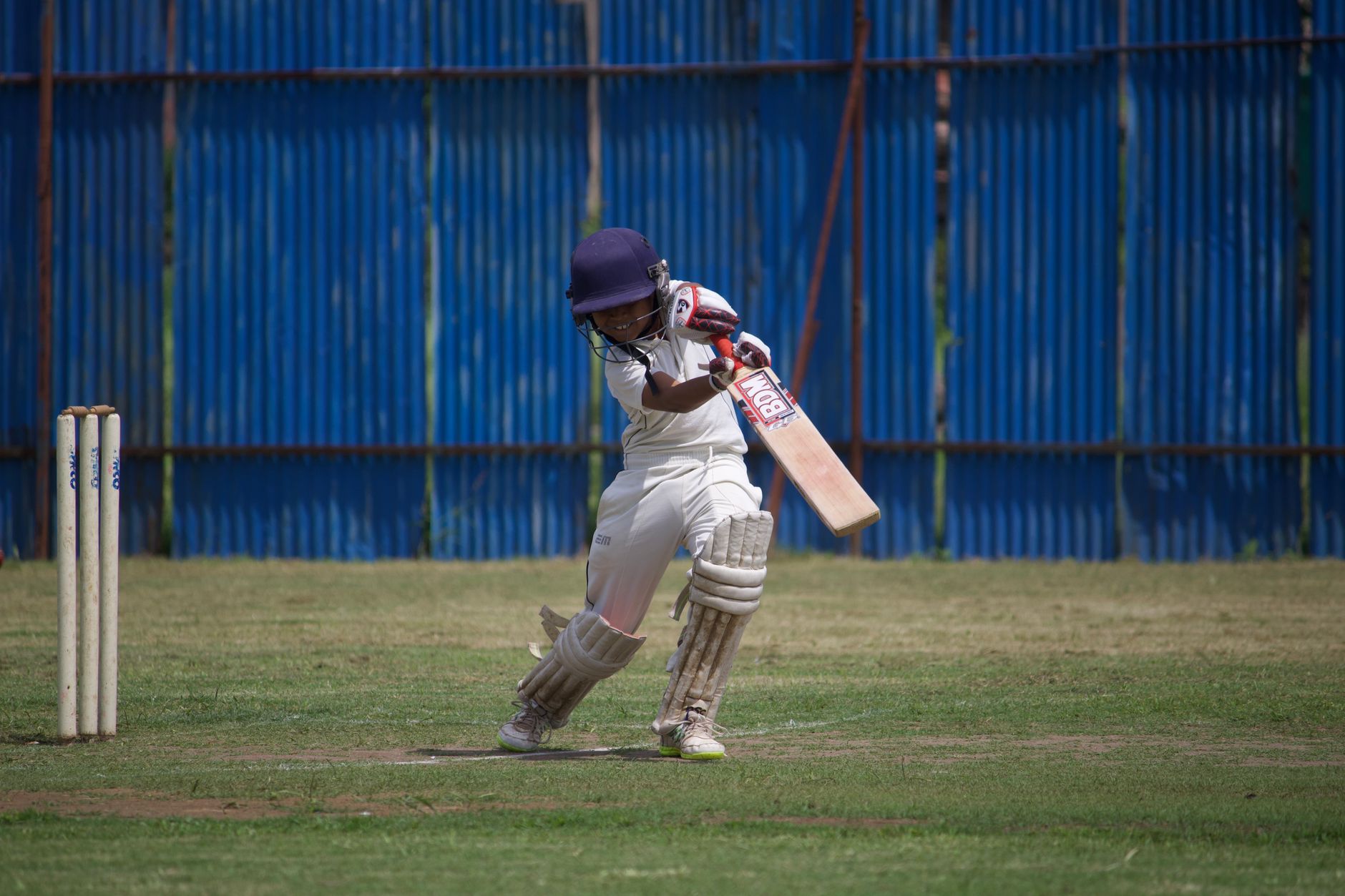
India Women secured a four‑wicket triumph over Zimbabwe Women in the opening T20 International of a three‑match series in Raipur, extending their winning run in the format to a record nine straight matches. The victory, achieved with 26 balls remaining, was anchored by a decisive 82‑run stand between Deepti Sharma, who scored 49, and debutant Niki Prasad, who remained unbeaten on 39.
Zimbabwe’s innings: a solid start turned costly
Winning the toss, India’s full‑time captain Smriti Mandhana elected to field, and Zimbabwe began their chase with a promising opening partnership. Beloved Biza fell lbw to Kranti Gaud in the very first over, but Kelis Ndhlovu soon steadied the innings, reaching 42 runs off 30 balls at one point. Partner Modester Mupachikwa contributed before being caught by Charani, who claimed a return catch to remove her.
Despite Ndhlovu’s brisk start, his momentum stalled. He was eventually bowled by a slower ball from Arundhati Reddy in the 15th over, after surviving a close catch at long‑off that the third umpire ruled had touched the ground. Sharne Mayers then took charge, finishing unbeaten on 43 off 33 balls, punctuated by four fours and two sixes, including a 15‑run over off Arundhati’s 18th over.
In the final over, bowler Nandani Sharma gave away only three runs, while wicket‑keeper Richa Ghosh effected two stumpings—first of Nyasha Gwanzura and then of Michelle Mavunga—on consecutive deliveries. Zimbabwe posted a total of 114 for 5 in their allotted 20 overs.
India’s chase: early collapse and a record partnership
India’s reply began positively with 14 runs off Tendai Makusha’s opening over, but the momentum quickly shifted. Nyasha Gwanzura struck first blood, dismissing captain Smriti Mandhana on the very first ball, the edge carrying to square leg. Three balls later, Anushka Sharma was caught at point.
The second over turned into a wicket maiden as Michelle Mavunga trapped former captain Harmanpreet Kaur, playing her first match since stepping down from the role, at short mid‑wicket. Gwanzura then claimed a sharp return catch to remove Shafali Verma. Within the first 19 balls, India found themselves 19 for 4, marking the first occasion the side had lost its first four wickets inside the opening four overs of a T20 International.
At this critical juncture, Deepti Sharma joined the newcomer Niki Prasad at the crease. Sharma immediately counter‑attacked, lofting Gwanzura for two fours in the final over of the Powerplay. The pair continued to accelerate, adding 15 runs off Olinder Chare’s tenth over and seeing Sharma dispatch Mavunga for three fours in the 12th over. Their partnership of 82 runs, compiled from 63 deliveries, set a new Indian record for the highest stand for the fifth wicket or lower in women’s T20 Internationals.
Sharma fell just one run short of a half‑century in the 14th over, sweeping Chare to short fine leg, before being caught by Richa Ghosh at deep mid‑wicket off a delivery from Biza. Niki Prasad, undeterred, guided India to the finish, sealing the win with a confident drive past mid‑off in the 16th over.
Key figures and series implications
The match statistics underline the individual contributions that shaped the outcome. For Zimbabwe, Nyasha Gwanzura claimed three wickets for 18 runs, while Sharne Mayers and Kelis Ndhlovu each contributed more than 40 runs. India’s bowling effort was highlighted by Nandani Sharma’s economical 2‑11 spell and Shree Charani’s 1‑14.
Chasing a modest target of 115, India reached 116 for 6 in 15.4 overs, securing a four‑wicket victory and taking a 1‑0 lead in the series. The win also marked Smriti Mandhana’s inaugural match as the side’s full‑time captain, adding a leadership milestone to the on‑field success.
With the series now in India’s favour, the next two fixtures will test whether the women’s side can extend their historic winning streak further. The partnership between Sharma and Prasad, the early wickets taken by Gwanzura, and the effective finishing by Mayers will all be points of analysis as both teams prepare for the remaining games.





Be First to Comment