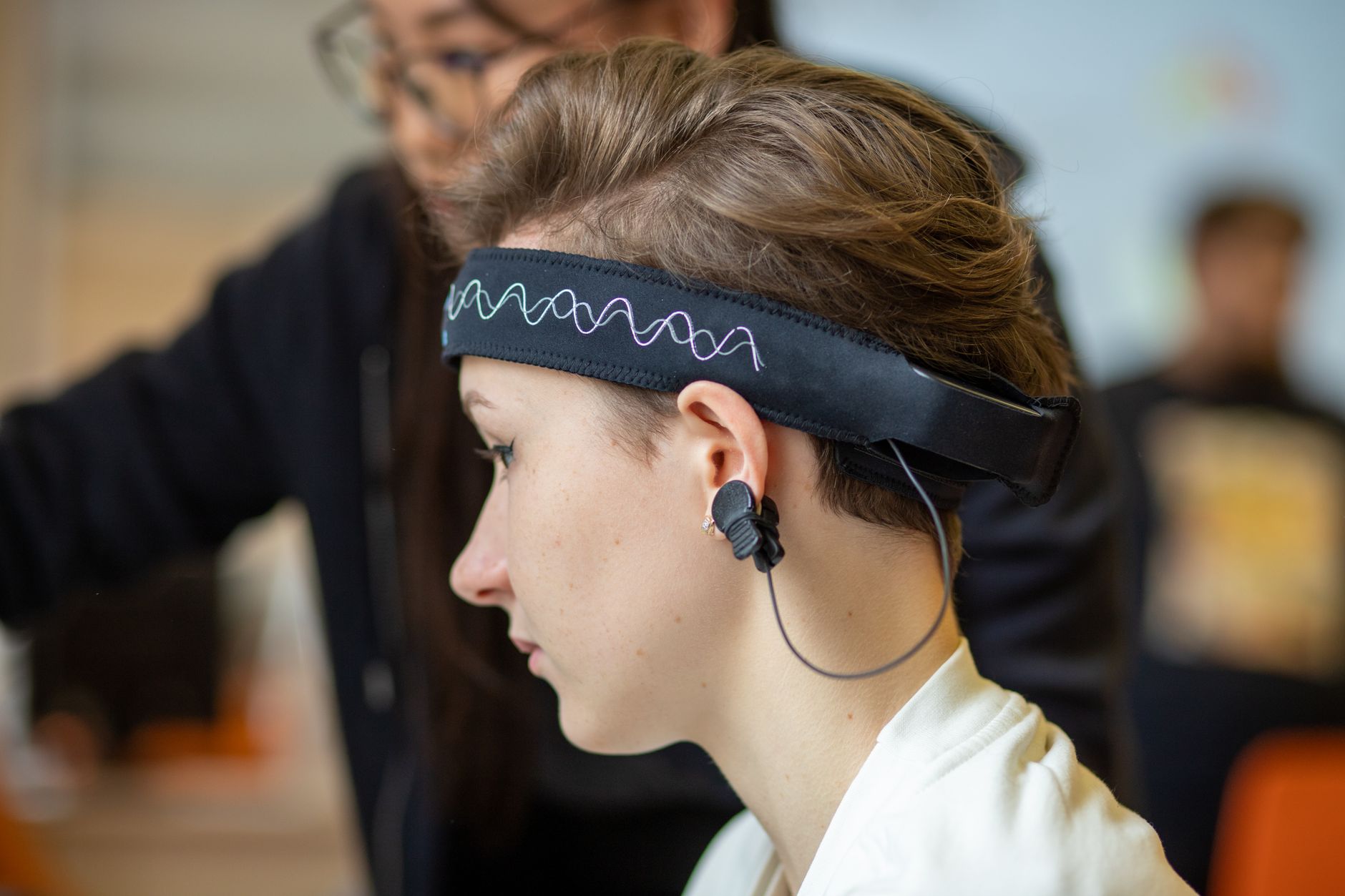
Deepinder Goyal, the co‑founder of food‑delivery platform Zomato, is preparing to launch a brain‑monitoring wearable called Temple. The device will be available for pre‑order starting 1 November 2026, and an early‑access invitation lists the price at ₹85,000. While the quoted amount is described as a lifetime subscription, the company has not formally confirmed the final pricing structure.
Pre‑order timeline and pricing
The pre‑order window opens on the first day of November 2026, and interested buyers will receive invitations through the company’s mobile application. According to a post on the social platform X dated 25 October, Goyal indicated that once an order is placed, delivery could take up to three months. This schedule suggests that customers who secure a unit at the start of the pre‑order period might receive the wearable as early as sometime in 2027.
Early‑access communications list the device at ₹85,000, a figure that appears to cover a lifetime subscription to the service platform that accompanies the hardware. The startup has not issued an official statement confirming whether the amount represents the total cost of ownership or a recurring fee.
Design, technology and usage
Temple is described as a compact, pill‑shaped unit that adheres to the side of the head using disposable glue bands referred to as ‘grips.’ The wearable leverages BrainFlow technology to track cerebral blood flow, providing users with data on physiological strain. An entropy score ranging from 1 to 250 is generated, reflecting the wearer’s stress, exercise, sleep, and caffeine intake.
The company markets the device as a wellness and research tool rather than a medical diagnostic instrument. Goyal claims that the wearable can remain on while the user runs, swims, or showers, though it is not suitable for scuba diving. Six colourways are planned for launch: True Gold, Rose Gold, Black Mirror, Real Jade, Deep Blue and Purple Funk. Real Jade, Deep Blue and Purple Funk are described as limited‑edition finishes, although the exact availability of these variants in the first production run has not been disclosed.
Limited production and rollout strategy
Temple’s initial manufacturing run is intentionally small. The first batch is capped at 30 units, a figure mentioned alongside a statement that each unit will be produced only after an order is received. Goyal explained on X that the limited‑batch approach is intended to ensure quality control and personalized customer service, aligning with the company’s “grow slow” philosophy.
Batch 01 will be distributed through the startup’s mobile app, with early‑access invitations sent to a select group of users. While the company has not revealed the total number of units allocated to the inaugural batch, the emphasis on a controlled rollout underscores the focus on maintaining product standards rather than maximizing inventory.
When queried on X about whether the production strategy was aimed at inventory control or quality assurance, Goyal responded that it was primarily about “quality control and also making sure we serve each customer well.” He reiterated that the approach reflects a deliberate decision to expand cautiously.
Public visibility and early adoption
The device first entered public view when Goyal was spotted wearing it during a podcast on Raj Shamani’s YouTube channel. Shortly thereafter, Indian badminton player PV Sindhu was also seen with the wearable during badminton matches, lending the product additional visibility among sports enthusiasts.
These appearances suggest that the startup is positioning Temple as a performance‑enhancing accessory for athletes and health‑conscious individuals, even as it stresses that the product is not intended for medical diagnosis.
Looking ahead
With pre‑orders slated to begin in November 2026 and a delivery horizon extending into 2027, Temple represents one of the few consumer‑focused brain‑monitoring wearables announced in the Indian market. The combination of a premium price point, a limited initial supply, and a focus on wellness analytics sets it apart from more conventional fitness trackers.
Stakeholders will be watching closely to see whether the limited‑run strategy translates into sustained demand and whether the promised lifetime subscription model proves viable over the long term. As the rollout progresses, further details about pricing confirmation, subscription terms, and the scale of subsequent production batches are expected to emerge.






Be First to Comment