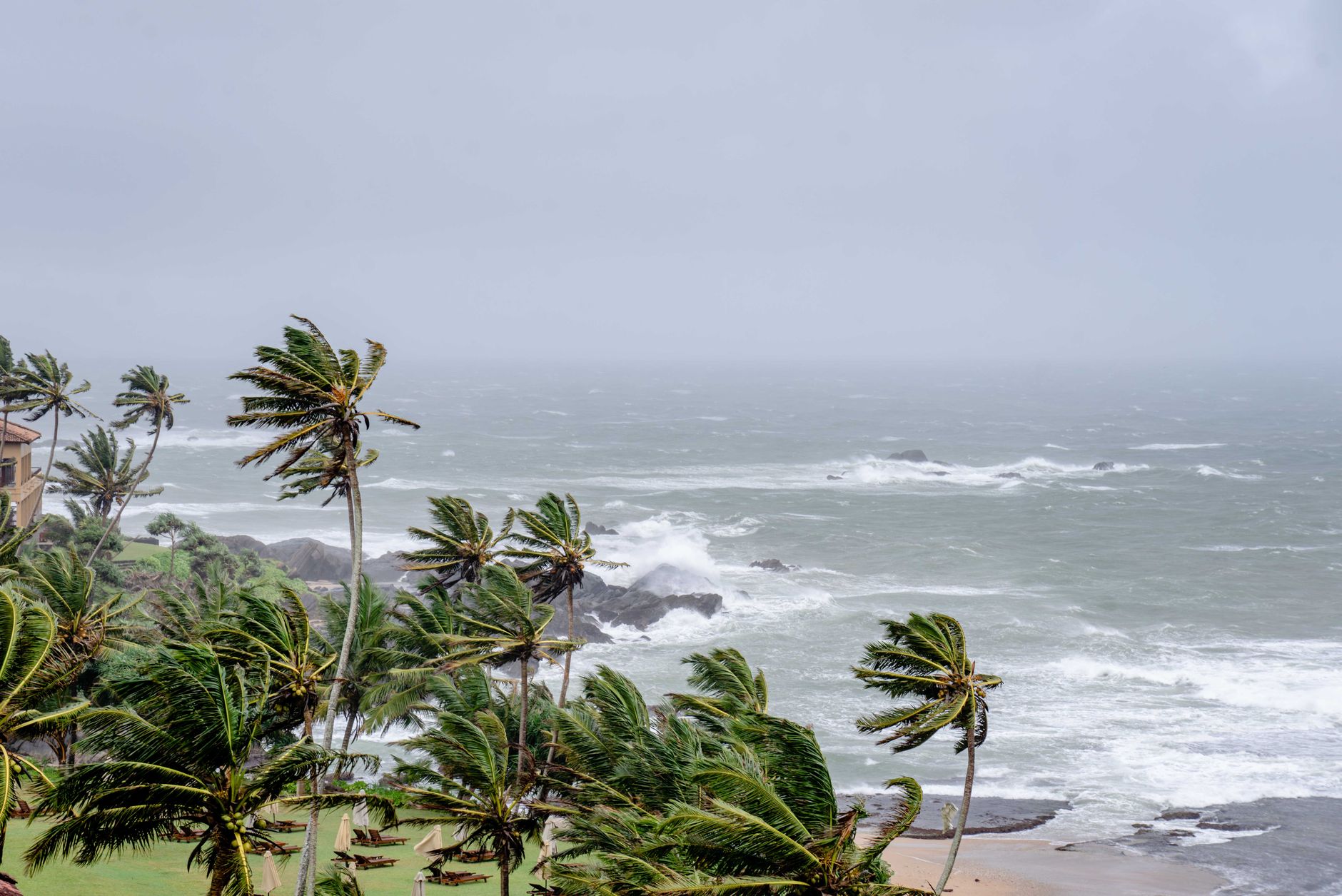
On the early morning of October 28, 2026, Cyclone Arnab crossed the Andhra Pradesh coastline near Narsapur, initially classified as a very severe cyclonic storm before weakening to a severe cyclonic storm after landfall, according to the India Meteorological Department (IMD). The storm surge, forecast at 1 to 1.5 metres for low‑lying areas, pushed seawater onto the Visakhapatnam coast and triggered flooding across several districts.
Human impact and immediate casualties
The cyclone’s high winds and falling trees resulted in several deaths and injuries. In Bhimavaram, West Godavari district, 46‑year‑old Chokka Kishore Kumar was killed when a tree collapsed on him around 12:30 a.m. The same morning, a newspaper delivery man named Rambabu suffered a critical head injury after an electric pole fell on his moped near a temple. In Anakapalli district, a 55‑year‑old woman died after stepping on an exposed live wire outside her home, while a 53‑year‑old man in Visakhapatnam district also died after contacting a snapped live wire in a field channel. These incidents underscore the secondary hazards that accompanied the storm’s arrival.
Authorities reported damage to approximately 180 houses, most of them in Konaseema district, and flooding in four wards of Visakhapatnam. More than 220 trees fell on state roads; over 170 of those have already been cleared, and officials continue to remove debris to restore traffic flow.
Infrastructure and transport disruptions
Railway operations were briefly affected when trees fell on tracks at ten locations. Railway Minister Ashwini Vaishnaw confirmed that all affected sections were cleared promptly and that train movements were being closely monitored. Nonetheless, several train services were cancelled or diverted. The Narasapur‑Tuticorin Special and the Narasapur‑Thiruvannamalai Express were cancelled, while other services such as the SMV Bengaluru‑Visakhapatnam Special and the Guntur‑Dhone Express were delayed. The Visakhapatnam‑Lokmanya Tilak Terminus Express was rerouted via Eluru instead of Gudivada.
Air travel also suffered. A total of 38 flights scheduled to arrive at or depart from Visakhapatnam Airport before 6:15 p.m. were cancelled, including international services to Bangkok and Abu Dhabi. IndiGo reported that its flights to and from Rajahmundry, Vijayawada and Visakhapatnam would remain affected throughout the day, urging passengers to verify their flight status.
Maritime activity was disrupted when the Marshall Islands‑flagged bulk carrier Sigma Pearl, operating near the Ravva oil field off the Konaseema‑Kakinada coast, became stranded after an alleged engine failure. The vessel, which had left Visakhapatnam shortly after midnight on October 27, sent its last known position on Tuesday morning and subsequently drifted out of tracking range. Local officials have not yet confirmed the number of crew members aboard or their condition.
Agricultural losses and relief measures
Preliminary estimates submitted by Andhra Pradesh’s chief minister, N. Chandrababu Naidu, indicate that the cyclone inundated or damaged paddy crops on roughly 70,900 hectares and horticultural crops on an additional 10,450 hectares. In response, the state government has turned 609 school campuses into relief shelters for displaced residents and mobilised more than 17,000 volunteers from the National Cadet Corps, National Service Scheme and Scouts to assist with rescue and distribution of essentials.
Naidu wrote to Union Home Minister Amit Shah, requesting the formation of a central assessment team to evaluate the damage once the state’s detailed report is ready. He also sought continued assistance from the National Disaster Response Force (NDRF) and other central agencies in the days ahead. In a teleconference with about 32,000 officials and field staff, the chief minister ordered the clearing of fallen trees and restoration of power within two hours where safety permitted, and urged officials to prepare early crop‑damage estimates.
Deputy Chief Minister and Jana Sena Party president K. Pawan Kalyan appealed to party workers to join government relief efforts, emphasizing the need to move people from low‑lying areas to shelters and to provide food, milk and other essentials.
Regional alerts and broader disruptions
Beyond Andhra Pradesh, the cyclone’s outer bands brought rainfall to neighboring states. Telangana placed four districts—Khammam, Bhadradri Kothagudem, Nalgonda and Suryapet—under orange alerts, indicating the likelihood of heavy to very heavy rain, while four additional districts received yellow alerts for lighter precipitation. In Jharkhand, authorities ordered the closure of schools in Ranchi, West Singhbhum, East Singhbhum and Simdega districts through October 29, citing the storm‑related rainfall.
Despite the extensive damage, Naidu reported that no additional loss of life had been recorded up to the time of his statement. He urged residents in affected areas to remain vigilant, follow official advisories and avoid unnecessary travel until the cyclone’s impact fully subsided.
The IMD indicated that sea conditions were expected to calm gradually as the system moved inland, but warned that residual rain could persist in coastal districts. As relief operations continue, the central and state governments are coordinating to assess the full extent of agricultural, infrastructural and human losses caused by Cyclone Arnab.






Be First to Comment