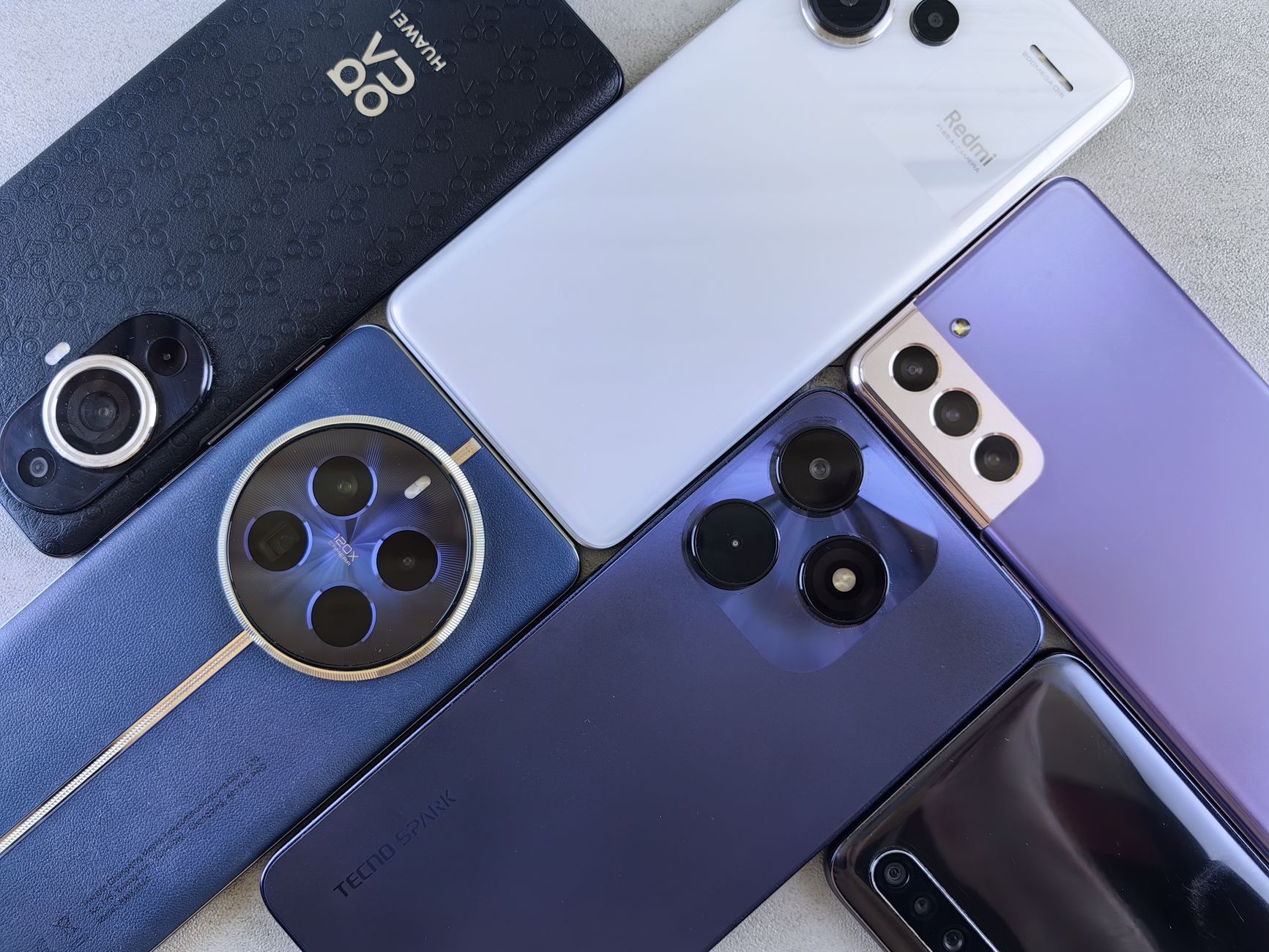
Vivo has introduced the X500 Pro Max, a flagship‑class smartphone that pushes its camera system even further while adding a suite of video‑centric features. The device arrives alongside a comparable offering from rival Oppo, but Vivo positions the X500 Pro Max as a distinct step up from its previous X300 series, especially in terms of imaging hardware and recording capabilities.
Camera hardware and sensor technology
The centerpiece of the new phone is a 50‑megapixel Sony Lytia sensor measuring 1/1.28 inch with an f/1.6 aperture. Vivo describes the sensor as delivering 17 stops of dynamic range thanks to its LOFIC (Light‑Overflow‑Filling‑Integrated‑Circuit) technology, which adds extra capacitors to each pixel to capture overflow light. A secondary 50‑megapixel ultra‑wide lens uses a 1/1.75‑inch sensor, while the telephoto module employs a 200‑megapixel 1/1.4‑inch periscope sensor capable of lossless 10× optical zoom.
Stabilisation is a major focus. The main sensor incorporates three‑degree gimbal‑grade optical image stabilization (OIS), a metric that quantifies the physical range of motion the hardware can counteract. The periscope telephoto lens carries a CIPA 7‑rated OIS system, which measures the effective anti‑shake performance in terms of exposure time. Both systems aim to minimise blur during handheld shooting, particularly in low‑light or high‑action scenarios.
Video‑first features and software tools
Vivo markets the X500 Pro Max as a video‑oriented device. Its “Pro Video Mode” permits users to load custom look‑up tables (LUTs) and view a real‑time preview of the colour grading. The phone also supports a log colour profile that integrates with the ACES workflow, a standard used by professional video editors. With the upgraded MediaTek Dimensity 9600 Pro processor, the device can record 4K video at up to 240 frames per second, double the 120 fps ceiling of the earlier X300 Ultra.
In on‑site testing, the recorded footage appeared exceptionally smooth, with little judder even without an external gimbal. Low‑light video showed reduced pulsing pixels and maintained focus stability, attributes the reviewer linked to the three‑degree OIS and the sensor’s high dynamic range. However, the phone does not offer an open‑gate recording mode, a feature present on Oppo’s Find X10 Pro Max.
Lens ecosystem and Zeiss partnership
The X500 Pro Max supports two Gen 2 teleconverter lenses co‑produced with Zeiss. The Gen 2 Telephoto Extender adds 2.35× magnification, while the Gen 2 Ultra Extender reaches 4.7× optical zoom on top of the 200 MP periscope sensor. These accessories attach via a cage‑style grip and require a compatible case and mounting plate. The reviewer noted that image quality with the lenses is comparable to the older X300 Ultra, reflecting the shared sensor hardware, but that AI‑driven processing can sometimes produce overly saturated or “Photoshop‑like” results, especially when using the telephoto attachments.
Design, display and power
Visually, the X500 Pro Max follows Vivo’s recent design language, featuring a dot‑matrix pattern on the rear glass that catches light. The phone houses a 6.85‑inch AMOLED panel with a 1440 × 3168 resolution, a 144 Hz refresh rate, Dolby Vision, HDR10+ support and a peak brightness claim of 4,500 nits. This display is marginally larger than the 6.82‑inch screen on the X300 Ultra but retains the same resolution.
Power is addressed with a 7,800 mAh battery in selected territories, an increase from the 6,600 mAh unit in the X300 Ultra. Vivo supplies a 90 W fast charger and includes bypass charging technology, allowing the battery to charge while the phone is engaged in demanding tasks such as gaming or high‑resolution video capture.
Software experience and market rollout
The device runs Vivo’s Origin OS 7 skin atop Android. Reviewers observed frequent unsolicited tips that interrupt basic navigation, as well as a proprietary V‑App Store that pushes bundled applications and advertisements, including promotions for ChatGPT. Pre‑installed apps cannot be fully removed, prompting users to reinstall preferred alternatives from Google Play. These software quirks were cited as a downside compared with the hardware strengths.
Vivo announced a global launch but limited availability to regions that previously received the X300 Ultra. The X500 Pro Max will be sold in Spain, Brazil, India, Austria, Italy, Singapore, Hong Kong and several other markets, but not in the United States or the United Kingdom. Pricing details were pending at the time of the launch event.
Overall, the X500 Pro Max represents Vivo’s most aggressive push into professional‑grade mobile videography while retaining a strong photographic suite. The combination of a large‑sensor main camera, high‑resolution periscope telephoto module, Zeiss‑branded lenses and 4K 240 fps recording positions the phone as a compelling option for creators who value video performance, even as software polish and AI processing remain areas for improvement.






Be First to Comment