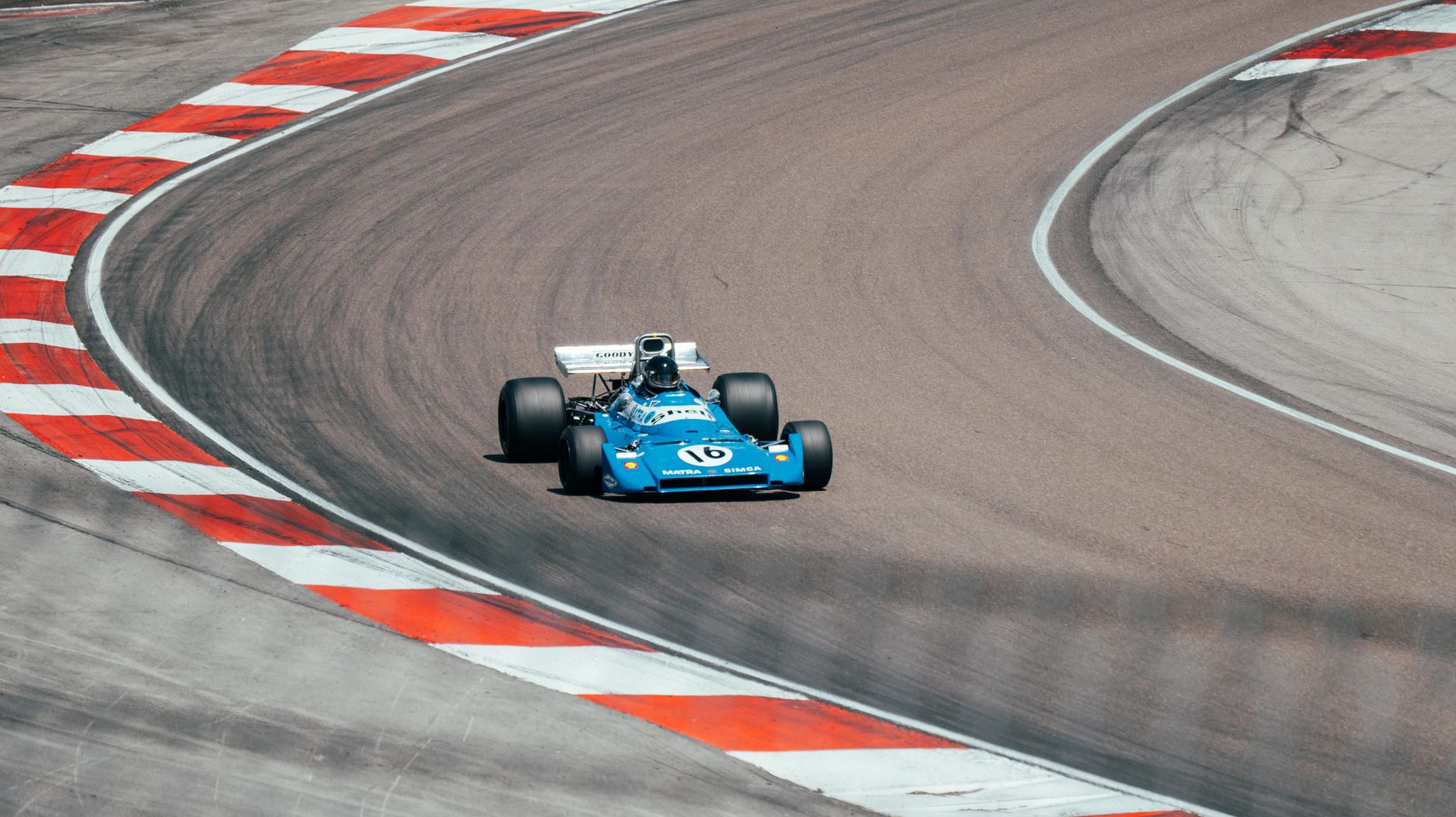
New Delhi – The Indian Grand Prix, held at the Buddh International Circuit from 2011 to 2013, vanished from the Formula 1 calendar after a protracted tax dispute. The race’s final edition saw Sebastian Vettel clinch his fourth world title and a third consecutive win at the venue, but the event was suspended in 2014 and has not returned since.
In 2026, the Sports Ministry announced the creation of a task force to re‑evaluate the prospect of hosting a Formula 1 round, aiming for a possible return by 2028. The panel, led by NITI Aayog official Yugal Kishore Joshi, will review the motorsport ecosystem, identify regulatory bottlenecks that plagued the earlier races, and assess the commercial viability of a new Grand Prix.
Why the original Grand Prix folded
The Buddh International Circuit, constructed in 2011 and designed by German engineer Hermann Tilke, hosted three Formula 1 races. The primary obstacle to continuity was the classification of the sport under Indian tax law. Authorities debated whether Formula 1 should be treated as a sport or as an entertainment business, a distinction that affected tax exemptions, customs duties, and the financial relationship between the race promoter and the sport’s commercial rights holder.
In 2017, India’s Supreme Court ruled that the commercial‑rights company of Formula 1 had a permanent establishment in the country, making income generated from Indian operations taxable. The decision complicated the fiscal landscape and forced Liberty Media, which acquired the sport’s commercial rights that same year, to allocate US$14.8 million to settle the tax liability.
Beyond the headline tax figure, the dispute encompassed customs duties on the specialised equipment teams transport, and the broader commercial structure of the event. The episode highlighted that hosting a global sporting spectacle requires more than a world‑class venue; it demands a regulatory framework that can accommodate cross‑border operations.
Government’s renewed push
Task‑force chair Yugal Kishore Joshi will be supported by insights from the Federation of Motor Sports Clubs of India (FMSCI). President Arindam Ghosh told Times of India that the panel will “look into the possibilities and advise on how to move forward,” learning from past challenges while identifying pathways for development.
Ghosh emphasized that motorsport’s global popularity has surged, particularly across Asia, making the timing “right” for India to reconsider its involvement. He noted that the domestic audience for Formula 1 has expanded dramatically: Formula 1 and FanCode reported 79 million Indian fans by late 2025, while F1 CEO Stefano Domenicali said the figure rose to 98 million in June 2026, an increase of 20 million in a single year.
The growing fan base, driven by digital platforms and streaming, presents a different commercial landscape than the one that existed in 2013. Nevertheless, Ghosh cautioned that a larger audience does not automatically guarantee a financially sustainable race. The government would still need to negotiate a viable commercial arrangement with Formula 1’s rights holder, secure sponsorship, and ensure that hosting fees, infrastructure upgrades, and logistical costs are manageable.
Infrastructure, ownership and logistical hurdles
The circuit itself remains in place, but its ownership has shifted. The original developer group entered insolvency proceedings, culminating in a purchase of its flagship company for approximately ₹14,535 crore by a new owner. While new ownership could open fresh opportunities, any revival would still require agreement with the sport’s commercial rights holder and compliance with FIA technical standards.
Import duties on race‑week equipment were another pain point during the earlier Grand Prix. Teams move highly specialised machinery that must clear customs quickly to meet the tight Formula 1 calendar. Ghosh said the ministry is now exploring a “single‑window clearance system” to streamline duties and reduce delays, suggesting that customs hurdles may no longer be a show‑stopper.
Beyond customs, the task force will examine broader policy areas, including taxation, operational clearances, and the development of a domestic racing ecosystem. Ghosh downplayed sponsorship as the main obstacle, arguing that improved economic conditions reduce the risk of a funding shortfall.
Should the task force’s recommendations be accepted, the FIA would conduct a technical inspection of the Buddh International Circuit to confirm compliance with current Formula 1 specifications. Any required upgrades would need to be funded, and a long‑term commercial model would have to be negotiated with Liberty Media or its successors.
While the prospect of a Formula 1 return promises economic benefits such as tourism growth and enhanced global standing, the path forward remains complex. The task force’s findings, due in the coming months, will determine whether India can align regulatory, financial, and infrastructural elements to host a Grand Prix that satisfies both the sport’s global standards and the nation’s fiscal realities.





Be First to Comment