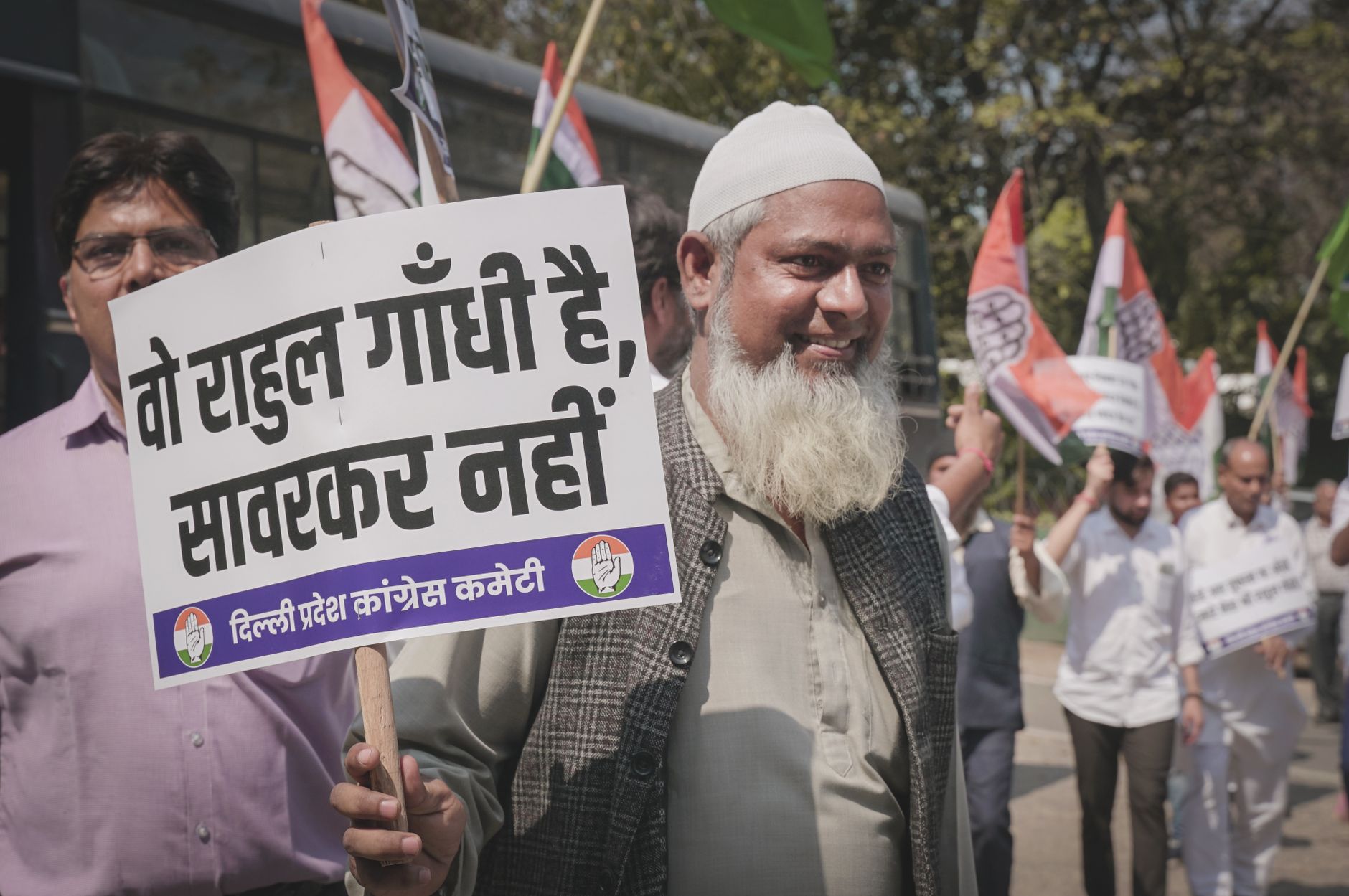
On October 30, 2026, senior Congress leader Rahul Gandhi told reporters that the opposition’s planned “public impeachment” of Chief Election Commissioner Gyanesh Kumar would be delayed by a day because of inclement weather. The decision, he said, was reached by consensus among senior leaders who did not want to expose participants to the rain‑soaked conditions that had turned the lawns of New Delhi into mud.
Postponement and rally plans
Gandhi announced that the impeachment event, originally slated for an earlier date, would now take place on October 31. He added that the opposition bloc, known as the INDIA bloc, would still move ahead with a large‑scale rally on November 1, 2026, at the historic Ramlila Maidan. The rally, described by Gandhi as a single, unified protest, is intended to demand the resignation of the chief election commissioner.
“This is not multiple protests, it is one protest on November 1,” Gandhi said, inviting participants from all walks of life, including students, civil‑society members and homemakers, to gather at the venue. He warned that Home Minister Amit Shah was “trying his best to stop people from coming to Delhi for the Nov. 1 rally,” specifically naming residents of Uttar Pradesh, Haryana, Rajasthan, Telangana and Punjab who might travel to the capital. “Now you watch what happens at Ramlila ground,” Gandhi added, noting “huge anger and emotional pain because large numbers are being disenfranchised.”
Other opposition figures echoed the message of unity. Rajya Sabha MP Derek O’Brien, representing Mamata Banerjee, told a press conference that the INDIA bloc was “united” and called on “students and civil society members to homemakers” to join the November 1 rally. Samajwadi Party leader Dharmendra Yadav, speaking after Gandhi, reiterated that the postponed public impeachment would occur around 3 p.m. on October 31, and highlighted the BJP’s recent loss of MLC seats in Uttar Pradesh as evidence of the opposition’s growing strength.
Security and logistical arrangements
Delhi Police have begun extensive preparations for the November 1 demonstration, which officials describe as the first major protest at Ramlila Maidan since the denotification of Jantar Mantar as a protest site on October 11. Over 3,000 police personnel will be deployed to the area, and more than 200 CCTV cameras—some equipped with artificial‑intelligence‑enabled surveillance—will be installed to monitor the crowd. The venue has been divided into 14 zones to facilitate orderly movement and crowd control.
Police officials indicated that the massive security presence reflects expectations of a large turnout. Estimates from the opposition suggest that up to one million (10 lakh) people could converge on the maidan on November 1, a figure that underscores the scale of the event and the logistical challenges it presents.
Economic concerns and venue shifts
The traders’ body CTI wrote to Congress matriarch Sonia Gandhi, warning that the rally could jeopardise wholesale and retail trade in central and old Delhi. The letter projected a potential loss of between ₹10,000 crore and ₹12,000 crore in business activity during the peak festive season if the gathering proceeds as planned.
Earlier in the planning process, the opposition explored several locations for the public impeachment. Initial proposals included the Ashok Hotel and Ramlila Maidan, but “hurdles over permissions” led to a change of venue. The Congress president’s official residence, identified in reports as Kharge’s residence, was ultimately selected for the October 31 event. After the weather‑related postponement, the impeachment is now set to be held on October 31 at the same residence.
Overall, the sequence of announcements on October 30 reflects a tightly coordinated effort by the INDIA bloc to maintain momentum despite weather setbacks and administrative obstacles. While the impeachment of the chief election commissioner has been delayed, the opposition remains focused on delivering a massive, single‑day protest at Ramlila Maidan on November 1, a demonstration that could test both the city’s security apparatus and its commercial activity during a critical period of the year.






Be First to Comment