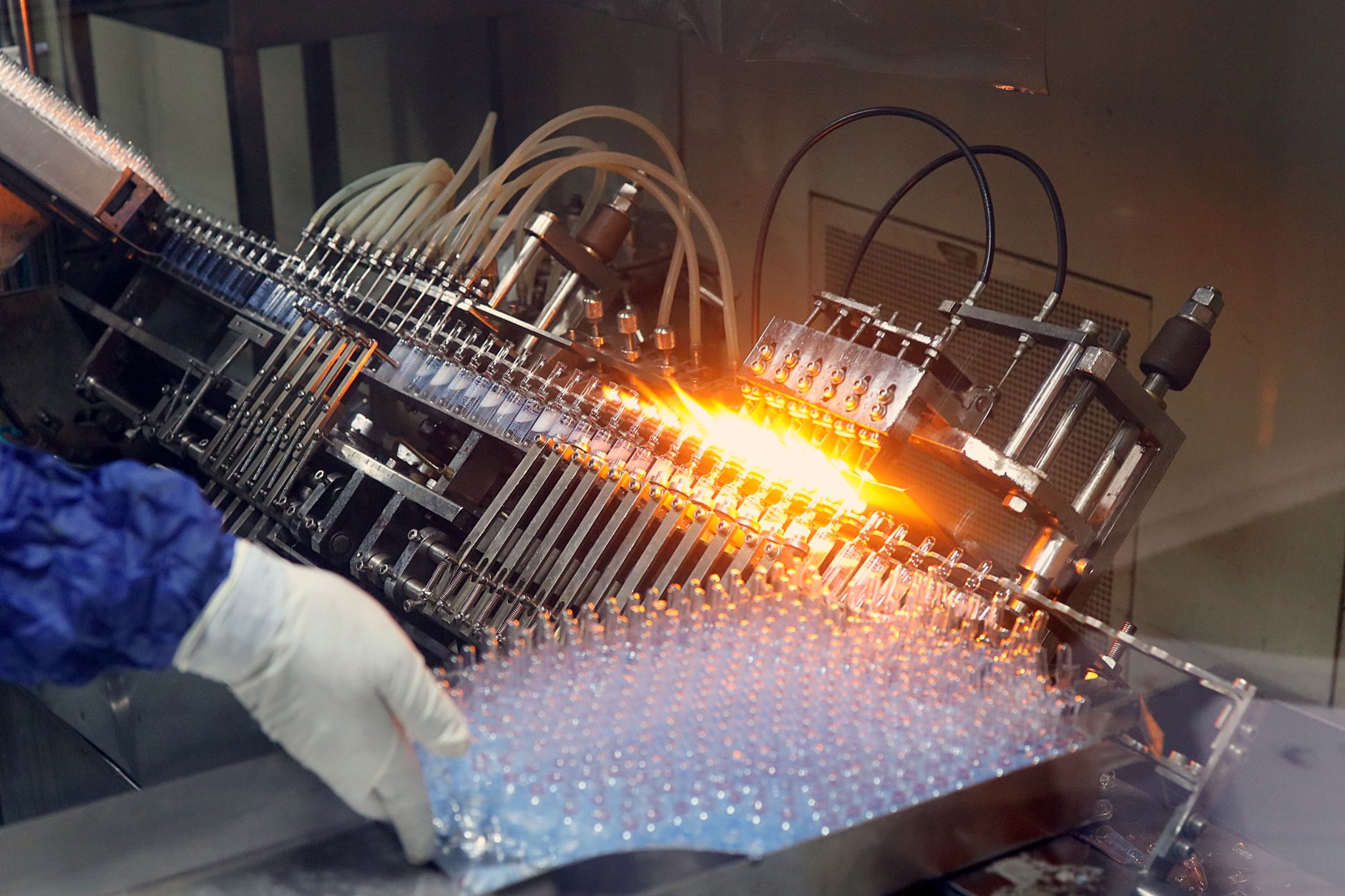
India’s top drug‑regulating bodies have ordered Sun Pharmaceutical Industries Ltd. to cease manufacturing, selling and distributing ophthalmic medicines at its Assam facility until a satisfactory compliance report is filed. The decision follows a joint inspection by the Central Drugs Standard Control Organisation (CDSCO) and the Drugs Controller Office of Assam that identified serious gaps in the plant’s quality‑management system.
Regulators impose shutdown after joint inspection
The shutdown order was issued on August 20, after inspectors from the federal and state agencies conducted a combined review of the Kokjhar‑village plant in Assam’s Kokjhar village. The agencies cited failures in the system designed to ensure product quality and safety. Earlier, on August 10, the regulators had issued a show‑cause notice demanding explanations for the identified deficiencies.
Sun Pharma had already begun a voluntary recall in July, withdrawing roughly 11 eye‑care brands as a precautionary measure. The recall covered 332 batches of ophthalmic suspension products – sterile liquids used to treat a range of eye conditions. The company’s internal notice to its stockists described the withdrawal as a “precautionary measure,” but did not confirm whether the recalled batches were contaminated.
Recall scope and safety concerns
Among the products listed in the recall were Lotepred 1 percent 5 ml eye drops, Nepalact OD eye drops, Nepalact‑Z, Brinzotim eye drops 5 ml and Depopred 2 ml. These formulations are typically prescribed for eye inflammation, infections and chronic ocular diseases. The recall notice did not specify whether the products were exported from India, nor were any adverse patient reports publicly disclosed.
Based on packaging information, Reuters determined that most of the recalled items originated from the Assam plant. Industry experts, speaking on condition of anonymity, estimated that the 332 batches could translate into hundreds of thousands of individual eye‑drop bottles, underscoring the potential scale of the issue.
In June, the All India Ophthalmological Society (AIOS) issued a patient‑safety advisory after some batches of Predmet eye drops were found to be contaminated. Santosh Honavar, a doctor and secretary of AIOS, told Reuters that infections had been reported in patients using the affected drops and that sealed bottles had been investigated and confirmed contaminated. Sun Pharma also recalled the Predmet drops, though it did not comment on the AIOS advisory.
Impact on Sun Pharma and the wider industry
Sun Pharma, the largest pharmaceutical company in India, had positioned the Assam facility as a future hub for sterile product manufacturing – a segment the firm identifies as a key global growth driver. Ophthalmology accounts for about 3 percent of the company’s domestic revenue, according to its 2025‑26 annual report, and represents a strategic market for the United States.
The regulator’s order means the plant cannot resume ophthalmic production until a compliance report satisfactory to the authorities is submitted. Sun Pharma has already provided such a report, which is currently under review by the CDSCO, according to an official who requested anonymity because they are not authorized to speak to the media.
The halt follows earlier regulatory scrutiny of Sun Pharma’s sterile manufacturing sites. In 2023, the U.S. Food and Drug Administration suspended shipments from the company’s Halol plant in Gujarat after inspectors raised concerns about contamination controls. The present action adds to a growing pattern of heightened oversight of Indian drug quality, driven in part by recent tragedies linked to locally produced cough syrups that caused child deaths in India, the Gambia and Uzbekistan.
Financially, Sun Pharma reported a decline in second‑quarter profit on October 30, a dip attributed to a one‑time charge related to its acquisition of the U.S. firm Organon. While the eye‑drop recall coincided with the profit dip, the company has not disclosed the direct financial impact of the recall or the shutdown.
Regulators have not issued a public health alert related to the recall, and the Indian drug authority declined to comment on the matter. The agency’s decision to stop production, however, signals a firm stance on compliance and patient safety, especially as the country’s pharmaceutical sector faces increasing scrutiny both domestically and abroad.
Sun Pharma’s website maintains that the company adheres to a single global quality standard, but the ongoing investigations and the requirement for a compliance report highlight the challenges the firm faces in meeting the expectations of regulators and healthcare professionals alike.






Be First to Comment