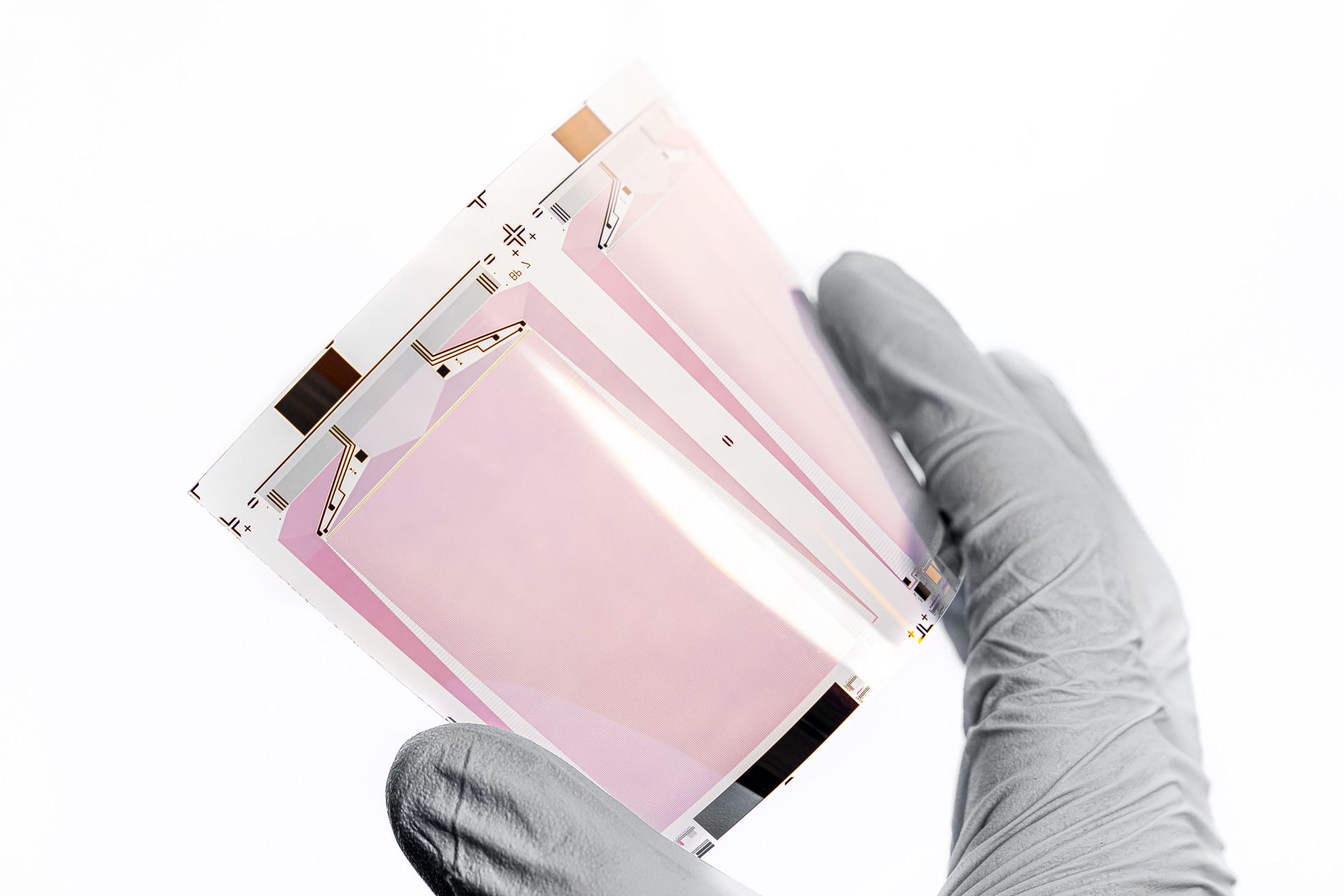
Apple’s product rollout this week has been dominated by OLED displays, with the company offering price cuts on its latest iPhone, unveiling a refreshed iPad mini that moves to an OLED panel, and introducing a touch‑enabled MacBook Pro that features a 120 Hz tandem OLED screen. While the newly announced iPhone Duo faced a rocky launch, the focus here is on the non‑folding devices that form the core of Apple’s current lineup.
iPhone 17 family and pricing shifts
The standard iPhone 17, positioned as the current flagship after the iPhone Duo, is now available with a €180 discount on the base 256 GB configuration. The model retains a 6.3‑inch display and a 48 MP ultra‑wide camera with a 120° field of view. Upgrading to the 512 GB variant is described as “crazy expensive,” indicating a steep price jump beyond the discounted base model. Apple also offers the iPhone Air, built on the same generation as the iPhone 17 but with a larger 6.5‑inch screen. The Air is thinner at 5.6 mm compared with the 8 mm thickness of the standard model, and it weighs 165 g versus 177 g, though it is roughly 3 mm wider (74.7 mm vs. 71.5 mm). Its 3,149 mAh battery yields an active‑use score of 12 hours 44 minutes, short of the 14 hours 59 minutes recorded for the vanilla iPhone 17.
Performance‑wise, the iPhone Air runs a variant of the Apple A19 Pro chipset, delivering marginally higher benchmark numbers than the vanilla phone in some tests. Camera hardware differs as well: the Air carries a single 48 MP wide‑angle sensor (1/1.56‑inch), while the iPhone 17 adds a 48 MP ultra‑wide module. Because the Air’s starting price is lower, especially when larger storage capacities are needed, consumers are encouraged to weigh screen size against one‑handed usability and cost.
Apple’s higher‑end offering, the iPhone 17 Pro, adds several upgrades over the vanilla model. It features a full A19 Pro chipset with a six‑core GPU (the Air’s version uses a five‑core GPU), increased RAM, and a 48 MP telephoto lens offering 4× optical zoom at a 100 mm focal length. Pro‑grade video tools are also included. The subsequent iPhone 18 Pro brings relatively modest changes, the most notable being the shift to the newer A20 Pro chipset. Pricing for the iPhone 18 Pro and its larger counterpart, the iPhone 18 Pro Max, remains at MSRP, with only a €70 discount on the 512 GB Pro model.
For users who prefer a larger display, the iPhone 17 Pro Max retains a 6.9‑inch screen, offering a size bump over the 6.3‑inch iPhone 17. The iPhone 18 Pro Max is portrayed as a more substantial upgrade over the 2025 model, potentially justifying its higher price tag for buyers seeking the latest performance and camera improvements.
iPad mini moves to OLED and gains a nano‑texture option
The iPad mini receives its first OLED display after a two‑year gap since the previous generation. The new 8.5‑inch panel replaces the older 8.3‑inch LCD and introduces an optional nano‑texture glass finish, which adds to the cost. Early Geekbench results show the mini’s Apple A20 Pro chipset paired with 12 GB of RAM outperforms the iPad Pro’s single‑threaded performance by about 8 percent, though the Pro’s greater core count leads to a 53 percent advantage in multi‑threaded tests. The iPad Pro’s advantage stems from its M5 chips, while the Air tablets, powered by M4, trail behind both the new mini and the Pro in benchmark scores.
The legacy 2024 iPad mini remains on sale at a lower price point. Compared with the refreshed model, the older version is thicker (6.3 mm vs. 5.4 mm), heavier (293 g vs. 255 g), and houses a slightly larger 5,078 mAh battery versus the new mini’s 4,900 mAh. The chipset difference is notable: the refreshed mini uses a 2 nm A20 Pro processor, while the 2024 version relies on a 3 nm A17 Pro. Both devices retain a 60 Hz refresh rate, meaning the OLED panel does not provide a higher frame rate. Water resistance also changes; the 2026 mini carries an IP67 rating, whereas the 2024 model lacks an official rating.
Apple’s iPad Air line, introduced earlier in the year, continues to be priced lower than the new iPad mini. The 11‑inch Air uses an IPS LCD panel with a 60 Hz refresh rate, offering a contrast to the OLED‑based mini while still delivering a larger display at a more affordable price point.
MacBook Pro debuts touch‑enabled PROLED XDR display
The most striking addition to Apple’s hardware portfolio is the new MacBook Pro equipped with a PROLED XDR display. This marks the first OLED screen on a MacBook, featuring a 120 Hz tandem OLED panel that also supports touch input—an industry first for the laptop line. The traditional notch is removed in favor of a Dynamic Island, and the front housing now contains only a camera, with no Face ID sensor. Powered by M5 Pro and M5 Max processors, the touch‑enabled MacBook Pro models weigh 200‑300 g less than comparable non‑touch MacBook Pros, though they command a higher price.
Apple’s promotional language highlights the combination of OLED visual quality, touch capability, and reduced weight as a compelling upgrade for professional users. While the exact pricing details are not disclosed, the narrative suggests that the performance gains from the M5 Pro/Max silicon, along with the novel display technology, are intended to justify the premium cost.
Overall, Apple’s current announcements underscore a strategic emphasis on OLED technology across its flagship devices, from smartphones to tablets and laptops. The modest discount on the base iPhone 17 model provides a rare price incentive, while the iPad mini’s transition to OLED and the MacBook Pro’s touch‑enabled screen signal a broader push to differentiate Apple’s hardware through display innovation.
Readers should note that the article may contain affiliate links, and Apple could earn a commission from qualifying sales.






Be First to Comment