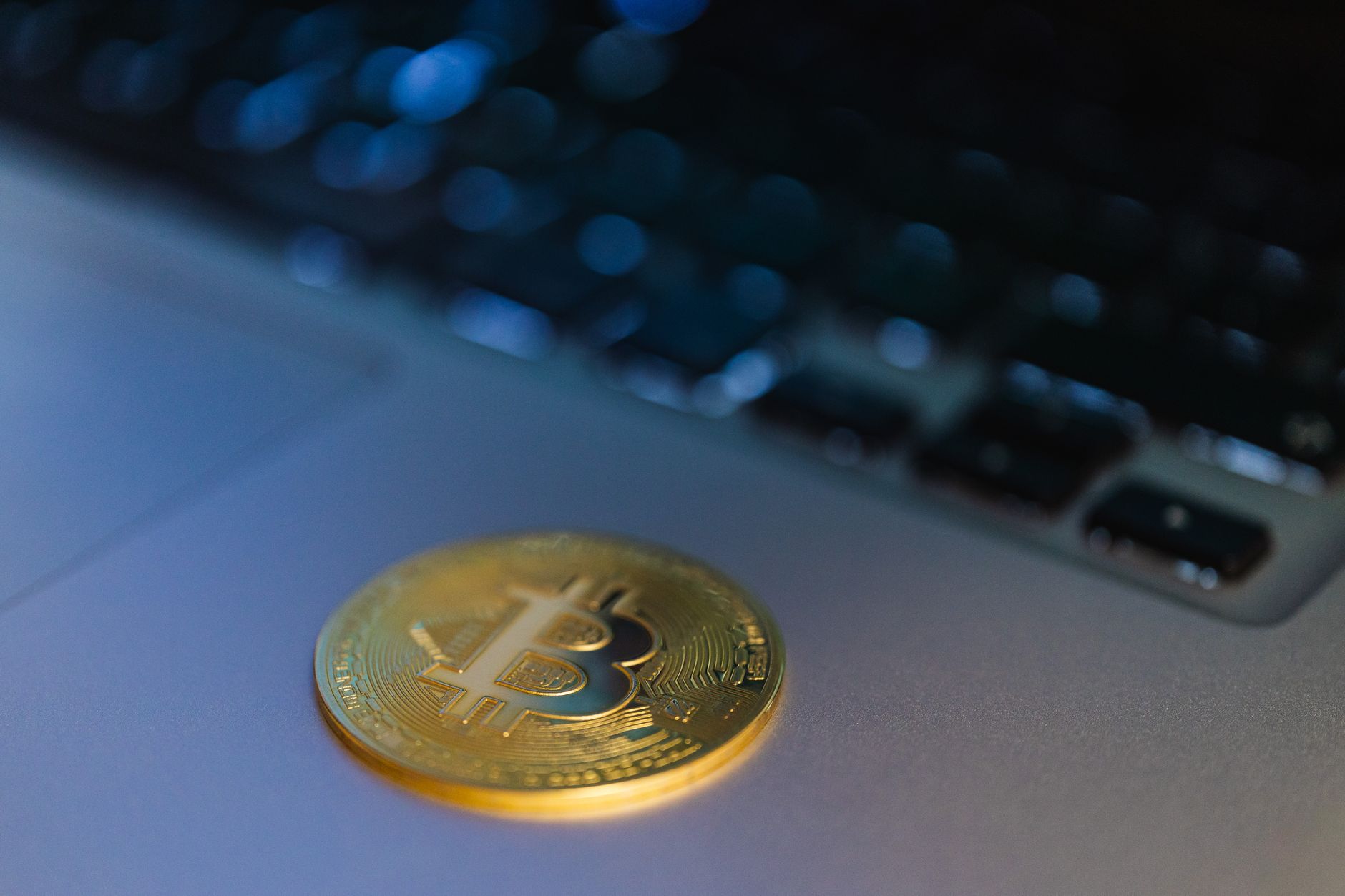
In a rapid 20‑minute operation, hackers succeeded in moving more than $6.3 billion out of Binance, the world’s largest cryptocurrency exchange. The incident, which targeted wallets on multiple blockchains, has prompted Binance to pledge compensation through its Secure Asset Fund for Users (SAFU) and its own treasury, while also confirming that no private keys were found to be compromised.
How the Binance breach unfolded
According to Binance’s internal investigation, the attackers may have gained access to a DevOps engineer’s laptop and used that foothold to manipulate the exchange’s signing infrastructure. Crypto withdrawals on the platform rely on a cryptographic signature generated by private keys stored in hot wallets—online wallets that enable fast transactions. By mimicking legitimate transaction requests, the perpetrators were able to authorize transfers without actually stealing the private keys that protect the wallets.
Binance has emphasized that its investigation is ongoing, but it has so far found no evidence that the underlying private keys were leaked. The exchange has also said it will cover the full loss using its emergency insurance reserve, SAFU, and additional treasury funds.
Crypto thefts on a rising trajectory
The Binance incident is part of a broader pattern of high‑value cyberattacks on centralized crypto platforms. In 2025, attackers stole roughly $1.5 billion from the Bybit exchange, setting a record for a single crypto theft at the time. The following year, WazirX suffered a breach that left it short of more than $230 million in crypto assets. A report from security firm CertiK estimates that over $1.31 billion was lost across 344 incidents in the first half of 2026 alone.
One driver of these large‑scale losses is the concentration of assets on a few exchanges. Binance’s own holdings illustrate this trend: in November 2022 the platform stored about 582,486 BTC, valued at approximately $9.43 billion, and by February 2026 that figure had risen to roughly 639,588 BTC—worth more than $50 billion at prevailing prices. Such concentrations make a single exchange an attractive target, offering attackers access to billions of dollars with one successful intrusion.
Emerging tools and persistent gaps in defense
Analysts point to two intersecting forces that have amplified the threat landscape. First, the rapid advancement of artificial intelligence has given malicious actors new capabilities for automating reconnaissance, crafting convincing phishing campaigns, and developing malware. Google has documented the use of AI by threat actors for these purposes, and research from TRM Labs indicates a substantial rise in AI‑driven scams and social‑engineering attacks within the crypto sector.
Second, many organizations remain under‑prepared for sophisticated attacks. A 2026 survey by cybersecurity firm Sygnia found that 83 % of respondents in the crypto and decentralized‑finance sectors had experienced a cyberattack in the previous twelve months. Moreover, 73 % of security leaders said their organizations would not be fully ready to respond to a major breach.
State‑linked actors also play a significant role. North Korea‑affiliated groups were responsible for about 63 % of the value stolen in crypto hacks in 2025, and they have taken an estimated $12.8 billion in crypto assets since 2017.
These findings suggest that the problem is not solely the increasing technical skill of attackers, but also the lingering weaknesses in exchange security architectures, transaction approval processes, and internal access controls.
Implications for investors and the path forward
Each high‑profile breach reinforces a fundamental distinction in the crypto world: owning a digital asset does not automatically mean controlling the private keys that secure it. When users keep their holdings on an exchange, they entrust the platform’s systems, employees, and safeguards with their assets. While this arrangement offers convenience for frequent trading, it also concentrates risk.
Security experts recommend that long‑term holders move assets to self‑custody solutions, such as cold hardware wallets that store private keys offline. By keeping the bulk of their holdings in a device that is never connected to the internet, users can reduce exposure to exchange‑level failures. They can then transfer only the amount needed for active trading.
Even with self‑custody, risk cannot be eliminated entirely. Users may still approve malicious transactions inadvertently, and smart contracts that have passed security audits can interact with compromised systems. Nonetheless, adopting a layered approach—combining exchange use for liquidity with offline storage for long‑term holdings—aims to ensure that a single compromised link does not jeopardize an entire portfolio.
Industry observers note that repeated breaches could drive exchanges to adopt stronger safeguards, such as multi‑signature wallets, stricter access controls, and more robust monitoring. Over time, these improvements may make the ecosystem less dependent on a handful of centralized platforms and more resilient to future attacks.
For retail investors, the immediate takeaway is to understand where their crypto resides and who controls the associated private keys. A modest investment in a reputable hardware wallet can provide an additional layer of protection, even though it does not guarantee absolute safety.






Be First to Comment